
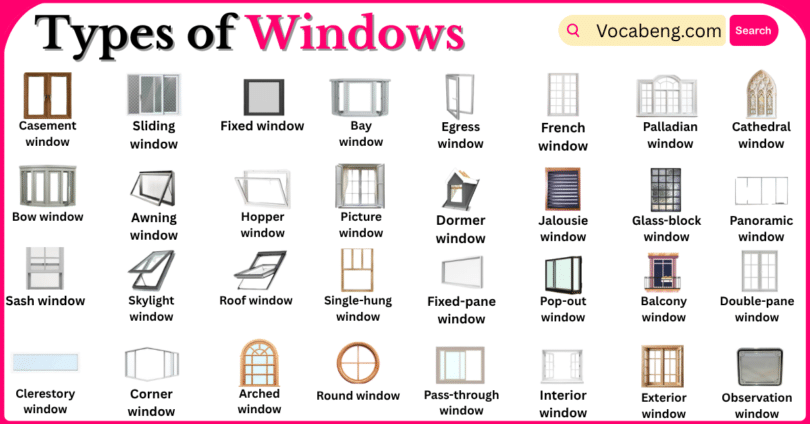

Windows are important parts of homes, offices, and other buildings, providing natural light, fresh air, ventilation, and outdoor views. They come in many styles, including casement, sliding, bay, bow, awning, and double-hung windows, each designed for different spaces and purposes. Learning the names of different types of windows is a useful way to improve your English vocabulary while understanding common building and home design terms. In this article, you will learn types of windows in English with clear pictures, helping kids, students, teachers, homeowners, builders, and English learners easily identify, remember, and use these window names with confidence.
List of Windows with Names in English
- Casement window
- Sliding window
- Fixed window
- Bay window
- Bow window
- Awning window
- Hopper window
- Double-hung window
- Single-hung window
- Picture window
- Sash window
- Skylight window
- Roof window
- Clerestory window
- Corner window
- Arched window
- Round window
- Oval window
- Louvered window
- Tilt-and-turn window
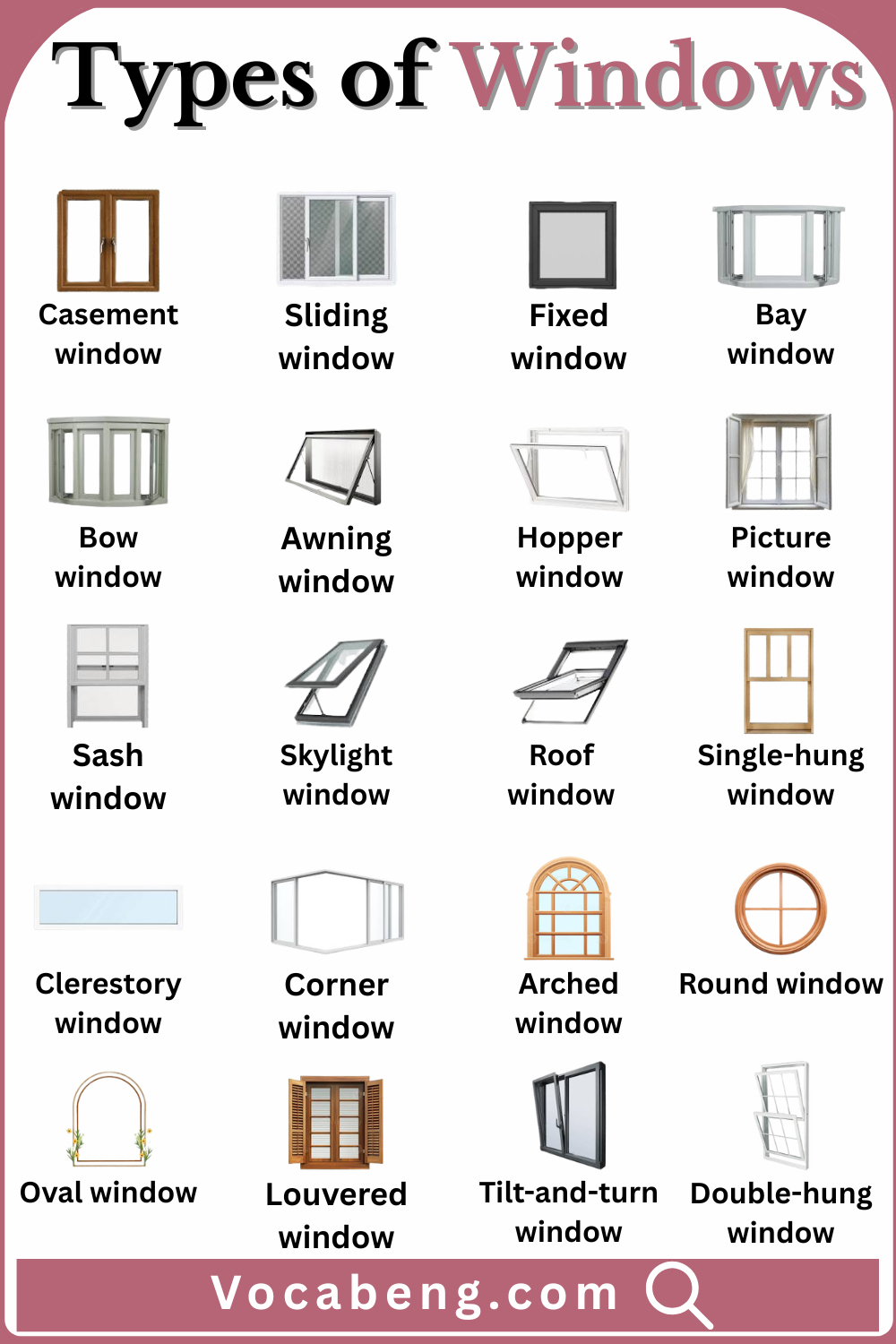
20 Types of Windows with Names with their Pictures
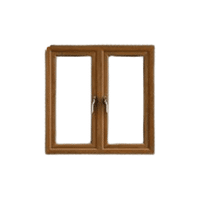
- Casement window
A window hinged on one side that opens outward using a handle or crank, allowing full ventilation, clear views, and an airtight seal when closed.
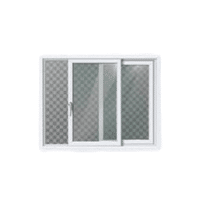
- Sliding window
A window that opens by sliding horizontally along tracks, offering easy operation, space-saving design, and good airflow, commonly used in modern homes.
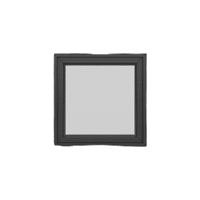
- Fixed window
A non-opening window designed only to let in light and provide views, offering excellent insulation and often used where ventilation is not required.
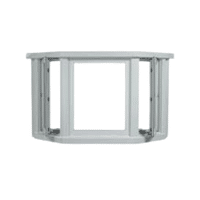
- Bay window
A window structure that projects outward from a wall, usually with three panels, creating extra interior space and allowing more natural light inside.
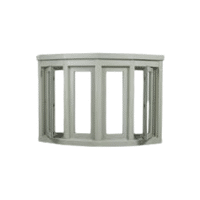
- Bow window
A curved window made of four or more connected panels, extending outward to form a gentle arc and providing wide views and increased daylight.
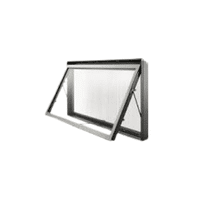
- Awning window
A top-hinged window that opens outward from the bottom, allowing ventilation even during light rain while keeping water from entering.
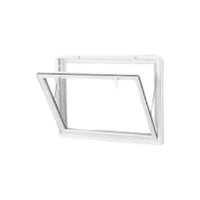
- Hopper window
A bottom-hinged window that opens inward from the top, commonly used in basements to provide ventilation while maintaining security and compact space use.
- Double-hung window
A window with two movable sashes that slide vertically, allowing ventilation from the top, bottom, or both for flexible airflow control.
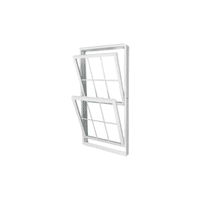
- Single-hung window
A window where only the lower sash moves vertically while the upper sash remains fixed, offering simple design and controlled ventilation.
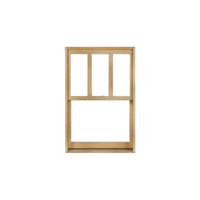
- Picture window
A large fixed window designed to frame outdoor views, providing maximum natural light without opening for ventilation.
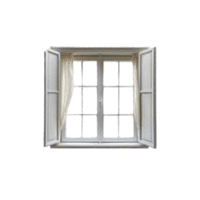
- Sash window
A traditional window with one or more movable panels set in frames, usually sliding vertically, commonly seen in classic and older architectural styles.
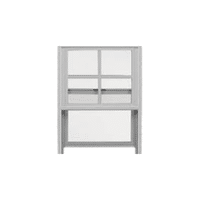
- Skylight window
A window installed in the ceiling or roof to bring natural daylight into interior spaces, brightening rooms without wall openings.
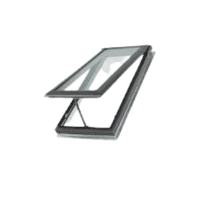
- Roof window
A window installed directly into the roof slope, designed to open for ventilation and commonly used in attics or loft spaces.
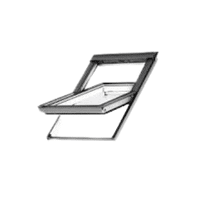
- Clerestory window
A high-positioned window near the roofline that allows light to enter while maintaining privacy and improving air circulation.
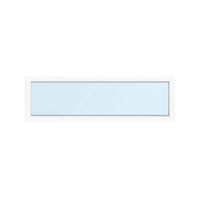
- Corner window
A window placed at the corner of a building, meeting two walls, offering panoramic views and increased natural light from multiple directions.
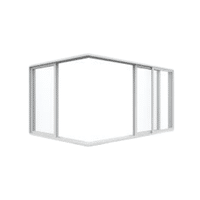
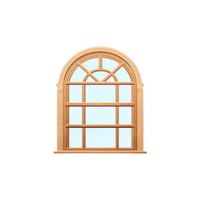
- Arched window
A window with a curved or rounded top, adding decorative architectural style while allowing light and visual appeal.
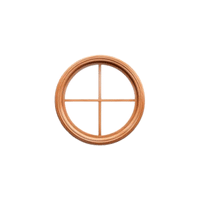
- Round window
A circular-shaped window used mainly for decorative purposes, adding character and allowing focused natural light into a space.
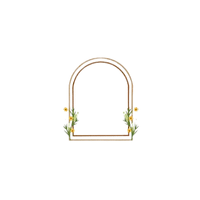
- Oval window
A window with an oval shape, often decorative, providing soft design appeal and moderate natural lighting.
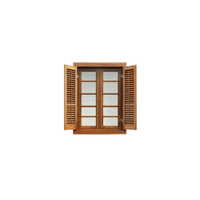
- Louvered window
A window made of horizontal slats that can be tilted open or closed, allowing airflow while controlling light and privacy.
- Tilt-and-turn window
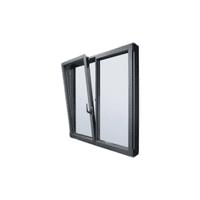
A versatile window that can tilt inward for ventilation or swing open like a door, offering easy cleaning and flexible airflow control.
20 Types of Windows with Names with their Pictures
Common Types of Windows Name
- Pivot window
- Garden window
- Transom window
- Storm window
- Egress window
- French window
- Palladian window
- Cathedral window
- Dormer window
- Jalousie window
- Glass-block window
- Panoramic window
- Floor-to-ceiling window
- Ribbon window
- Soundproof window
- Energy-efficient window
- Smart window
- Solar window
- Thermal window
- Ventilated window
Most Common Types of Windows with Names with images
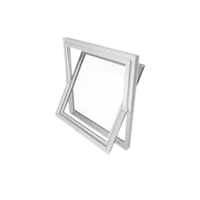
- Pivot window
A window that rotates on a central vertical or horizontal axis, allowing smooth opening, easy cleaning, and controlled ventilation with a modern, minimal design.
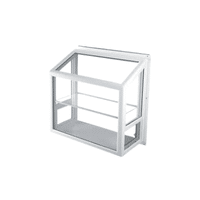
- Garden window
A box-style window that projects outward, creating a small shelf area, often used for plants, while allowing extra sunlight and ventilation into kitchens.
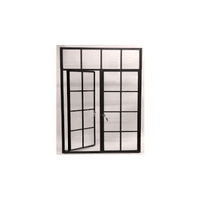
- Transom window
A small window placed above doors or larger windows, used to bring in light, improve airflow, and add decorative architectural detail.
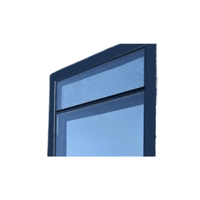
- Storm window
An additional exterior or interior window installed over an existing one, designed to improve insulation, reduce drafts, and protect against harsh weather.
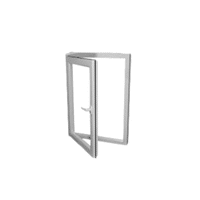
- Egress window
A window large enough to serve as an emergency exit, commonly required in bedrooms and basements for safety and building code compliance.
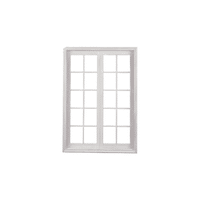
- French window
A pair of tall windows that open inward or outward like doors, usually reaching the floor, allowing maximum light, ventilation, and outdoor access.
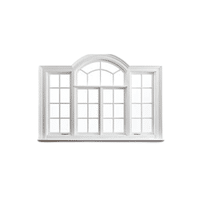
- Palladian window
A large central arched window flanked by two smaller rectangular windows, inspired by classical architecture and used for elegant visual appeal.
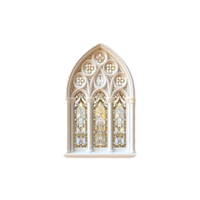
- Cathedral window
A tall, decorative window often found in churches or large halls, designed to enhance vertical space and bring in abundant natural light.
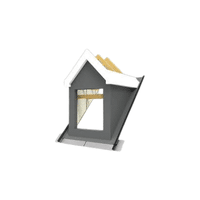
- Dormer window
A window set into a roof extension, adding headroom, ventilation, and daylight to attic or loft spaces.
- Jalousie window
A window made of horizontal glass slats that open together, allowing airflow while offering partial protection from rain and sun.

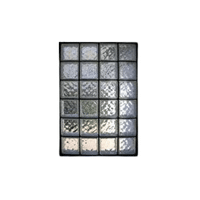
- Glass-block window
A window constructed from thick glass blocks, providing natural light while maintaining privacy and improved insulation.
- Panoramic window
A wide window designed to offer uninterrupted outdoor views, allowing abundant daylight and enhancing the visual connection with surroundings.
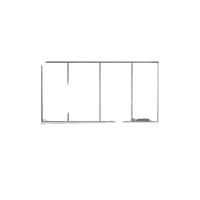
- Floor-to-ceiling window
A tall window extending from floor to ceiling, maximizing natural light, views, and creating a modern, open interior feel.
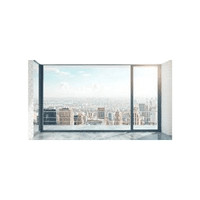
- Ribbon window
A long horizontal window band running across a wall, commonly used in modern architecture to provide continuous light and views.
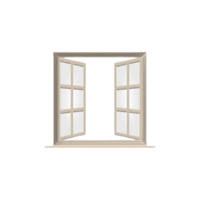
- Soundproof window
A specially designed window using multiple glass layers to reduce outside noise and improve indoor acoustic comfort.
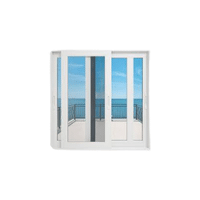
- Energy-efficient window
A window built with insulated glass and sealed frames to reduce heat loss, lower energy bills, and maintain indoor temperature.
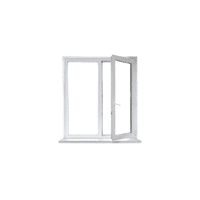
- Smart window
A modern window that can adjust tint or transparency electronically, helping control light, heat, and privacy automatically.
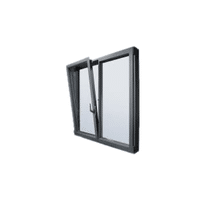
- Solar window
A window integrated with solar technology, capable of generating electricity while still allowing light to pass through.
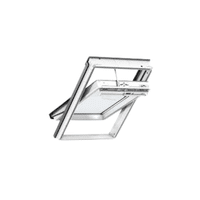
- Thermal window
A window designed with insulated glazing to prevent heat transfer, keeping interiors warmer in winter and cooler in summer.
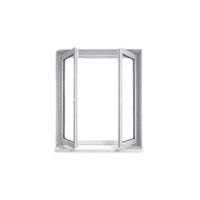
- Ventilated window
A window designed to promote continuous air circulation, improving indoor air quality while maintaining comfort and moisture control.
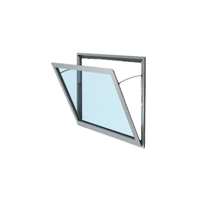
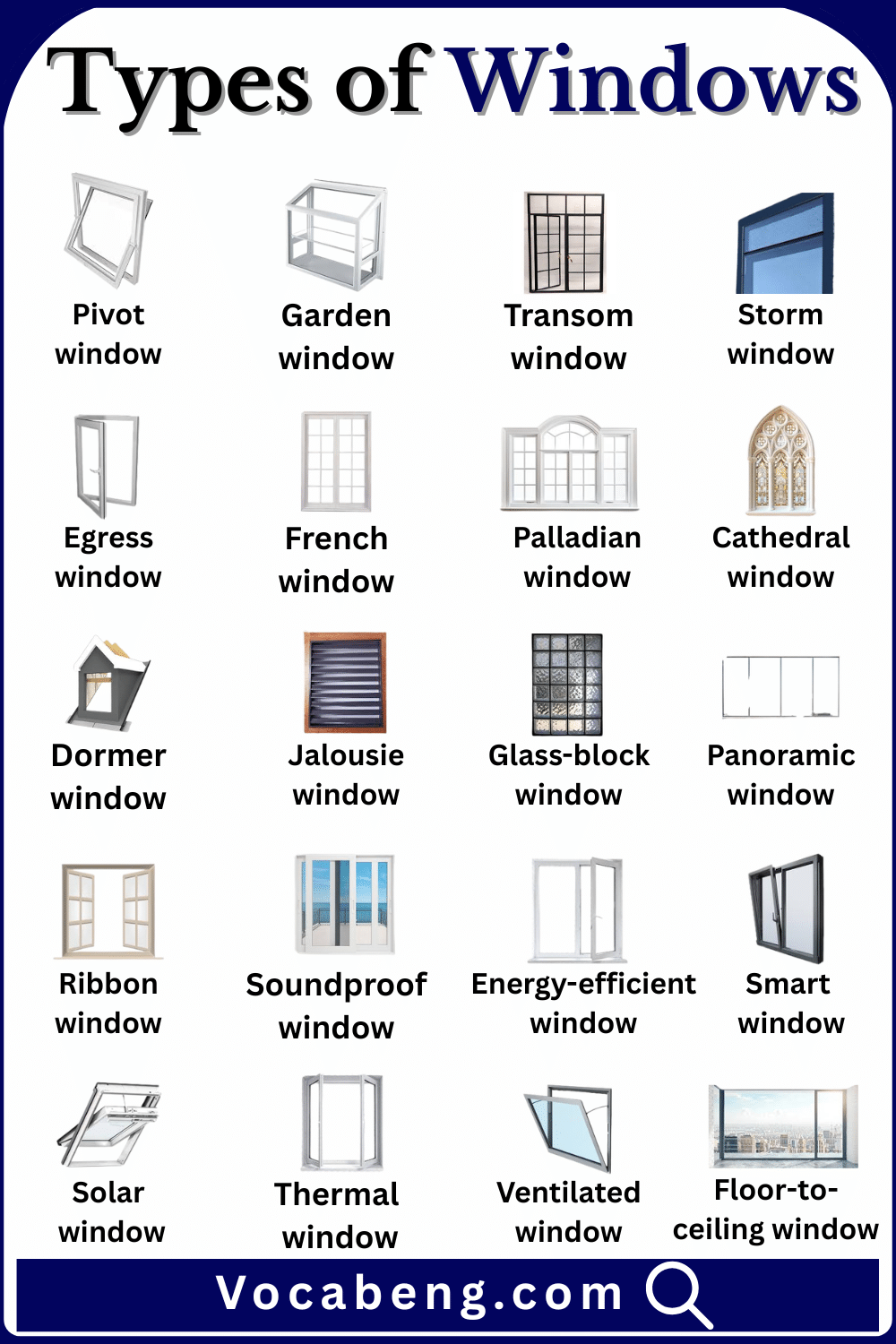
Most Common Types of Windows with Names with images
Learn Windows and their name in English
- Tinted window
- Frosted window
- Stained-glass window
- Aluminum window
- Wooden window
- Vinyl window
- Steel window
- Composite window
- Triple-pane window
- Double-pane window
- Fixed-pane window
- Pop-out window
- Balcony window
- Pass-through window
- Interior window
- Exterior window
- Observation window
- Display window
- Shopfront window
- Viewing window
Different Type of Windows with Name and images
- Tinted window
A window treated with colored film or glass to reduce glare, control sunlight, improve privacy, and help limit heat entering indoor spaces.

- Frosted window
A window with a textured or treated surface that blurs visibility, allowing light to pass while maintaining privacy in bathrooms and offices.
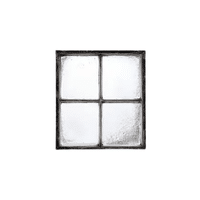
- Stained-glass window
A decorative window made of colored glass pieces, often forming patterns or images, commonly used in churches and historic buildings.

- Aluminum window
A window framed with aluminum, known for strength, slim profiles, low maintenance, and resistance to rust and weather damage.
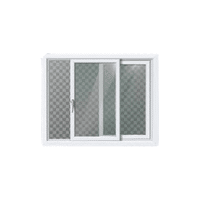
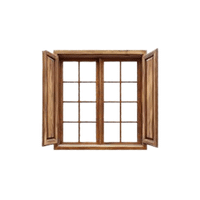
- Wooden window
A window with a wood frame, valued for natural beauty, insulation, and traditional style, requiring regular maintenance for durability.
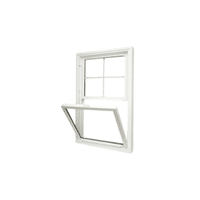
- Vinyl window
A window framed with PVC material, offering good insulation, affordability, low maintenance, and resistance to moisture and decay.
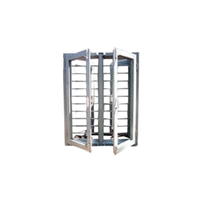
- Steel window
A window using steel frames, providing high strength, slim sightlines, and durability, often used in industrial or modern architectural designs.
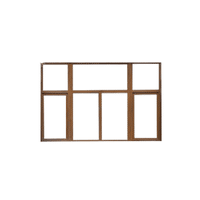
- Composite window
A window made from combined materials like wood and plastic, designed to improve strength, insulation, and long-term performance.
- Triple-pane window
A window with three layers of glass, offering superior insulation, noise reduction, and energy efficiency compared to standard glazing.
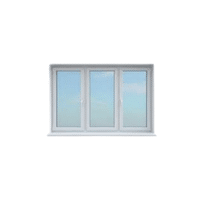
- Double-pane window
A window with two layers of glass separated by air or gas, improving insulation, reducing noise, and increasing energy efficiency.
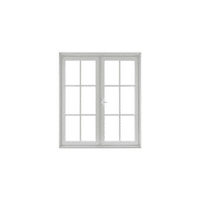
- Fixed-pane window
A non-opening window pane designed only for light and views, offering better insulation and weather resistance.
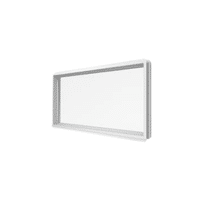
- Pop-out window
A window that slightly projects outward when opened, creating extra airflow and interior space without large structural changes.
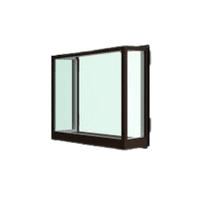
- Balcony window
A window opening onto a balcony, often large or door-like, allowing access, fresh air, and natural light.
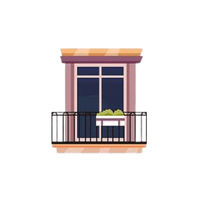
- Pass-through window
A small window used to pass items between rooms, commonly found between kitchens and dining or outdoor areas.
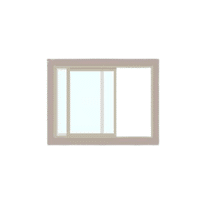
- Interior window
A window installed between indoor spaces to share light, visibility, or airflow while maintaining separation.
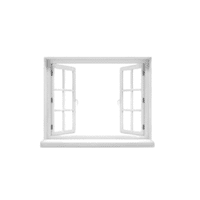
- Exterior window
A window installed on the outside wall of a building, allowing light, ventilation, and views while protecting from weather.
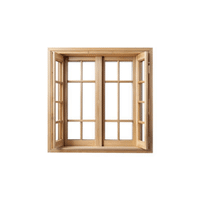
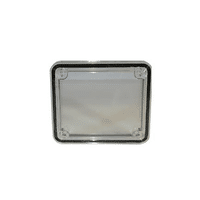
- Observation window
A window designed for viewing activities in another room, commonly used in labs, studios, or control rooms.
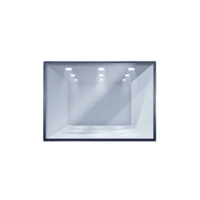
- Display window
A large front-facing window used to showcase products, commonly seen in retail stores to attract customers.
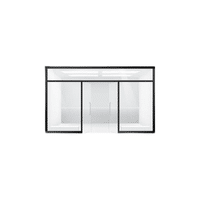
- Shopfront window
A large exterior window forming the front of a shop, designed to display merchandise and allow visibility from the street.
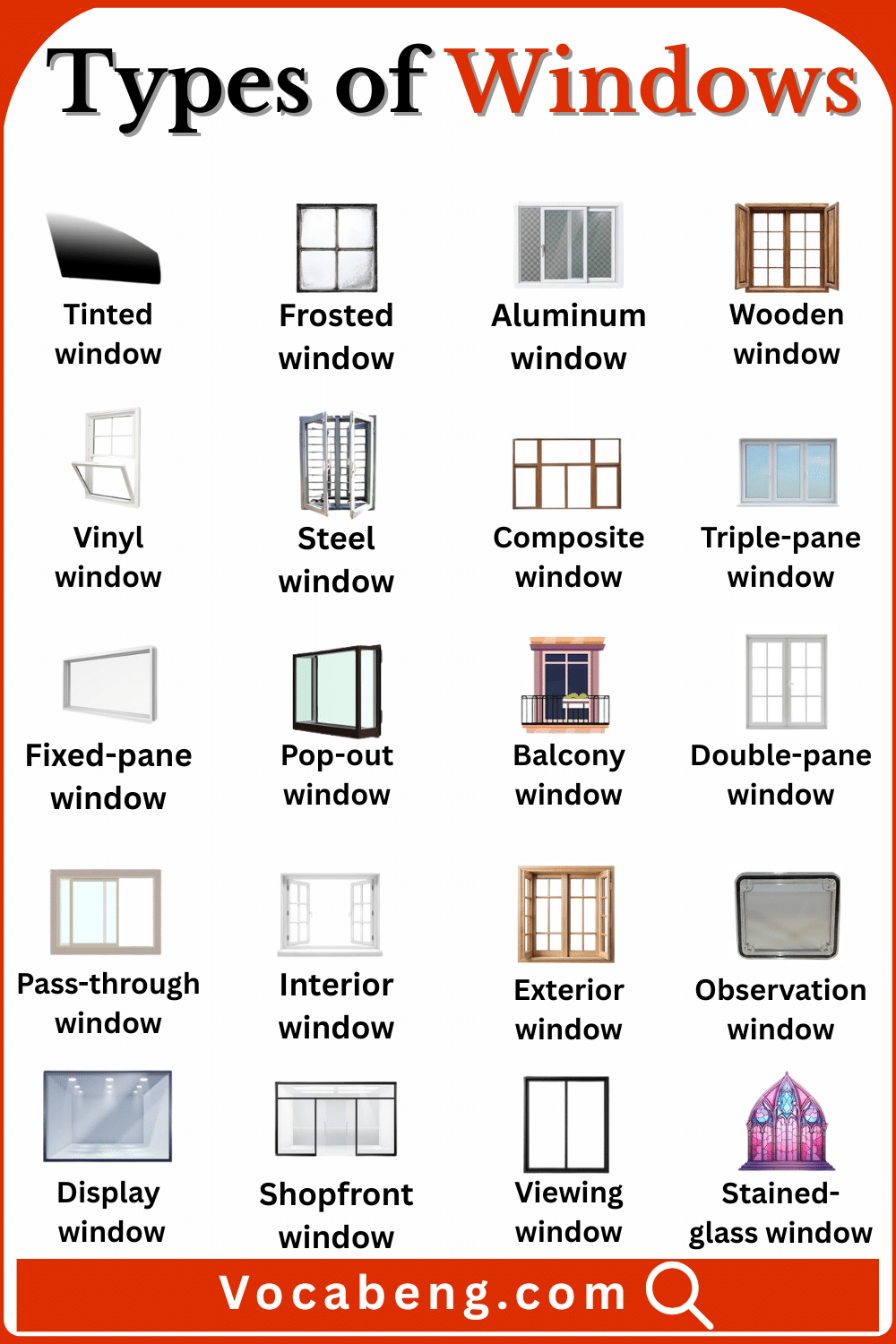
- Viewing window
A window specifically placed to observe scenery, events, or activities, providing clear sightlines and natural light.

Different Type of Windows with Name and images
Learn More Helpful Articles






[…] Types of Windows with Names in English with Pictures […]