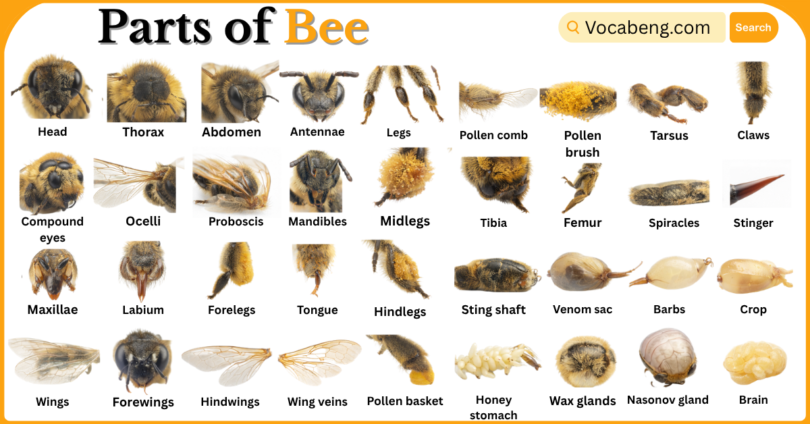

Bees are small but very important insects that help plants grow by pollination. Their bodies are made up of different parts, and each part has a special function that helps the bee fly, collect nectar, protect itself, and survive in nature. Learning the parts of a bee with names in English and pictures is a great way for students, children, and English learners to improve their vocabulary and understand how bees work. In this article, you will learn the different body parts of a bee, their names, and pictures to help you recognize and remember them easily.
Explore Bee parts and Name
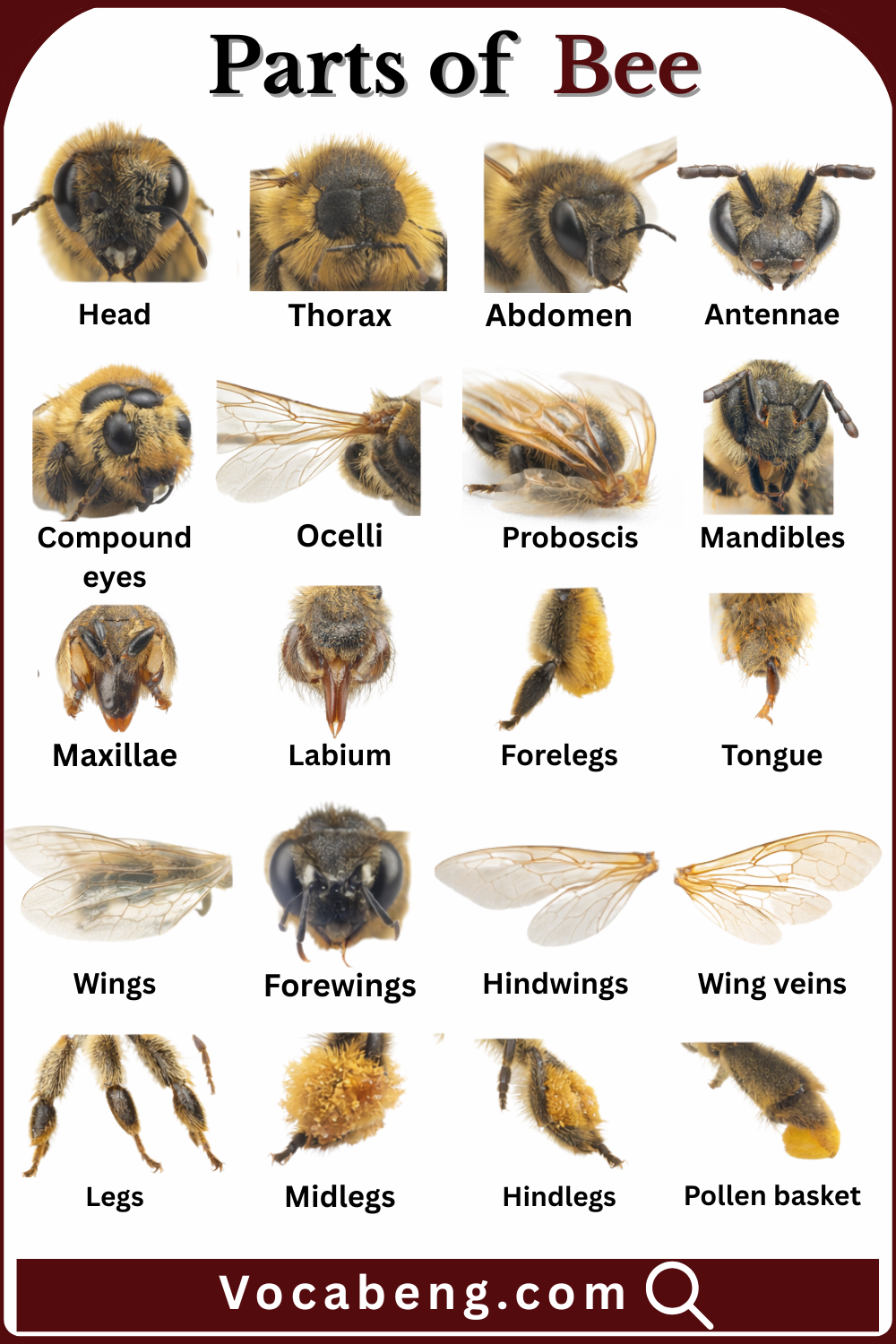
- Head
- Thorax
- Abdomen
- Antennae
- Compound eyes
- Ocelli
- Proboscis
- Mandibles
- Maxillae
- Labium
- Tongue
- Wings
- Forewings
- Hindwings
- Wing veins
- Legs
- Forelegs
- Midlegs
- Hindlegs
- Pollen basket
Common Parts of Bee with their Names and Pictures
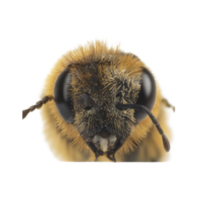
- Head
Front body section containing eyes, mouthparts, and antennae, controlling feeding, sensing, and basic behavior functions.
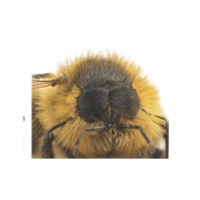
- Thorax
Middle body segment where wings and legs attach, providing strength and movement for flying and walking.
- Abdomen
Rear body part containing digestive organs, reproductive organs, and the stinger in worker bees.
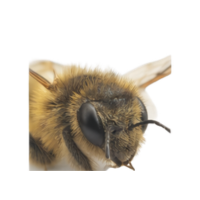
- Antennae
Pair of sensitive feelers on the head used to detect smell, touch, and environmental signals.
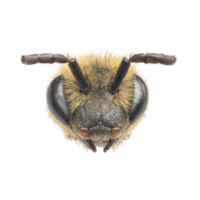
- Compound eyes
Large side eyes made of many tiny lenses that help detect movement and light.
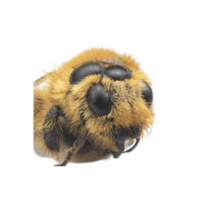
- Ocelli
Three small simple eyes on top of the head that sense light intensity.
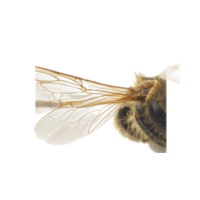
- Proboscis
Long flexible mouthpart used to suck nectar and other liquids.
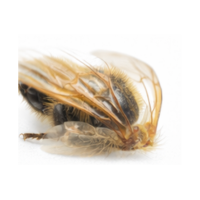
- Mandibles
Strong jaw-like structures used for biting, cutting, and handling materials.
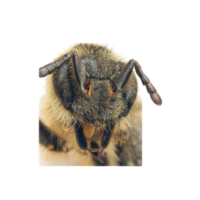
- Maxillae
Paired mouthparts that assist in manipulating food and forming the feeding tube.
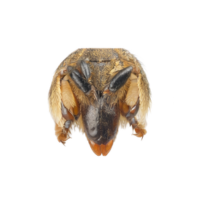
- Labium
Lower mouthpart forming part of the tongue structure for feeding.
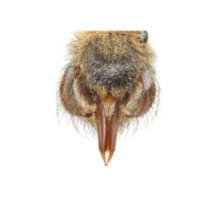
- Tongue
Hairy extension used to lap up nectar from flowers.
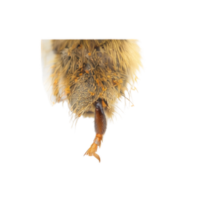
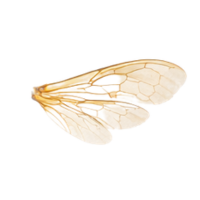
- Wings
Two pairs of thin membranes that allow the bee to fly.
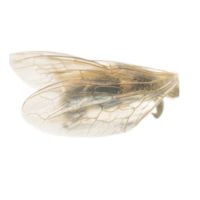
- Forewings
Front pair of wings that provide main lift during flight.
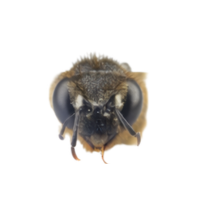
- Hindwings
Smaller rear wings that link with forewings for stable flying.
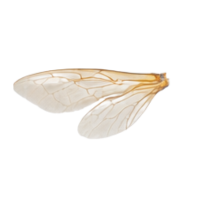
- Wing veins
Thin supportive lines within wings that provide structure and strength.
- Legs
Three pairs of jointed limbs used for walking, cleaning, and collecting pollen.
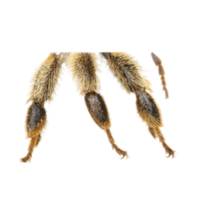
- Forelegs
Front pair of legs used mainly for cleaning antennae and head.
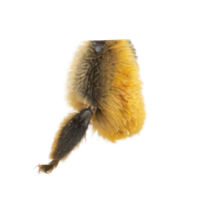
- Midlegs
Middle pair of legs assisting in walking and pollen handling.
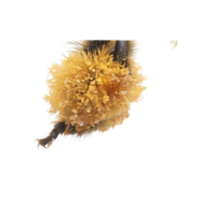
- Hindlegs
Rear legs specialized for carrying pollen in worker bees.
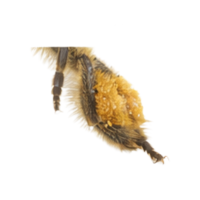
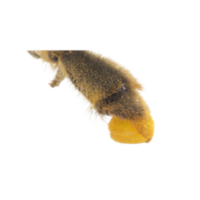
- Pollen basket
Smooth area on the hind leg where worker bees collect and carry pollen.
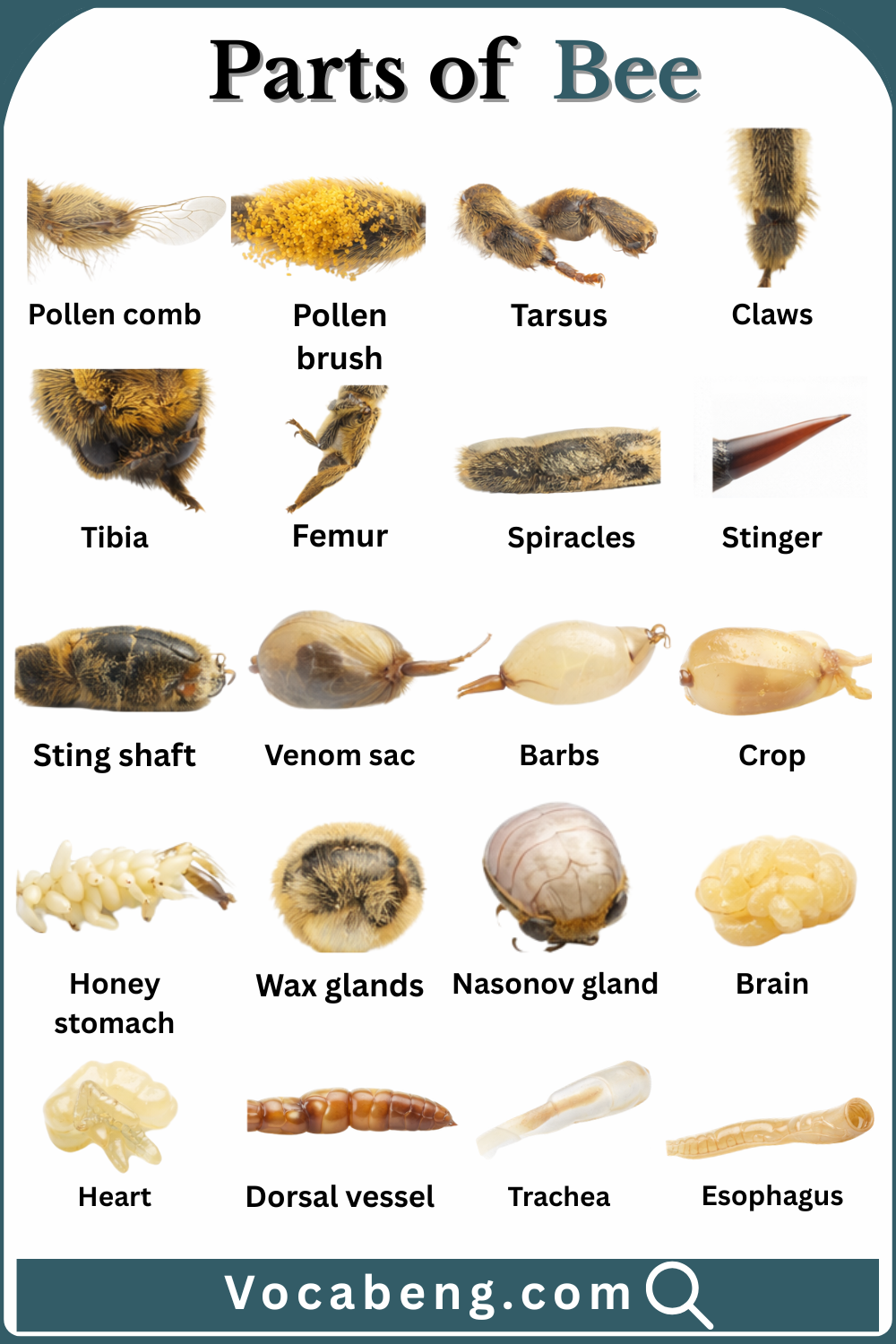
Common Parts of Bee with their Names and Pictures
Parts of Bee with Names list
- Pollen comb
- Pollen brush
- Claws
- Tibia
- Femur
- Tarsus
- Spiracles
- Stinger
- Sting shaft
- Venom sac
- Barbs
- Crop
- Honey stomach
- Wax glands
- Nasonov gland
- Brain
- Heart
- Dorsal vessel
- Trachea
- Esophagus
Bee Parts Names in English with there Pictures
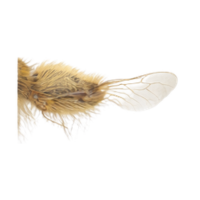
- Pollen comb
Row of stiff hairs on the bee’s hind legs used to comb pollen from the body and gather it for storage.
- Pollen brush
Dense hairs on the legs that help sweep and collect loose pollen grains from the body.
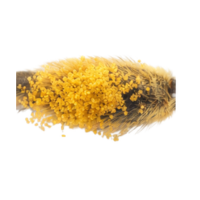
- Claws
Small hooked tips at the end of each leg that help the bee grip surfaces securely.
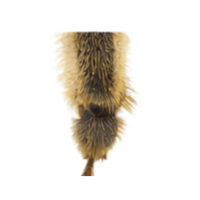
- Tibia
Middle section of the bee’s leg between femur and tarsus, often specialized for pollen collection on hind legs.
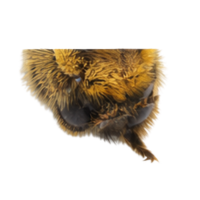
- Femur
Upper leg segment connecting the body to the tibia, providing strength for movement.
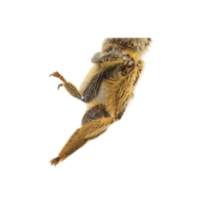
- Tarsus
Lower leg section made of small segments, ending in claws for gripping and walking.
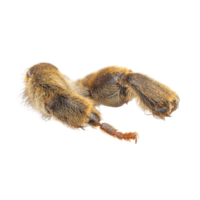
- Spiracles
Small breathing openings along the body that allow air to enter the respiratory system.
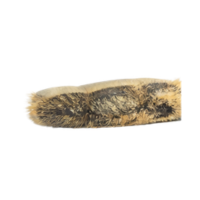
- Stinger
Sharp defensive organ at the end of the abdomen used to inject venom.
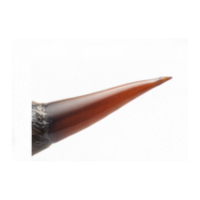
- Sting shaft
Needle-like part of the stinger that penetrates skin to deliver venom.
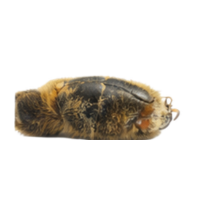
- Venom sac
Small internal sac that stores venom connected to the stinger.
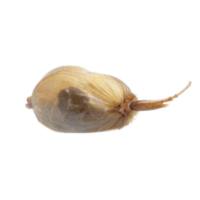
- Barbs
Tiny backward-facing hooks on the stinger that anchor it in the skin.
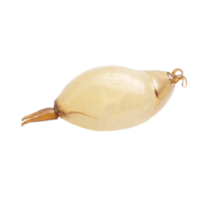
- Crop
Expandable storage pouch in the digestive system that temporarily holds collected nectar.
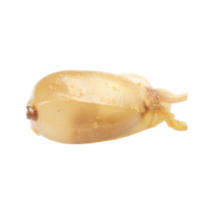
- Honey stomach
Special part of the crop where nectar is stored before being turned into honey.
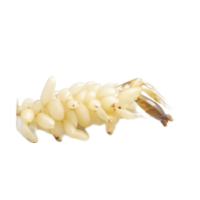
- Wax glands
Glands on the underside of the abdomen that produce wax for building honeycombs.
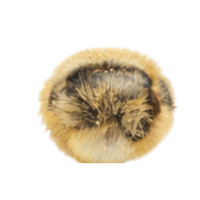
- Nasonov gland
Scent gland that releases chemicals to guide and communicate with other bees.
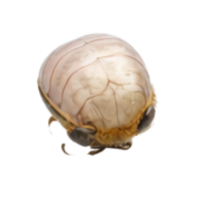
- Brain
Central nervous organ controlling movement, behavior, memory, and sensory processing.
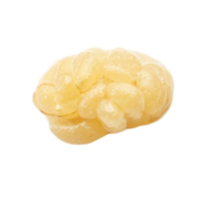
- Heart
Long tube-like organ that pumps blood-like fluid through the body.
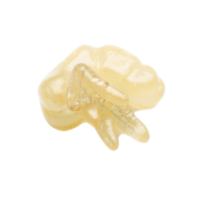
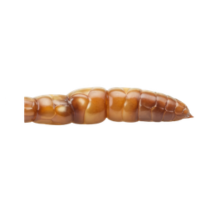
- Dorsal vessel
Main circulatory tube running along the back, functioning as the bee’s heart.
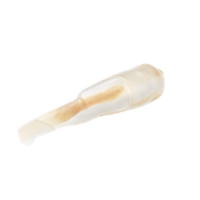
- Trachea
Network of tiny air tubes that deliver oxygen directly to body tissues.
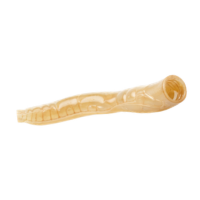
- Esophagus
Tube connecting the mouth to the crop, carrying nectar and food internally.
Bee Parts Names in English with there Pictures