

Types of Spiders with Names in English
- Jumping Spider
- Wolf Spider
- Tarantula
- Black Widow
- Brown Recluse
- Orb-Weaver
- Spider
- Garden
- Spider
- Trapdoor Spider
- Huntsman Spider
- Crab Spider
- Lynx Spider
- Nursery Web Spider
- Fishing Spider
- House
- Spider
- Cellar Spider
- Ghost Spider
- Funnel-Web Spider
- Mouse Spider
- Camel Spider
- Banana Spider
Names of Spiders and Types in English with Pictures
- Jumping Spider
Small, active spider known for jumping instead of using webs, excellent eyesight, curious behavior, and hunting insects by stalking and pouncing during daylight.

- Wolf Spider
Fast-running ground spider that hunts prey without webs, carrying egg sacs and young on its body, commonly found in grasslands, forests, and gardens.

- Tarantula
Large, hairy spider with slow movement, usually harmless to humans, living in burrows, hunting insects and small animals, and known for impressive size.

- Black Widow
Glossy black spider with a red hourglass mark, venomous but shy, living in dark spaces, spinning messy webs, and biting only when threatened.

- Brown Recluse
Small brown spider with a violin-shaped marking, reclusive by nature, venom can damage skin, often found in quiet indoor spaces like closets or boxes.

- Orb-Weaver Spider
Spider that builds large, round, patterned webs, usually harmless, found in gardens and forests, helping control insects by trapping them in silk webs.

- Garden Spider
Common outdoor spider living in gardens, spinning visible webs between plants, feeding on flying insects, and generally harmless and beneficial to plants.

- Trapdoor Spider
Burrowing spider that builds a hidden, hinged door in soil, waits underground for prey, and quickly ambushes insects passing nearby.

- Huntsman Spider
Large, flat-bodied spider known for speed, hunts without webs, often seen on walls, generally harmless, and helps control household insects.

- Crab Spider
Spider with sideways-walking legs like a crab, often sitting on flowers, changing color for camouflage, and ambushing pollinating insects.

- Lynx Spider
Active hunting spider with long, spiny legs, good vision, found on plants, feeding on insects without building webs.

- Nursery Web Spider
Spider that carries egg sacs in its jaws and builds a silk nursery for young, commonly found near water or vegetation.

- Fishing Spider
Large spider living near water, capable of walking on water surfaces, catching insects and small fish using strong legs.

- House Spider
Spider commonly found indoors, building webs in corners or ceilings, feeding on insects, and generally harmless to people.

- Cellar Spider
Long-legged spider often seen in basements, spinning loose webs, feeding on insects and other spiders, and harmless to humans.

- Ghost Spider
Fast-moving, pale-colored spider that hunts at night, rarely seen during the day, living on walls or ground surfaces.

- Funnel-Web Spider
Spider that builds funnel-shaped webs for trapping prey, some species highly venomous, living in moist areas like forests or gardens.

- Mouse Spider
Robust, burrowing spider with strong fangs, venomous but rarely biting humans, found mainly in Australia and similar regions.

- Camel Spider
Fast desert arachnid often called a spider, but not a true spider, lacks venom, hunts insects aggressively, and lives in dry regions.

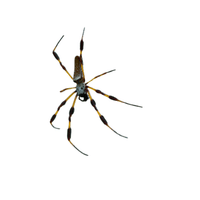
- Banana Spider
Large spider often referring to golden silk orb-weavers, known for strong golden webs, living in warm climates, generally harmless to humans.

Names of Spiders and Types in English with Pictures
List of Spiders Breeds Names in English
- Golden Silk Spider
- Spitting
- Spider
- Six-Eyed Sand Spider
- Assassin Spider
- Pirate Spider
- Ant-Mimic Spider
- Ogre-Faced
- Spider
- Net-Casting Spider
- Long-Jawed Spider
- Dwarf Spider
- Giant Spider
- Desert Spider
- Forest Spider
- Peacock Spider
- Cave Spider
- Grass Spider
- Water Spider
- Swamp Spider
- Tree Spider
- Rock Spider
100 Types of Spiders with Names in English and Pictures
- Golden Silk Spider
Large spider known for spinning strong golden-colored webs, living in warm regions, feeding on flying insects, and recognized for long legs and striking web shine.

- Spitting Spider
Spider that captures prey by spitting sticky silk mixed with venom, immobilizing insects quickly, usually small, slow-moving, and found indoors or under stones.

- Six-Eyed Sand Spider
Well-camouflaged desert spider with six eyes, buries itself in sand to ambush prey, venom is highly potent, but human encounters are rare.

- Assassin Spider
Unusual spider with elongated head and jaws, hunts other spiders instead of insects, using stealth and specialized attacks rather than webs.

- Pirate Spider
Spider that invades other spiders’ webs, mimics vibrations, and steals prey or attacks the resident spider, showing clever hunting behavior.

- Ant-Mimic Spider
Spider that looks and moves like an ant, using mimicry for protection or hunting, often living near ant trails or vegetation.

- Ogre-Faced Spider
Night-hunting spider with very large eyes, hangs upside down and uses a stretched silk net to trap insects passing below.

- Net-Casting Spider
Spider that holds a small web between its legs, throwing it over prey, mostly active at night and closely related to ogre-faced spiders.
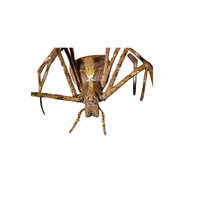
- Long-Jawed Spider
Slender spider with long jaws, living near water, building horizontal webs, and feeding on insects trapped above streams or ponds.

- Dwarf Spider
Very small spider species, often overlooked, living in leaf litter or grass, feeding on tiny insects, and important in local ecosystems.

- Giant Spider
General term for unusually large spiders, often impressive in size, slow-moving, and living in forests or warm regions, not a single species.

- Desert Spider
Spider adapted to dry environments, surviving heat and low water, hiding under sand or rocks, and hunting insects at night.

- Forest Spider
Spider living in wooded areas, building webs between trees or leaves, feeding on insects, and helping control forest pest populations.

- Peacock Spider
Tiny, colorful spider known for bright patterns and dancing courtship displays, harmless to humans, and found mainly in Australia.

- Cave Spider
Spider adapted to dark caves, often pale with reduced eyesight, feeding on insects and other cave-dwelling invertebrates.

- Grass Spider
Spider that builds funnel-shaped webs in grass, waits inside for prey, and quickly rushes out to capture insects.

- Water Spider
Unique spider that lives underwater, building air-filled silk chambers, hunting aquatic insects, and spending most of its life submerged.

- Swamp Spider
Spider living in wetlands and marshes, adapted to moist conditions, feeding on insects near water plants and muddy ground.

- Tree Spider
Spider that lives on trees, building webs among branches or bark, feeding on flying insects attracted to foliage.
- Rock Spider
Spider living among rocks and crevices, using cracks for shelter, hunting insects nearby, and relying on camouflage for protection.


100 Types of Spiders with Names in English and Pictures
Learn more helpful articles