
Type of Bat Breeds with Names list
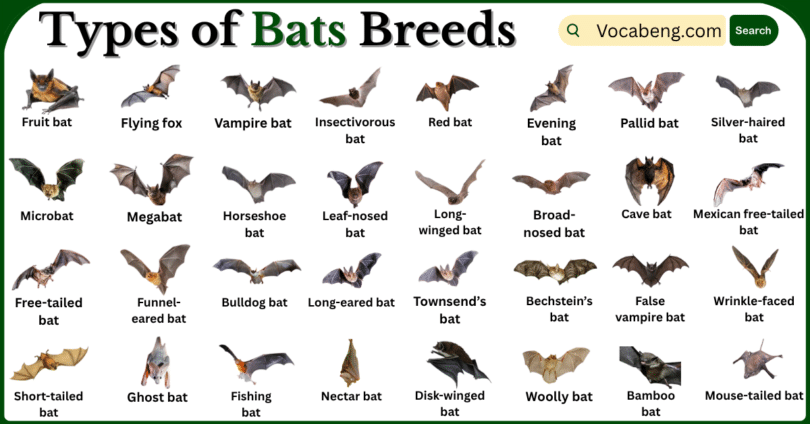
- Fruit bat
- Flying fox
- Vampire bat
- Insectivorous bat
- Microbat
- Megabat
- Horseshoe bat
- Leaf-nosed bat
- Free-tailed bat
- Funnel-eared bat
- Bulldog bat
- Long-eared bat
- Short-tailed bat
- Ghost bat
- Fishing bat
- Nectar bat
- Flower bat
- Big brown bat
- Little brown bat
- Hoary bat
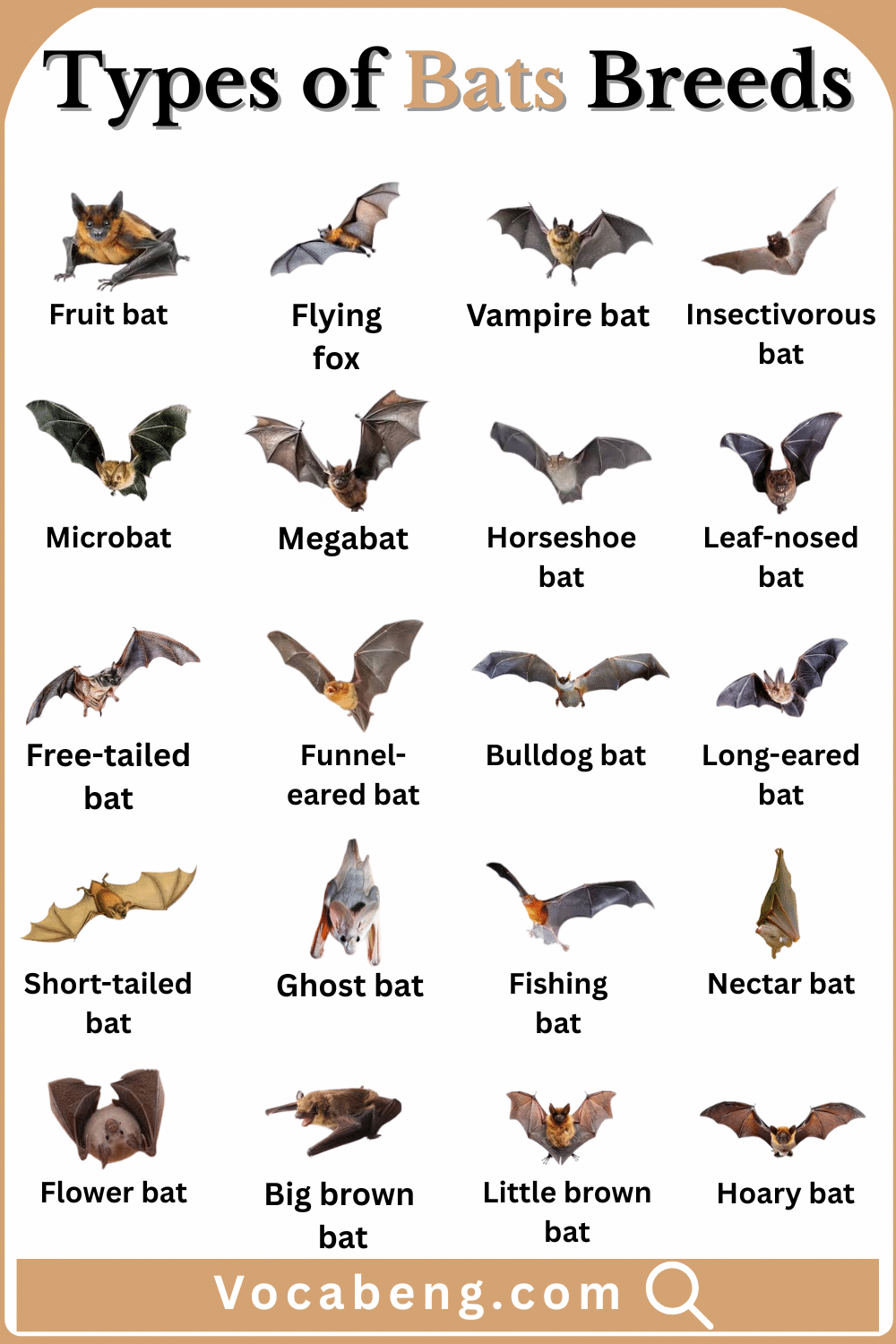
Common Types of Bats Breeds with their Names and images
- Fruit bat
A bat that feeds mainly on fruits, using strong teeth and good eyesight, helping forests by spreading seeds and supporting natural plant growth.
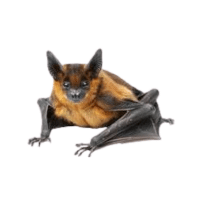
- Flying fox
A large fruit bat with a fox-like face and long wings, known for roosting in groups and traveling long distances to find fruit and nectar.
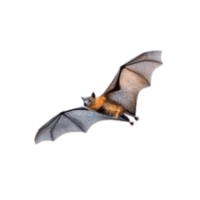
- Vampire bat
A small bat that feeds on blood from animals, using sharp teeth to make tiny cuts, mostly found in Central and South America.
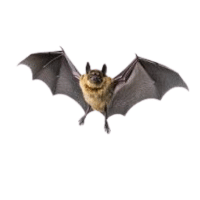
- Insectivorous bat
A bat that eats insects such as mosquitoes and beetles, using echolocation to hunt at night and helping control insect populations naturally.
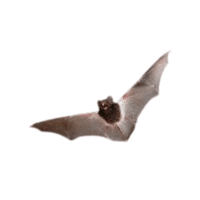
- Microbat
A small bat species that uses echolocation for navigation and hunting, mainly feeding on insects and active mostly during nighttime hours.
- Megabat
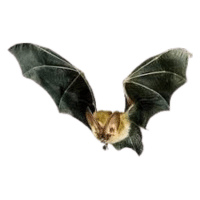
A large bat group that relies more on vision and smell than echolocation, feeding on fruits, nectar, and flowers in tropical regions.
- Horseshoe bat
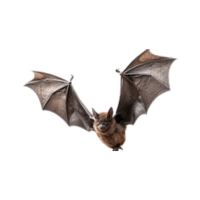
A bat with a horseshoe-shaped nose structure, using advanced echolocation to hunt insects accurately in dark caves and forests.
- Leaf-nosed bat
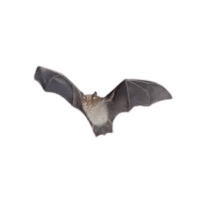
A bat with a leaf-shaped nose used to direct echolocation calls, helping it detect prey and navigate efficiently at night.
- Free-tailed bat
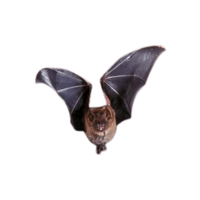
A fast-flying bat with a tail extending beyond its membrane, known for high-altitude flight and feeding on large numbers of insects.
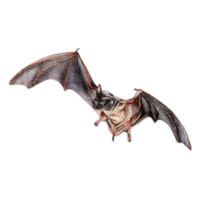
- Funnel-eared bat
A bat with funnel-shaped ears that improve sound detection, allowing precise echolocation and effective insect hunting in dense habitats.
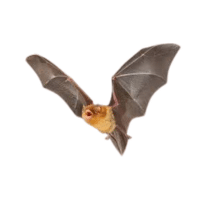
- Bulldog bat
A strong bat with a broad face and powerful jaws, often found near water and known for catching insects while flying low.
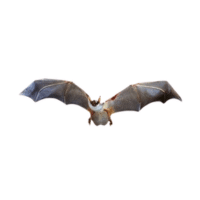
- Long-eared bat
A bat with very long ears that enhance hearing, allowing it to detect quiet insect movements while hunting slowly at night.
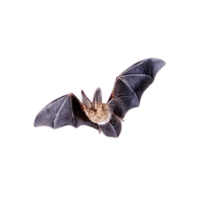
- Short-tailed bat
A bat with a short tail that can forage on the ground, feeding on insects, fruit, and nectar, mainly found in specific regions.
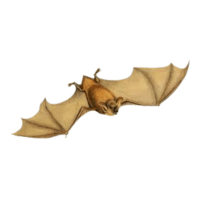
- Ghost bat
A pale-colored carnivorous bat that preys on small animals, birds, and insects, using sharp teeth and silent flight.
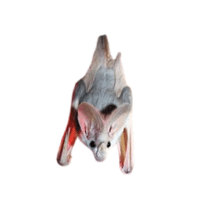
- Fishing bat
A bat that hunts fish by skimming water surfaces, using echolocation and sharp claws to catch prey from rivers and lakes.
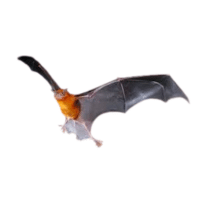
- Nectar bat
A bat adapted to feed on nectar, with a long tongue for reaching deep flowers, playing an important role in plant pollination.
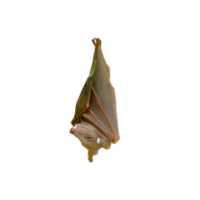
- Flower bat
A small bat that feeds on flower nectar and pollen, helping pollinate plants and supporting healthy ecosystems.
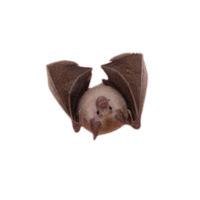
- Big brown bat
A common bat species with brown fur, feeding mainly on insects and often found living near buildings and human settlements.
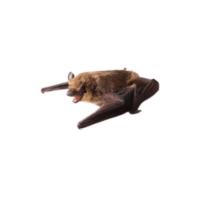
- Little brown bat
A small bat that eats insects and roosts in caves or buildings, known for long lifespans and strong echolocation skills.
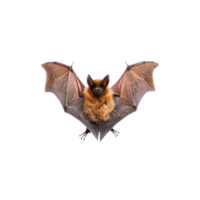
- Hoary bat
A large bat with frosted-looking fur, known for long-distance migration and solitary behavior, feeding mainly on flying insects.
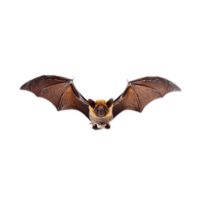
Common Types of Bats Breeds with their Names and images
Bats Breeds Types and Name
- Red bat
- Silver-haired bat
- Evening bat
- Pallid bat
- Mexican free-tailed bat
- Townsend’s bat
- Bechstein’s bat
- Kitti’s hog-nosed bat
- False vampire bat
- Wrinkle-faced bat
- Disk-winged bat
- Woolly bat
- Bamboo bat
- Mouse-tailed bat
- Slit-faced bat
- Yellow bat
- Painted bat
- Long-winged bat
- Broad-nosed bat
- Cave bat
Explore Bats Breeds Types and Names
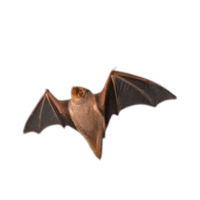
- Red bat
A tree-roosting bat with reddish fur, living mainly in forests, feeding on insects at night, and known for solitary habits and seasonal migration.
- Silver-haired bat
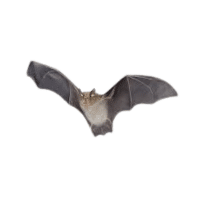
A dark bat with silver-tipped fur, preferring wooded areas, feeding on insects, and often migrating long distances between summer and winter habitats.
- Evening bat
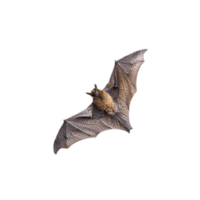
A small bat active at dusk, feeding on insects, commonly found near forests and towns, and often roosting in tree cavities or buildings.
- Pallid bat
A pale-colored bat that hunts insects and scorpions on the ground, using strong hearing instead of echolocation for locating prey.
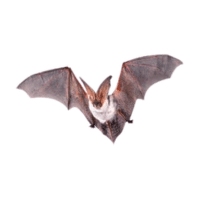
- Mexican free-tailed bat
A fast-flying bat with a tail extending beyond its body, forming massive colonies and consuming huge numbers of flying insects nightly.
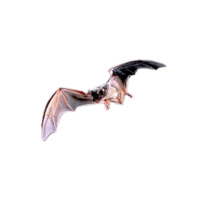
- Townsend’s bat
A bat with very long ears, roosting in caves and buildings, feeding on moths, and sensitive to disturbance in its resting places.
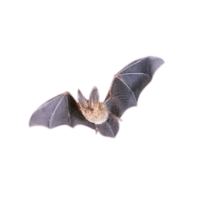
- Bechstein’s bat
A rare forest bat with long ears, roosting mainly in tree holes, feeding on insects, and preferring old, undisturbed woodlands.
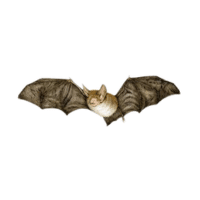
- Kitti’s hog-nosed bat
The world’s smallest bat, with a pig-like nose, living in caves and feeding on insects while hovering briefly in flight.
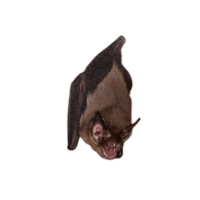
- False vampire bat
A large bat that eats insects and small animals, lacking blood-feeding habits, and known for strong jaws and sharp teeth.
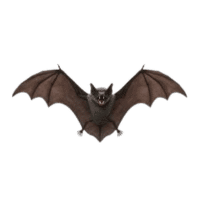
- Wrinkle-faced bat
A bat with deeply wrinkled facial skin, feeding mainly on fruit and nectar, and found in tropical forests and caves.
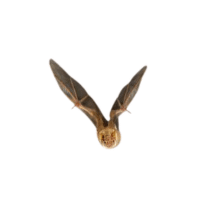
- Disk-winged bat
A small bat with suction-cup discs on its wings and feet, allowing it to cling inside rolled leaves for shelter.
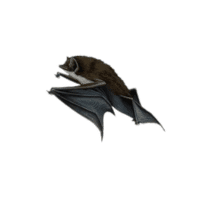
- Woolly bat
A small bat with thick, wool-like fur, feeding on insects, and living in tropical forests where camouflage helps avoid predators.
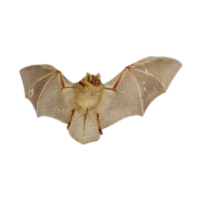
- Bamboo bat
A tiny bat that roosts inside hollow bamboo stems, feeding on insects and living in dense bamboo forests.
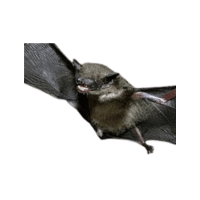
- Mouse-tailed bat
A bat with a long, mouse-like tail, preferring dry regions, feeding on insects, and often roosting in caves or crevices.
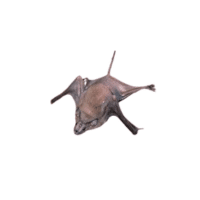
- Slit-faced bat
A bat with a deep facial groove, feeding on insects and small animals, and using advanced echolocation for night hunting.
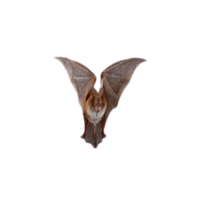
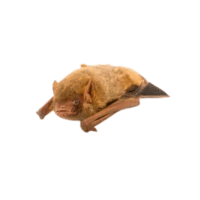
- Yellow bat
A bat with yellowish fur that blends with dried leaves, feeding on insects and roosting in palm trees or foliage.
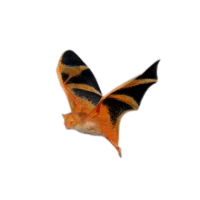
- Painted bat
A brightly colored bat with orange and black wings, feeding on insects and known for striking appearance in forest habitats.
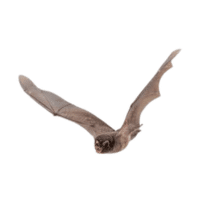
- Long-winged bat
A bat with long, narrow wings adapted for fast flight, feeding on insects and often hunting in open spaces.
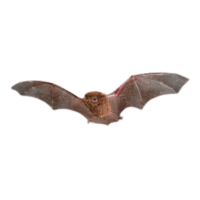
- Broad-nosed bat
A bat with a wide nose and short face, feeding on insects or fruit, commonly found in tropical and subtropical regions.
- Cave bat
A bat species that lives mainly in caves, roosting in large groups and feeding on insects during nighttime flights.
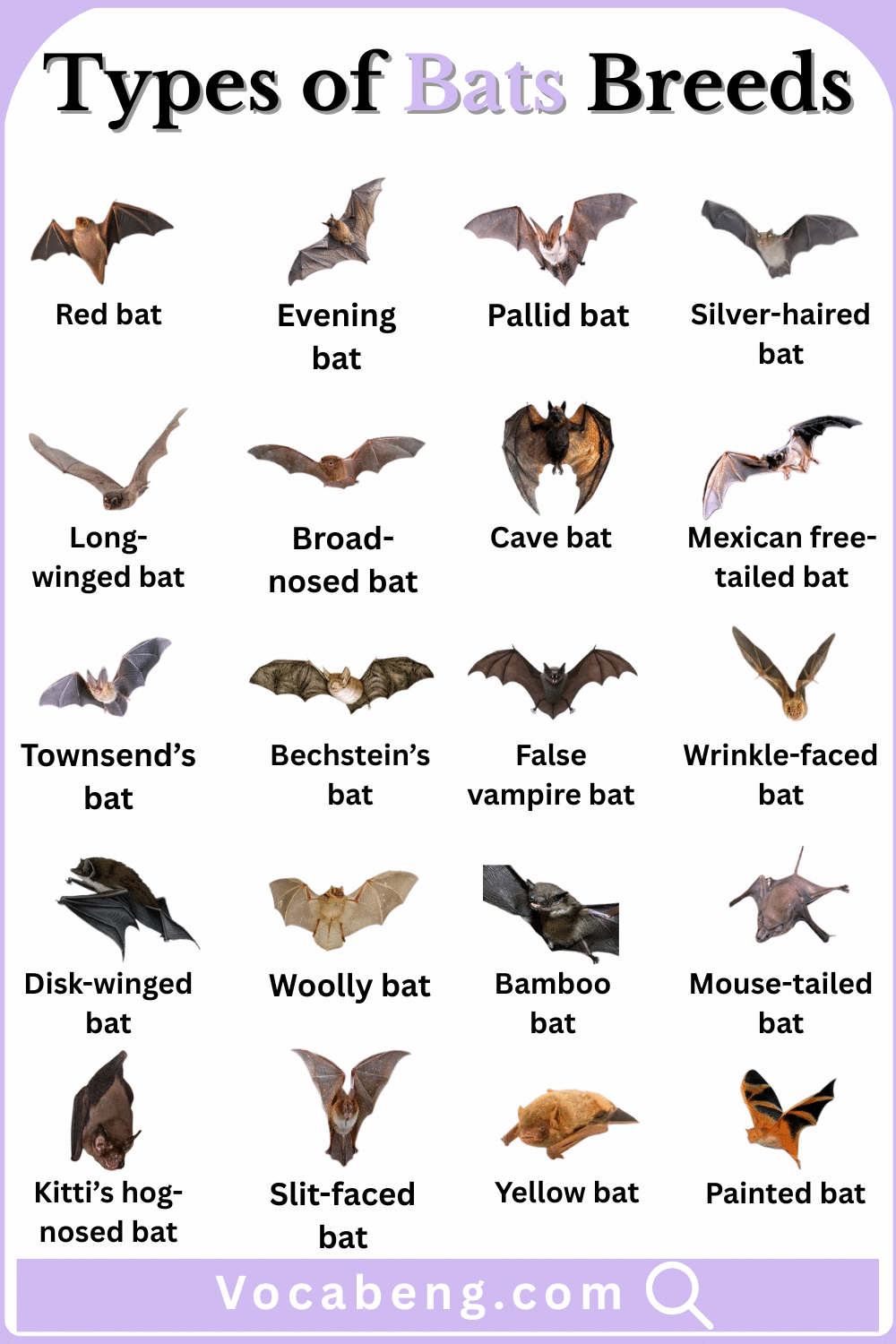
Explore Bats Breeds Types and Names
Learn More Helpful Articles