
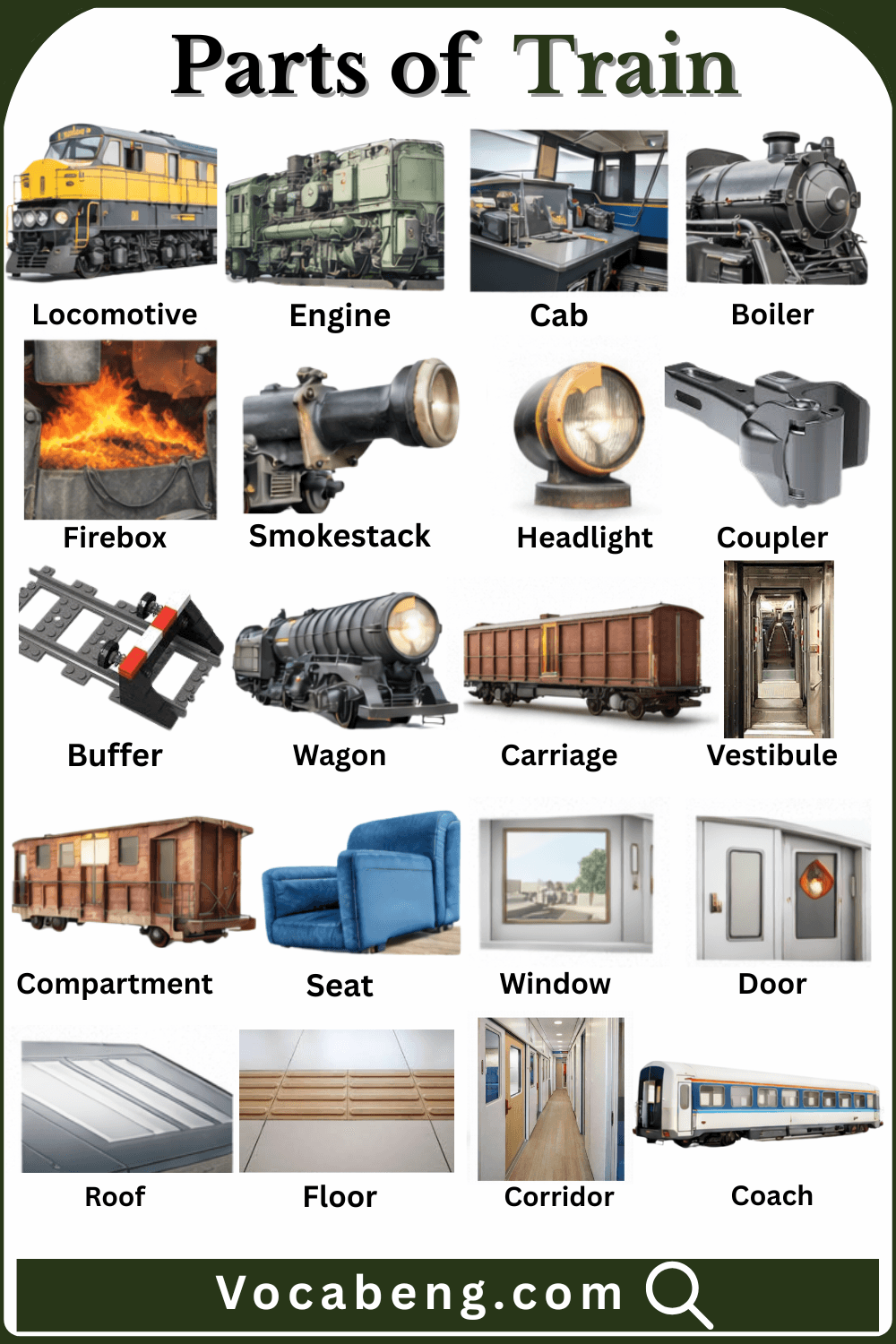
Understanding the parts of train with names helps us see how this powerful vehicle runs smoothly on the tracks. A train is not just one big machine; it is made up of many important sections that work together. From the engine at the front to the coaches behind it, every part has a clear purpose. Learning the names of train components makes it easier to describe how a railway system functions. It also builds strong vocabulary for students and transport learners. When we explore the different sections of a train and their names, we gain a better understanding of how travel by rail becomes safe and efficient.
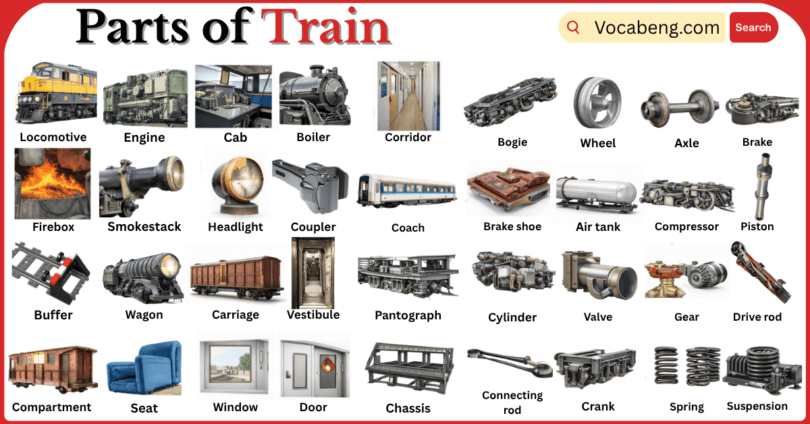
Parts of Train with Names list
- Locomotive
- Engine
- Cab
- Boiler
- Firebox
- Smokestack
- Headlight
- Coupler
- Buffer
- Wagon
- Carriage
- Coach
- Compartment
- Seat
- Window
- Door
- Roof
- Floor
- Corridor
- Vestibule
Train Parts Names in English with there Pictures
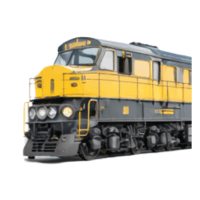
- Locomotive
Powered railway vehicle that pulls or pushes train cars along the track, providing the force needed for movement.
- Engine
Main mechanical system inside the locomotive that produces power to move the train forward or backward.
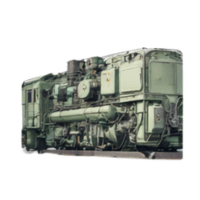
- Cab
Enclosed space in the locomotive where the driver controls speed, brakes, and direction.
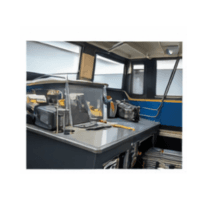
- Boiler
Large metal tank in steam locomotives that heats water to produce high-pressure steam for power.
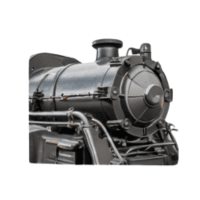
- Firebox
Chamber in a steam locomotive where fuel is burned to heat water inside the boiler.
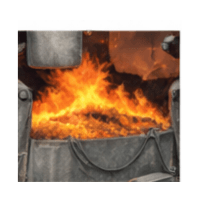
- Smokestack
Vertical pipe on top of a steam locomotive that releases smoke and exhaust gases.
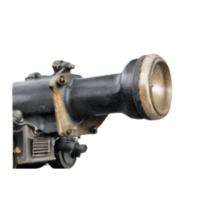
- Headlight
Bright front light mounted on the locomotive to illuminate tracks and signal presence.
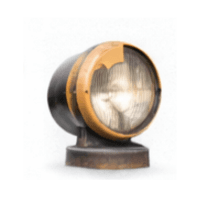
- Coupler
Strong connecting device that links one railway vehicle to another securely.
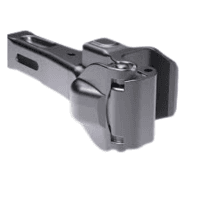
- Buffer
Shock-absorbing device mounted at the ends of rail vehicles to reduce impact during coupling.
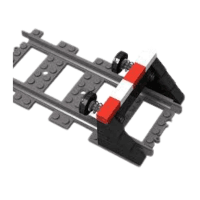
- Wagon
Rail vehicle mainly used for carrying goods, freight, or cargo.
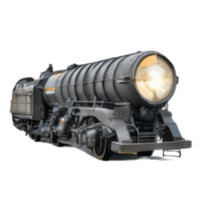
- Carriage
Passenger rail vehicle designed to transport people comfortably.
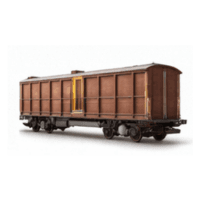
- Coach
Passenger car equipped with seating arrangements for travelers.
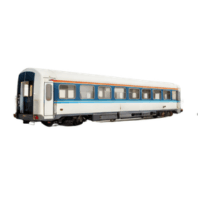
- Compartment
Separate enclosed section inside a passenger coach for seating a small group.
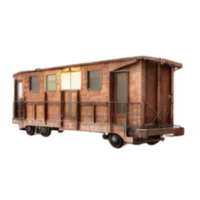
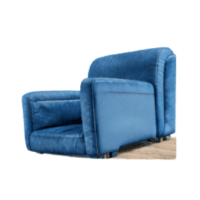
- Seat
Fixed or foldable place inside the coach where passengers sit during travel.
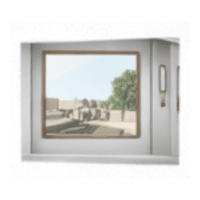
- Window
Glass opening in the side of a train car allowing light, air, and outside views.
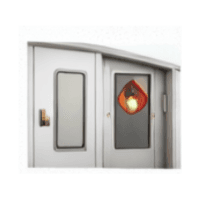
- Door
Movable panel used for entering and exiting the train safely.
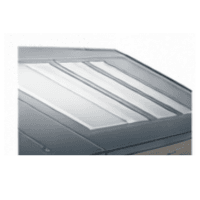
- Roof
Top covering of the train car that protects passengers from weather conditions.
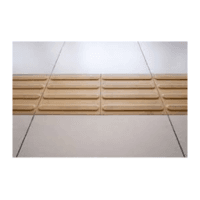
- Floor
Lower interior surface of the train car on which passengers stand or walk.
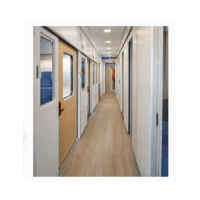
- Corridor
Narrow passage inside a coach that allows movement between compartments or sections.
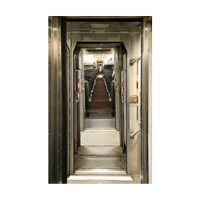
- Vestibule
Enclosed connecting area between train cars that allows safe passage from one coach to another.
Train Parts Names in English with there Pictures
Explore Train parts and Name
- Bogie
- Wheel
- Axle
- Brake
- Brake shoe
- Air tank
- Compressor
- Piston
- Cylinder
- Valve
- Gear
- Drive rod
- Connecting rod
- Crank
- Suspension
- Spring
- Frame
- Chassis
- Pantograph
- Transformer
Common Parts of Train with their Names and Pictures
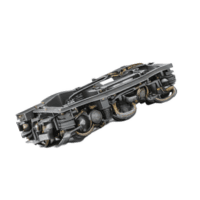
- Bogie
Framework mounted under a rail vehicle that holds wheelsets, axles, suspension, and brakes, allowing smooth movement and better stability on curved and uneven tracks.
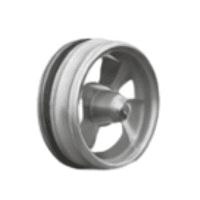
- Wheel
Round steel component fixed to an axle that rolls along rails, supporting the train’s weight and enabling forward or backward movement.
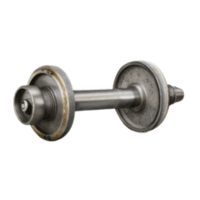
- Axle
Strong metal shaft connecting two wheels, allowing them to rotate together and support heavy loads safely.
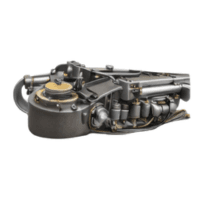
- Brake
Mechanical or air-operated system that slows down or stops the train by applying friction to the wheels.
- Brake shoe
Replaceable friction block that presses against the wheel surface to reduce speed during braking.
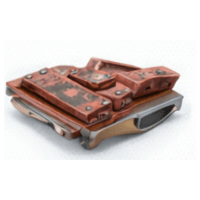
- Air tank
Pressurized container storing compressed air used in the train’s braking system.
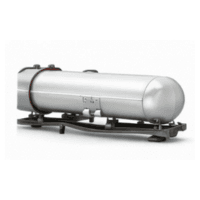
- Compressor
Machine that compresses air and supplies it to the braking system and other pneumatic equipment.
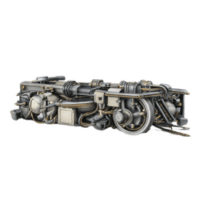
- Piston
Moving cylindrical component inside an engine or compressor that transfers force through pressure changes.
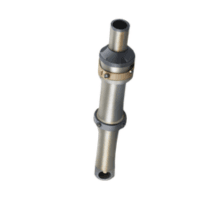
- Cylinder
Hollow chamber where a piston moves back and forth to produce mechanical power.
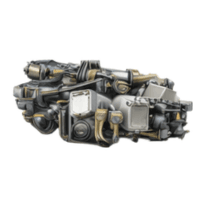
- Valve
Device that controls the flow of steam, air, or fluid within the train’s mechanical systems.
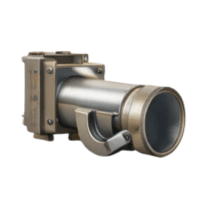
- Gear
Toothed mechanical part that transfers motion and power between rotating components.
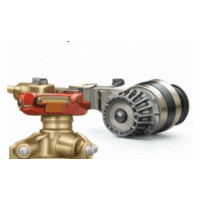
- Drive rod
Metal rod connecting the driving wheels in steam locomotives, transferring motion from the engine.
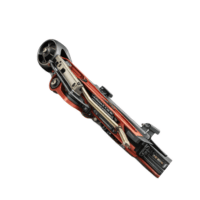
- Connecting rod
Rod that links the piston to the crank, converting linear motion into rotation.
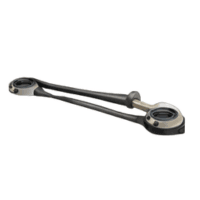
- Crank
Bent shaft that changes the piston’s back-and-forth motion into circular movement of wheels.
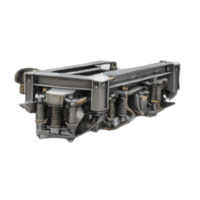
- Suspension
System of springs and components that absorbs shocks and provides a smooth ride.
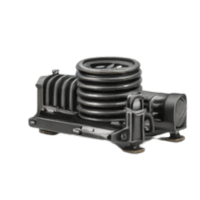
- Spring
Elastic metal component that compresses and expands to absorb vibration and support weight.
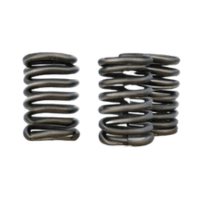
- Frame
Main structural structure supporting the locomotive body and mechanical systems.
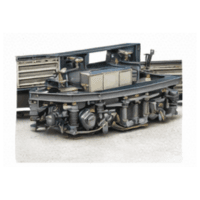
- Chassis
Base framework of the rail vehicle on which the body and components are mounted.
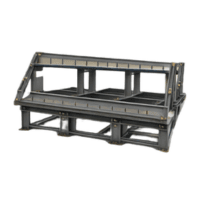
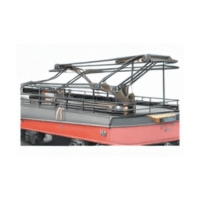
- Pantograph
Roof-mounted device on electric trains that collects electrical power from overhead wires.
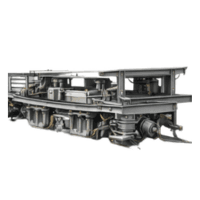
- Transformer
Electrical device in electric trains that adjusts voltage levels for safe and efficient operation.
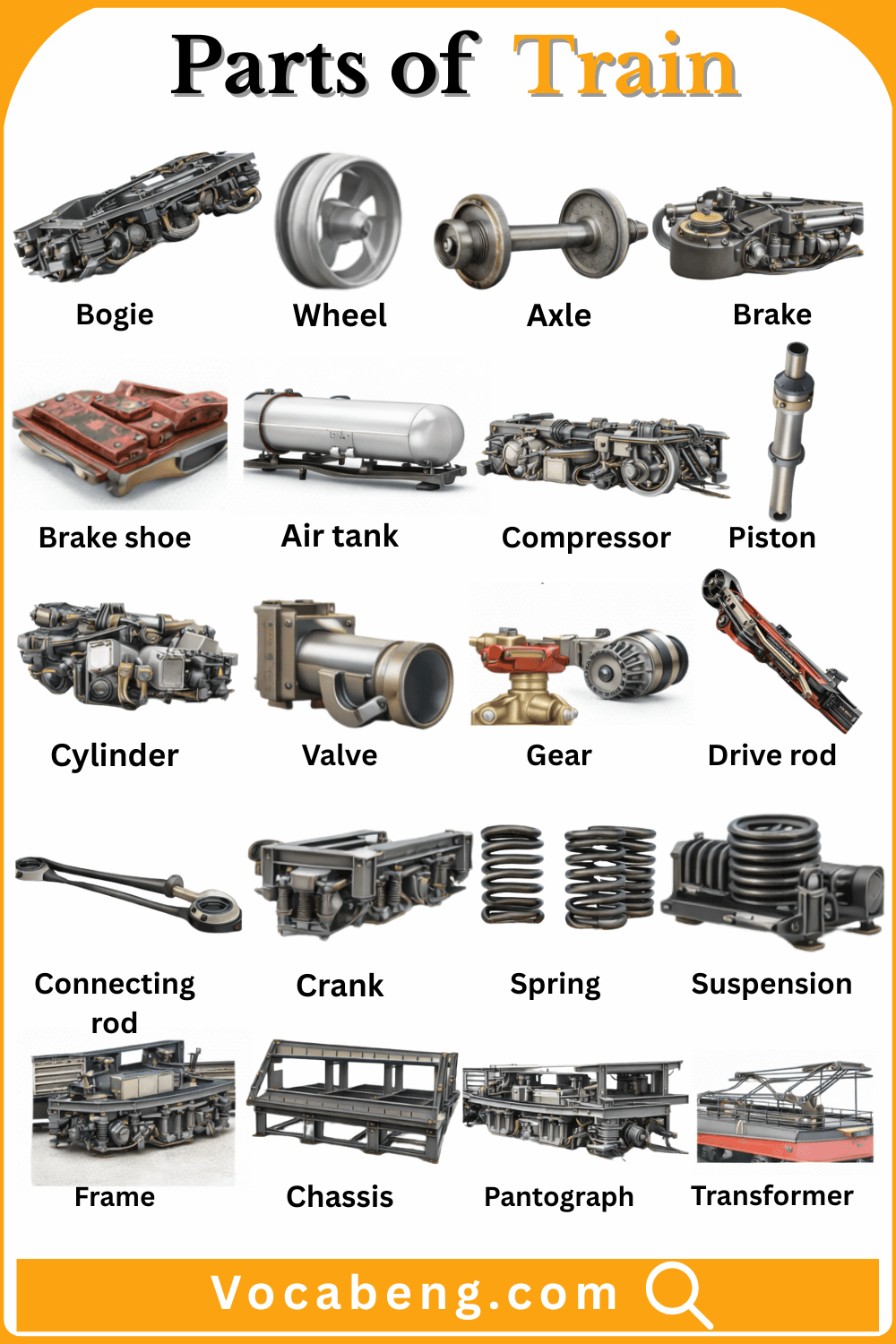
Common Parts of Train with their Names and Pictures
Learn More Helpful Articles