
Types of Teeth with Names in English
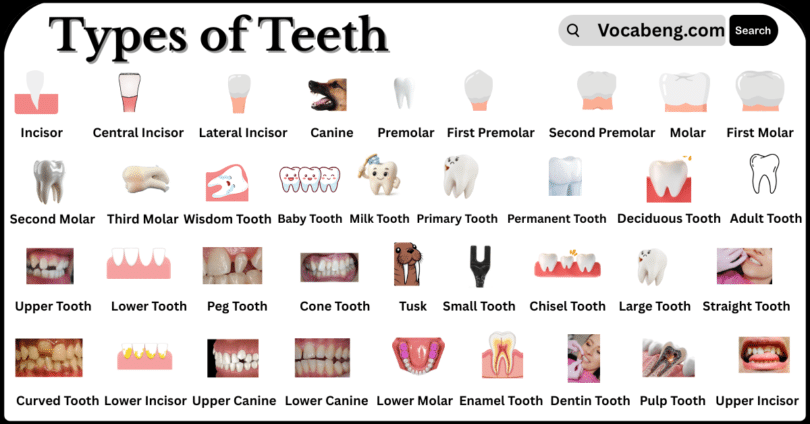
- Incisor
- Central Incisor
- Lateral Incisor
- Canine
- Premolar
- First Premolar
- Second Premolar
- Molar
- First Molar
- Second Molar
- Third Molar
- Wisdom Tooth
- Baby Tooth
- Milk Tooth
- Primary Tooth
- Permanent Tooth
- Deciduous Tooth
- Adult Tooth
- Upper Tooth
- Lower Tooth
Types of Teeth with Names in English and Pictures
- Incisor
Front tooth with a flat, sharp edge used for cutting food, located at the front of the mouth, helping bite, speech formation, and clean separation of food during eating.

- Central Incisor
The two frontmost teeth in each jaw, positioned at the center, used mainly for biting food, supporting speech clarity, facial appearance, and proper alignment of neighboring teeth.
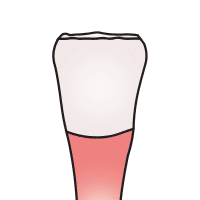
- Lateral Incisor
Teeth located next to the central incisors, slightly smaller in size, helping cut food, guide bite alignment, and support natural shape and symmetry of the smile.
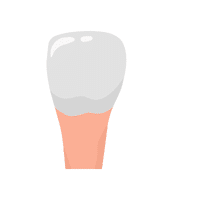
- Canine
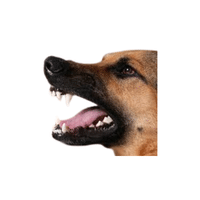
Pointed tooth beside the incisors, designed for tearing and gripping food, also helping guide jaw movement and maintain proper spacing and alignment between other teeth.
- Premolar
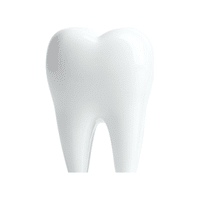
Teeth located between canines and molars, having flat surfaces with ridges, used for crushing and grinding food during chewing before swallowing.
- First Premolar
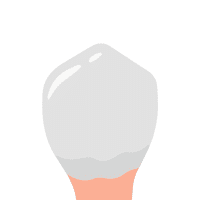
The premolar closest to the canine, assisting in tearing and crushing food, playing a transition role between sharp canines and broader grinding molars.
- Second Premolar
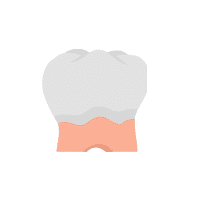
The premolar located next to the first premolar, mainly used for grinding food, with a broader chewing surface to improve efficient breakdown of food.
- Molar
Large, strong teeth at the back of the mouth, designed for heavy grinding and chewing, helping break food into smaller pieces for digestion.
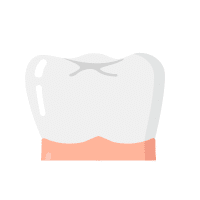
- First Molar
The first permanent molar to erupt, appearing behind premolars, important for chewing efficiency and maintaining proper bite and jaw structure.
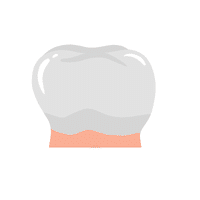
- Second Molar
A molar located behind the first molar, aiding in grinding food thoroughly and supporting balanced chewing on both sides of the mouth.
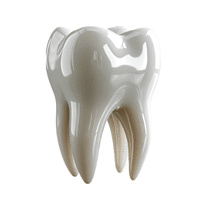
- Third Molar
The last molar at the back of the mouth, often erupting late, sometimes impacted, and commonly removed due to limited space.
- Wisdom Tooth
Another name for the third molar, appearing in late teens or adulthood, often causing crowding or pain due to lack of space.
- Baby Tooth
A temporary tooth that appears in early childhood, helping children chew food and speak properly before being replaced by permanent teeth.
- Milk Tooth
Common name for baby teeth, referring to the first set of teeth in children, which eventually fall out to make space for adult teeth.
- Primary Tooth
The first set of teeth developing in infants, essential for early chewing, speech development, and guiding correct placement of permanent teeth.
- Permanent Tooth
Adult tooth that replaces primary teeth, designed to last a lifetime, stronger and larger, supporting long-term chewing, speech, and facial structure.
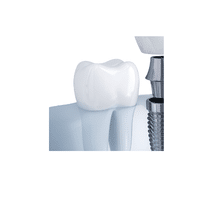
- Deciduous Tooth
Scientific term for primary or baby teeth, which naturally shed during childhood as part of normal dental development.
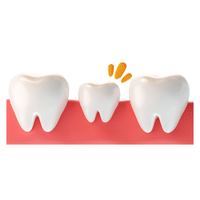
- Adult Tooth
Another term for permanent teeth, forming the final set of teeth, adapted for lifelong use in chewing, speaking, and maintaining jaw alignment.
- Upper Tooth
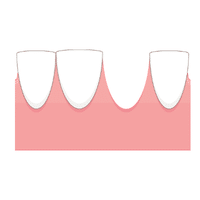
Any tooth located in the upper jaw, working together with lower teeth to bite, chew food, and support facial shape.
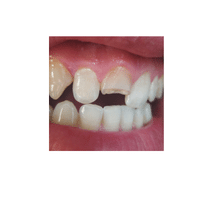
- Lower Tooth
Any tooth located in the lower jaw, essential for chewing movement, stability, and proper contact with upper teeth during eating.
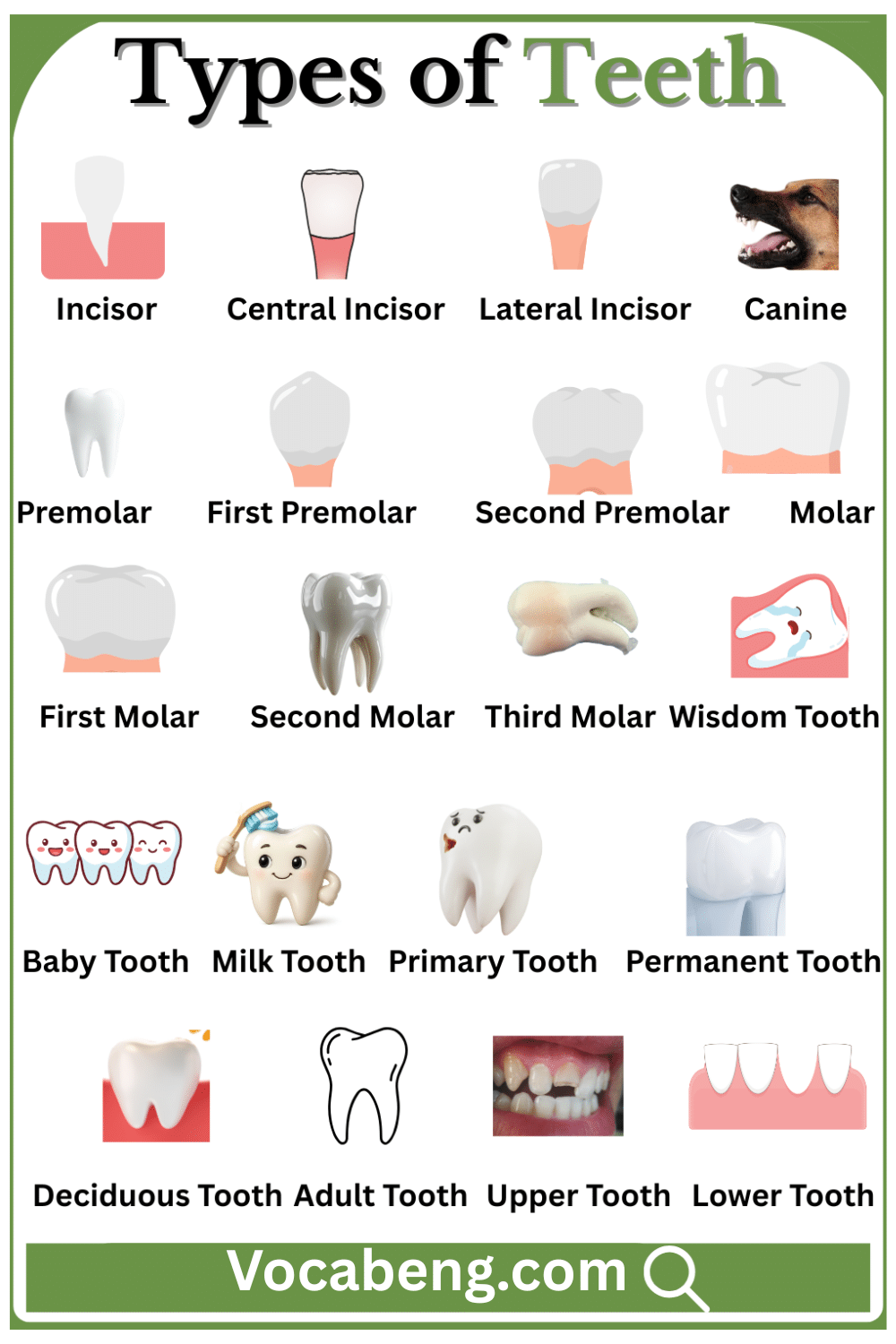
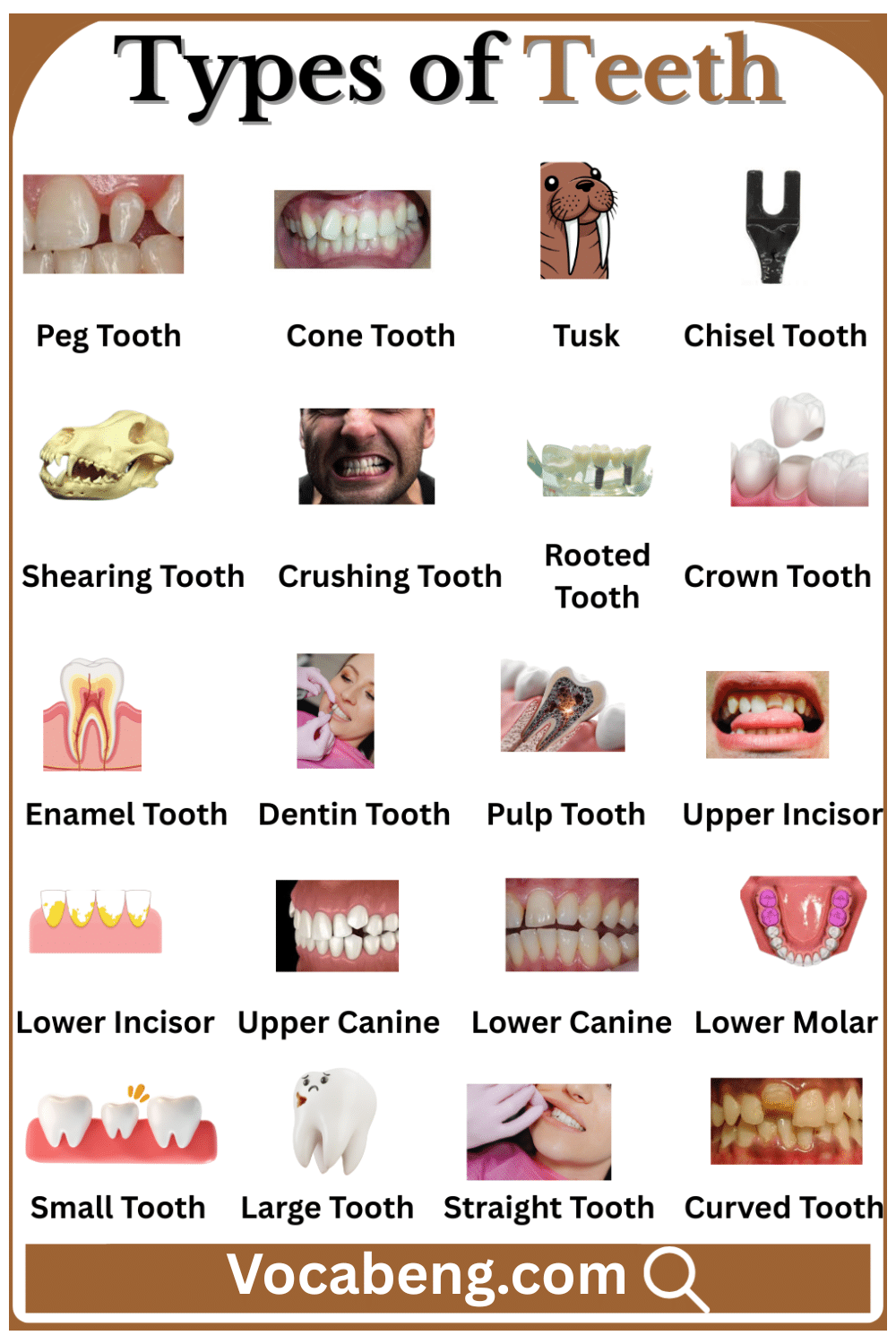
Types of Teeth with Names in English and Pictures
List of Teeth Name in English
- Peg Tooth
- Cone Tooth
- Tusk
- Chisel Tooth
- Shearing Tooth
- Crushing Tooth
- Rooted Tooth
- Crown Tooth
- Enamel Tooth
- Dentin Tooth
- Pulp Tooth
- Upper Incisor
- Lower Incisor
- Upper Canine
- Lower Canine
- Lower Molar
- Small Tooth
- Large Tooth
- Straight Tooth
- Curved Tooth
Different Types of Teeth with Names in English and Images
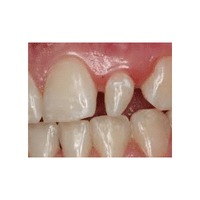
- Peg Tooth
A small, narrow tooth with a tapered shape, often seen as a variation of incisors, usually affecting appearance and alignment rather than chewing function.
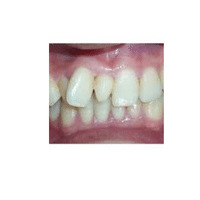
- Cone Tooth
A tooth shaped like a cone with a pointed tip, commonly seen in canines, designed for gripping and tearing food effectively.
- Tusk
A long, enlarged tooth projecting outward, found in some animals, used for defense, digging, or display, rather than regular chewing.

- Chisel Tooth
A flat-edged tooth shaped like a chisel, typical of incisors, used mainly for cutting and biting food cleanly.
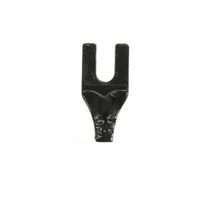
- Shearing Tooth
A sharp-edged tooth designed to slice food, common in carnivorous animals, helping cut meat into smaller, manageable pieces.
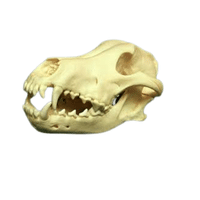
- Crushing Tooth
A broad, strong tooth with a flat surface, used for crushing and grinding hard foods like seeds and nuts.
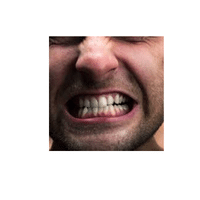
- Rooted Tooth
A tooth anchored firmly into the jaw by one or more roots, providing stability during biting and chewing.
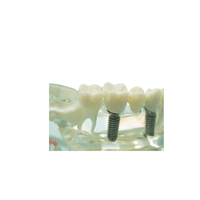
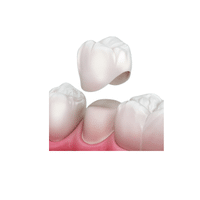
- Crown Tooth
The visible upper part of a tooth above the gum line, covered with enamel, used directly in biting and chewing food.
- Enamel Tooth
Refers to the hard, outer protective layer of a tooth, shielding it from damage, decay, and daily wear.
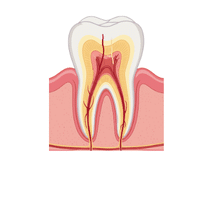
- Dentin Tooth
The layer beneath enamel forming most of the tooth structure, supporting enamel and transmitting sensations like heat and cold.

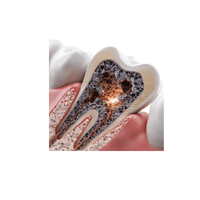
- Pulp Tooth
The soft inner part of a tooth containing nerves and blood vessels, responsible for tooth nourishment and sensitivity.
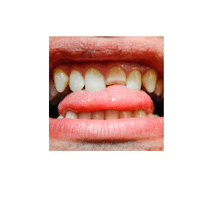
- Upper Incisor
A front cutting tooth located in the upper jaw, used for biting food and supporting facial appearance.
- Lower Incisor
A front tooth in the lower jaw, working with upper incisors to cut food during eating.
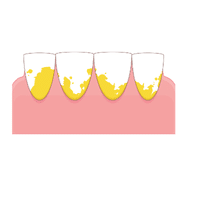
- Upper Canine
A pointed tooth in the upper jaw, used for tearing food and guiding proper bite alignment.
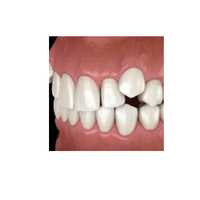
- Lower Canine
A sharp tooth in the lower jaw, helping grip and tear food while stabilizing jaw movement.
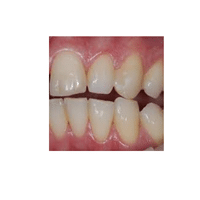
- Lower Molar
A large grinding tooth in the lower jaw, used for crushing and chewing food thoroughly.
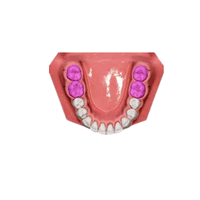
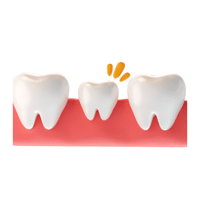
- Small Tooth
A tooth smaller than average, often affecting appearance or spacing, but still performing normal biting or chewing functions.
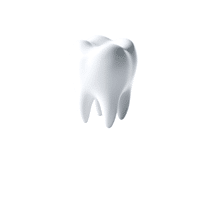
- Large Tooth
A tooth larger than average, providing increased surface area for biting or grinding food.
- Straight Tooth
A tooth that grows in proper alignment without tilting or crowding, supporting efficient chewing and a balanced smile.

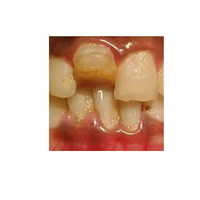
- Curved Tooth
A tooth that bends slightly from its normal position, which may affect alignment, bite, or appearance.
Different Types of Teeth with Names in English and Images
Learn more helpful articles