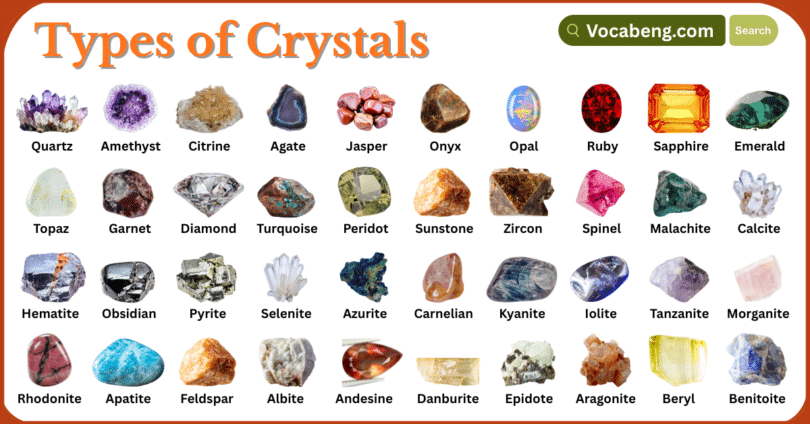

Crystals are naturally occurring or manufactured solids whose atoms or molecules are arranged in an organized, repeating pattern. They come in many varieties, including quartz, amethyst, citrine, fluorite, calcite, and pyrite, each having different colors, shapes, structures, and physical properties. Learning the names of different types of crystals is a useful way to improve English vocabulary while developing a basic understanding of minerals and natural materials. In this article, you will learn crystal names in English with clear pictures, helping kids, students, teachers, collectors, beginners, and English learners easily identify, understand, remember, and use these crystal names with confidence.
List of Crystals with Names
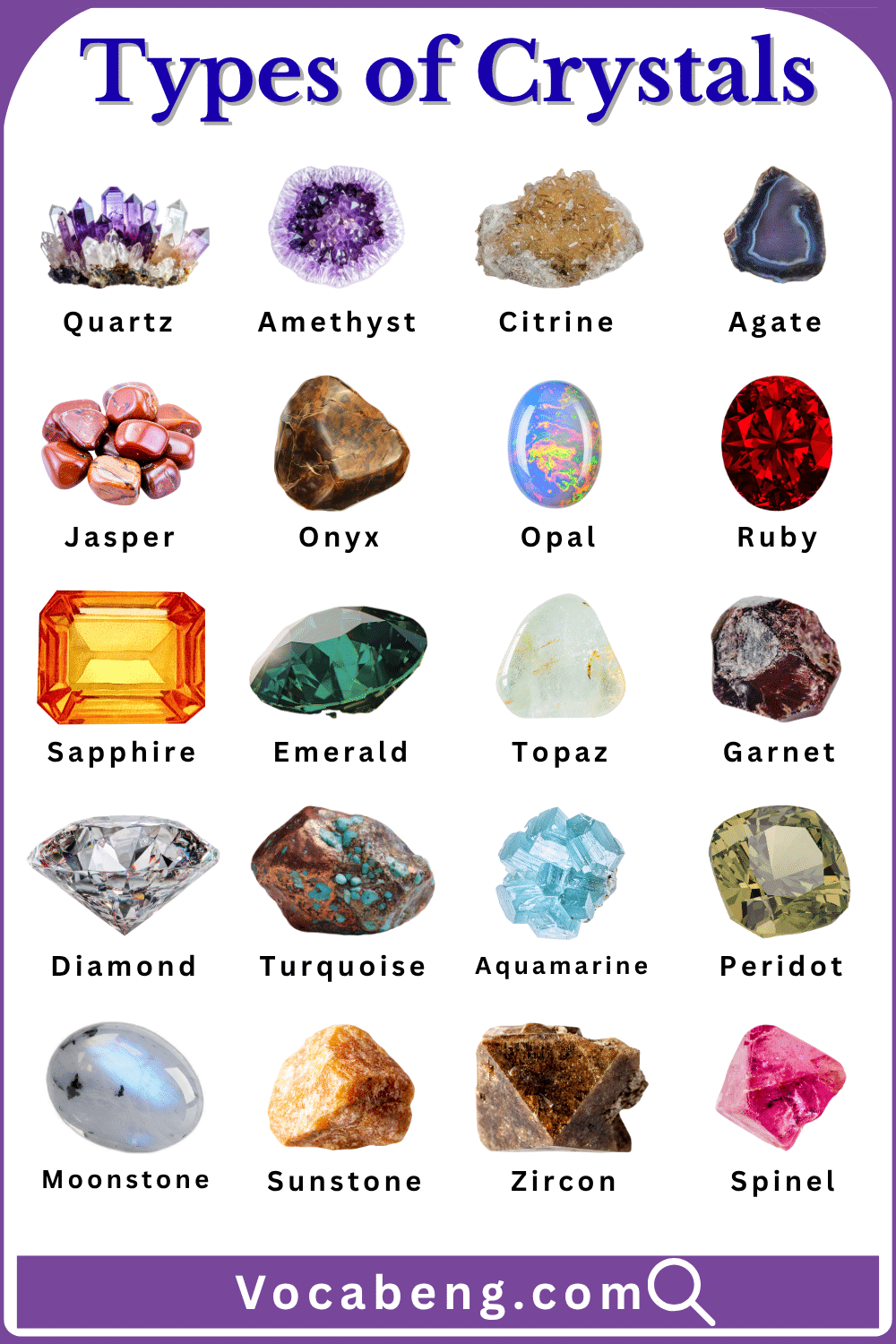
Crystals are solid materials whose atoms, ions, or molecules are arranged in an ordered structure. Common crystal names include quartz, amethyst, citrine, fluorite, calcite, garnet, topaz, and tourmaline.
- Quartz
- Amethyst
- Citrine
- Agate
- Jasper
- Onyx
- Opal
- Ruby
- Sapphire
- Emerald
- Topaz
- Garnet
- Diamond
- Turquoise
- Aquamarine
- Peridot
- Moonstone
- Sunstone
- Zircon
- Spinel
Types of Crystals with Names in English and Pictures
- Quartz
A very common, hard mineral made of silicon dioxide, found in many colors and used in jewelry, watches, and electronics because of its strength and ability to store energy.

- Amethyst
A purple variety of quartz valued as a gemstone, known for its clear to deep violet color, often used in rings and necklaces and associated with calmness and clarity.

- Citrine
A yellow to golden variety of quartz formed by heat inside the Earth, popular in jewelry and appreciated for its bright, sunny color and good durability.

- Agate
A banded variety of chalcedony formed in volcanic rocks, known for its layered patterns and wide range of colors, commonly used in ornaments and decorative items.

- Jasper
An opaque variety of chalcedony that appears in red, yellow, brown, or green colors, valued for its smooth surface and often carved into beads and small sculptures.

- Onyx
A black or banded variety of chalcedony with parallel layers, commonly used in jewelry and decorative carvings due to its polished shine and smooth texture.
- Opal
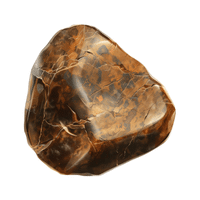
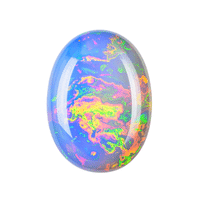
A hydrated silica mineral known for its unique play of colors that shift in light, widely used as a gemstone and valued for its bright, rainbow-like flashes.
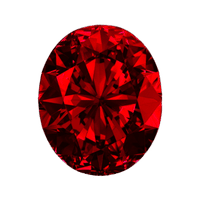
- Ruby
A red variety of corundum colored by chromium, considered one of the most precious gemstones, known for its hardness, brilliance, and deep vibrant red shade.
- Sapphire
A gemstone variety of corundum found in many colors, especially blue, prized for its hardness, clarity, and use in fine jewelry and even watch crystals.

- Emerald
A green variety of beryl colored by chromium or vanadium, valued for its rich color and often containing natural inclusions known as internal garden patterns.

- Topaz
A silicate mineral found in many colors, commonly golden, blue, or pink, used in jewelry and recognized for its clarity, sparkle, and relatively good hardness.

- Garnet
A group of silicate minerals found in red, green, orange, and other colors, commonly used as gemstones and abrasives due to their hardness and durability.

- Diamond
A crystal form of carbon and the hardest natural material, famous for its brilliance and strength, widely used in engagement rings and industrial cutting tools.

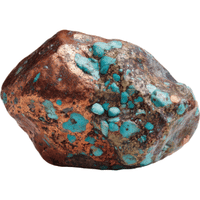
- Turquoise
A blue to green phosphate mineral often found in dry regions, used in traditional jewelry and valued for its smooth texture and distinctive sky-like color.
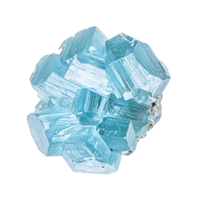
- Aquamarine
A blue to blue-green variety of beryl, named after seawater, valued for its clear appearance, calming color, and frequent use in elegant jewelry designs.
- Peridot
A green gemstone variety of olivine formed deep in the Earth’s mantle, recognized for its olive color and commonly used in rings and pendants.

- Moonstone
A feldspar mineral showing a soft glowing effect called adularescence, usually white or peach in color, widely used in jewelry for its gentle shine.

- Sunstone
A feldspar mineral that displays sparkling reflections due to tiny mineral inclusions, typically orange or reddish in color and often used in decorative jewelry.

- Zircon
A natural mineral available in many colors, known for its brilliance and high refractive index, sometimes confused with synthetic stones but valued as a natural gemstone.

- Spinel
A hard gemstone found in red, pink, blue, and black colors, often mistaken for ruby, appreciated for its clarity and strong, vibrant hues.

Types of Crystals with Names in English and Pictures
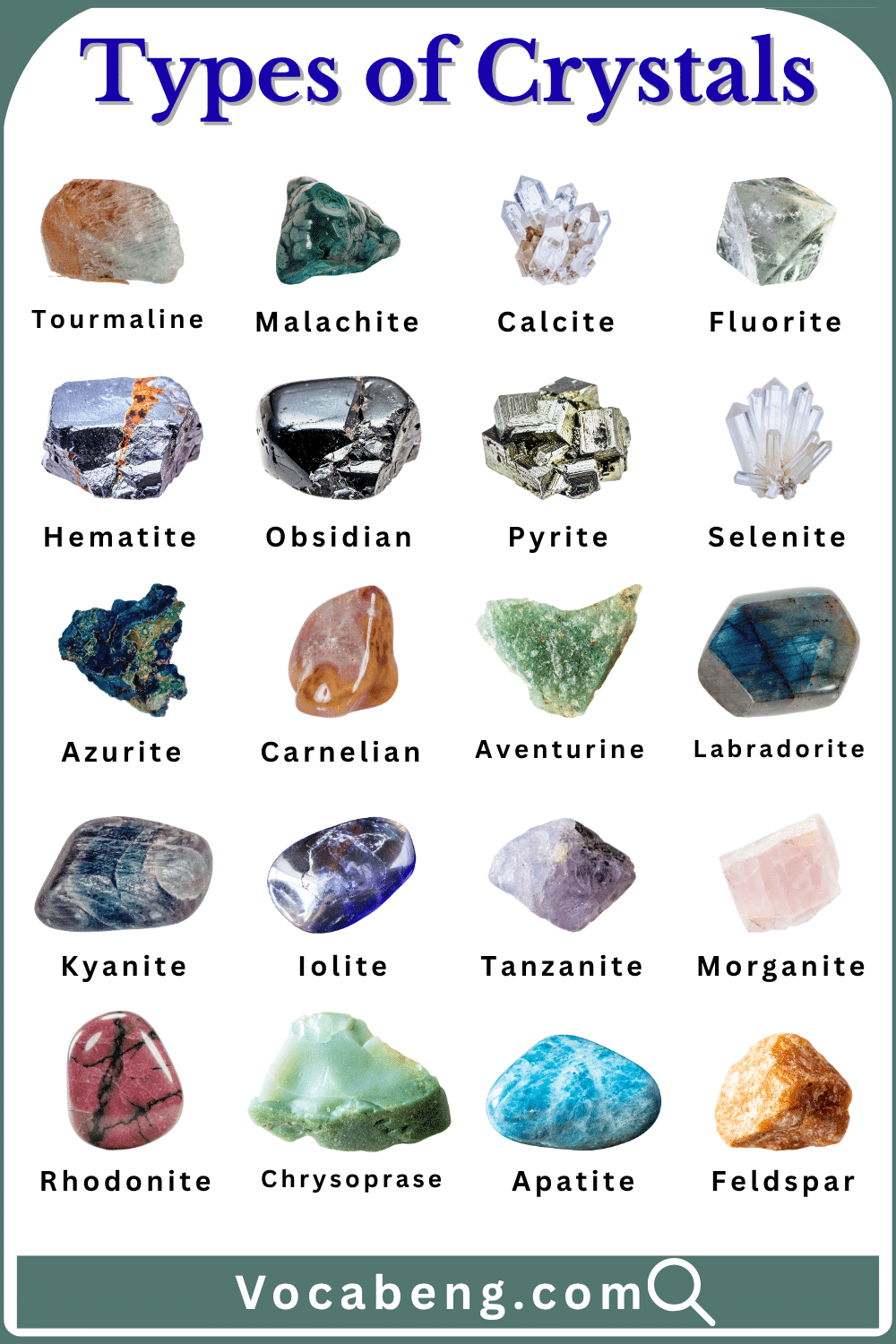
20 Types of Crystals with Names
- Tourmaline
- Malachite
- Calcite
- Fluorite
- Hematite
- Obsidian
- Pyrite
- Selenite
- Azurite
- Carnelian
- Aventurine
- Labradorite
- Kyanite
- Iolite
- Tanzanite
- Morganite
- Rhodonite
- Chrysoprase
- Apatite
- Feldspar
Different Types of Crystals with Names in English and Images
- Tourmaline
A complex mineral group found in almost every color, known for its long crystal shapes and popularity in modern jewelry designs.

- Malachite
A bright green copper carbonate mineral with striking banded patterns, commonly carved into ornaments and used as decorative stones.

- Calcite
A common carbonate mineral found in limestone and marble, known for its wide color range and reaction with weak acids.

- Fluorite
A mineral often purple, green, or blue, known for its glassy shine and fluorescence under ultraviolet light.

- Hematite
An iron oxide mineral with a metallic gray or reddish-brown color, commonly used as an ore of iron and in jewelry.
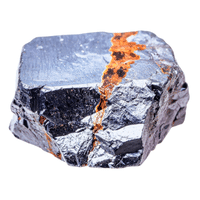
- Obsidian
A natural volcanic glass formed from rapidly cooled lava, usually black and sharp-edged, used historically for tools and decorative pieces.
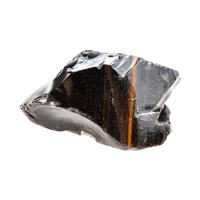
- Pyrite
An iron sulfide mineral with a shiny golden appearance, often called fool’s gold, commonly found in sedimentary and igneous rocks.

- Selenite
A clear or white variety of gypsum with a soft texture, often forming long transparent crystals and used for decorative carvings.

- Azurite
A deep blue copper carbonate mineral often found with malachite, valued for its intense color and use as a pigment.

- Carnelian
A reddish-orange variety of chalcedony, valued in jewelry and ancient carvings for its warm color and smooth polish.

- Aventurine
A variety of quartz containing tiny mineral inclusions that create a sparkling effect, usually green but also found in other colors.

- Labradorite
A feldspar mineral showing bright flashes of blue, green, or gold known as labradorescence, widely used in unique jewelry pieces.
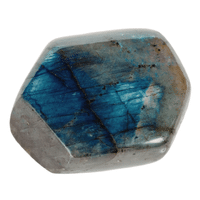
- Kyanite
A blue silicate mineral forming long blade-like crystals, valued by collectors and sometimes used in jewelry.
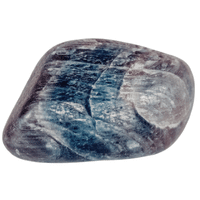
- Iolite
A violet-blue gemstone known for showing different colors when viewed from different angles, used in fine jewelry.

- Tanzanite
A rare blue to violet variety of zoisite found mainly in Tanzania, prized for its rich color and rarity.

- Morganite
A pink to peach variety of beryl, admired for its soft color and commonly used in engagement and fashion jewelry.

- Rhodonite
A pink mineral with black manganese veins, often polished into beads and decorative stones.

- Chrysoprase
A green variety of chalcedony colored by nickel, valued for its apple-green shade and smooth finish.

- Apatite
A phosphate mineral found in many colors, commonly used in fertilizers and occasionally as a gemstone.

- Feldspar
A large group of rock-forming minerals making up much of Earth’s crust, found in igneous and metamorphic rocks.

Different Types of Crystals with Names in English and Images
Common Names of Crystal in English
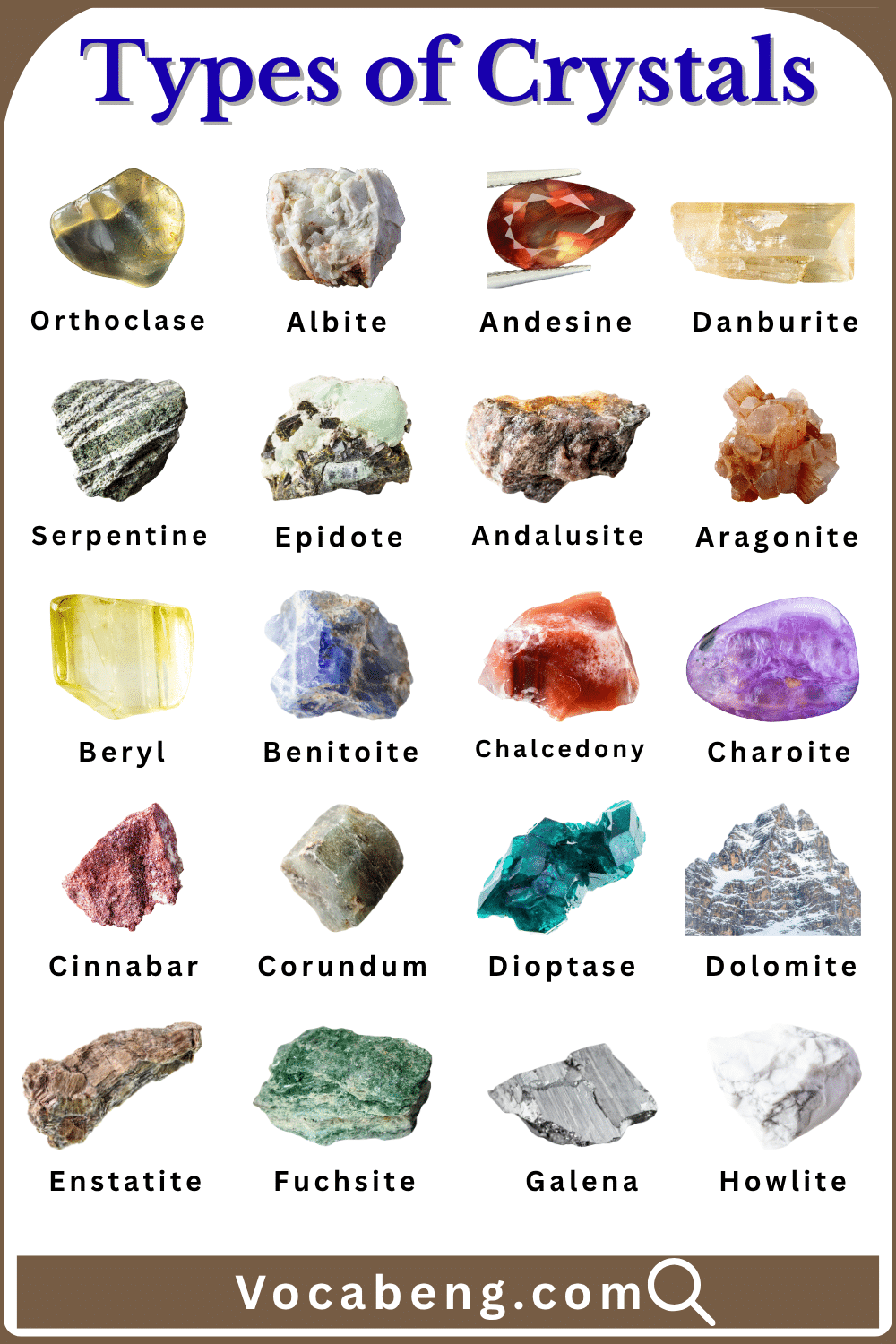
- Orthoclase
- Albite
- Andesine
- Danburite
- Howlite
- Serpentine
- Epidote
- Andalusite
- Aragonite
- Beryl
- Benitoite
- Chalcedony
- Charoite
- Cinnabar
- Corundum
- Dioptase
- Dolomite
- Enstatite
- Fuchsite
- Galena
Most Popular Types of Crystals with Names in English
- Orthoclase
A potassium feldspar mineral commonly found in granite, usually pink or white in color.

- Albite
A sodium-rich feldspar mineral typically white or colorless, often found in granites and pegmatites.
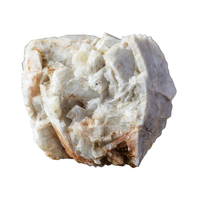
- Andesine
A plagioclase feldspar ranging from red to green, sometimes used as a decorative gemstone.

- Danburite
A clear to white calcium boron silicate mineral with good transparency, occasionally cut as a gemstone.
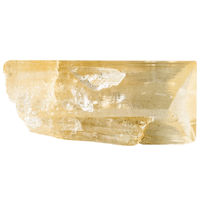
- Howlite
A white borate mineral with gray veining, often dyed to imitate turquoise in jewelry.
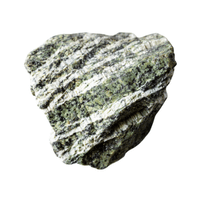
- Serpentine
A group of green minerals formed from alteration of ultramafic rocks, used in carvings and ornaments.

- Epidote
A green silicate mineral commonly found in metamorphic rocks, sometimes used as a collector’s stone.

- Andalusite
A mineral showing different colors in different directions, usually brown, green, or reddish, found in metamorphic rocks.

- Aragonite
A carbonate mineral related to calcite, forming in marine environments and cave deposits.

- Beryl
A mineral species that includes emerald and aquamarine, found in hexagonal crystals and used as gemstones.

- Benitoite
A rare blue barium titanium silicate mineral valued for its bright color and brilliance.

- Chalcedony
A microcrystalline variety of quartz that includes agate and jasper, known for its smooth, waxy surface.

- Charoite
A purple silicate mineral with swirling patterns, mostly found in Russia and used in jewelry.

- Cinnabar
A bright red mercury sulfide mineral, historically used as a pigment and ore of mercury.

- Corundum
A very hard aluminum oxide mineral that includes ruby and sapphire varieties.

- Dioptase
A bright green copper silicate mineral known for its vibrant color and crystal clarity.

- Dolomite
A carbonate mineral composed of calcium magnesium carbonate, commonly found in sedimentary rocks.

- Enstatite
A magnesium silicate mineral belonging to the pyroxene group, found in igneous and metamorphic rocks.

- Fuchsite
A green chromium-rich variety of muscovite mica with a shimmering surface.
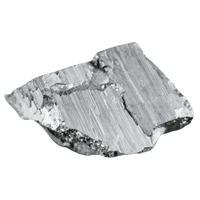
- Galena
A lead sulfide mineral and the main ore of lead, known for its metallic luster.

Most Popular Types of Crystals with Names in English
Learn more helpful articles