

Rocks are natural solid materials that make up a large part of the Earth’s surface. They come in different colors, textures, sizes, and forms, and are created through various natural processes over long periods of time. The three main types of rocks are igneous, sedimentary, and metamorphic rocks, with many different varieties within each group. Learning types of rocks with names in English is a useful way to build vocabulary while understanding more about the natural world and geology. In this article, you will learn different types of rocks with their names in English and pictures, helping kids, students, teachers, and English learners recognize and remember common rocks.
Table of Contents
ToggleCommon Rocks Names in English
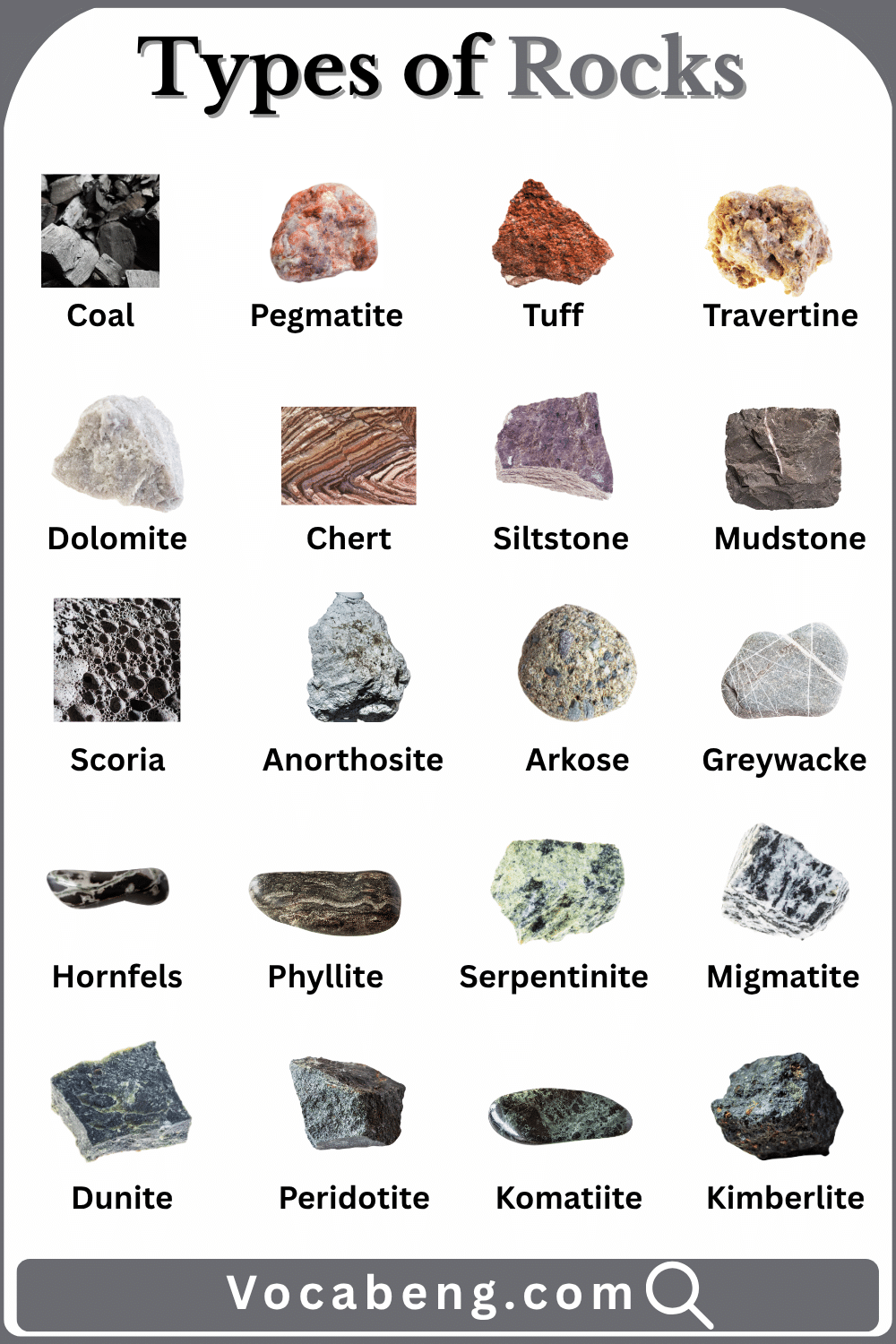
- Coal
- Tuff
- Pegmatite
- Travertine
- Dolomite
- Chert
- Siltstone
- Mudstone
- Scoria
- Anorthosite
- Arkose
- Greywacke
- Hornfels
- Phyllite
- Serpentinite
- Migmatite
- Dunite
- Peridotite
- Komatiite
- Kimberlite
Different Types of Rocks Names in English and Their Images
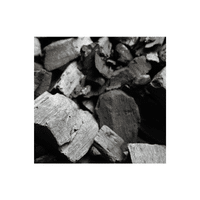
- Coal
Coal is a black or dark brown sedimentary rock formed from ancient plant material under heat and pressure. It is mainly used as a fuel for energy production and contains high amounts of carbon.
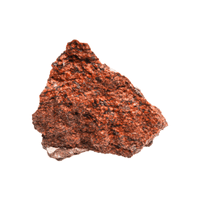
- Tuff
Tuff is a light, porous rock formed from volcanic ash that has been compacted over time. It is often soft and easy to cut, commonly used in construction and landscaping.
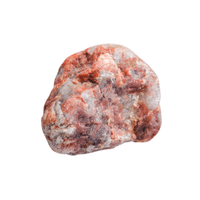
- Pegmatite
Pegmatite is an igneous rock with very large crystals formed during the final stage of magma cooling. It often contains rare minerals and gemstones, making it important for mining and geological study.
- Travertine
Travertine is a type of limestone formed by mineral deposits from hot springs or caves. It has a porous texture and is widely used as a building and decorative stone.
- Dolomite
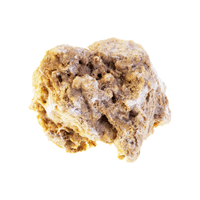
Dolomite is a sedimentary rock composed mainly of the mineral dolomite. It forms in marine environments and is used in construction, agriculture, and as a source of magnesium.
- Chert
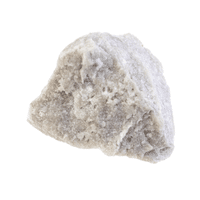
Chert is a hard, fine-grained sedimentary rock made of silica. It often forms in layers and was historically used to make tools due to its ability to break into sharp edges.
- Siltstone
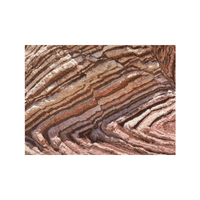
Siltstone is a sedimentary rock formed from compacted silt-sized particles. It has a smooth texture and is commonly found in riverbeds and shallow marine environments where fine sediments settle.

- Mudstone
Mudstone is a fine-grained sedimentary rock made from clay and silt. It forms in calm water environments and has a smooth surface with no visible layering.
- Scoria
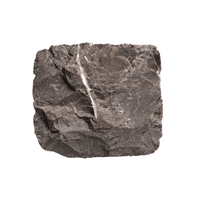
Scoria is a dark, volcanic rock with many gas bubbles trapped inside. It is lightweight and forms during explosive volcanic eruptions, often used in landscaping and construction.

- Anorthosite
Anorthosite is an igneous rock composed mainly of plagioclase feldspar. It forms deep within the Earth’s crust and is also found on the Moon, making it important in geological studies.
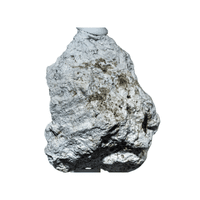
- Arkose
Arkose is a coarse-grained sedimentary rock rich in feldspar and quartz. It forms from the rapid breakdown of granite and is commonly found near mountain regions.
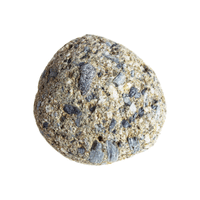
- Greywacke
Greywacke is a dark, coarse sandstone containing a mix of mineral fragments and clay. It forms in deep marine environments and indicates rapid sediment deposition.

- Hornfels
Hornfels is a hard metamorphic rock formed when existing rocks are heated by nearby magma. It has a fine texture and is very durable, often used in construction materials.
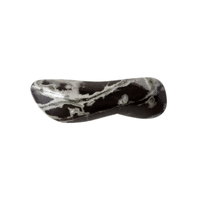
- Phyllite
Phyllite is a metamorphic rock formed from slate under heat and pressure. It has a shiny surface due to fine mineral alignment and is softer than schist.
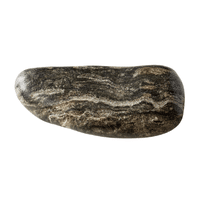
- Serpentinite
Serpentinite is a greenish metamorphic rock formed from the alteration of ultramafic rocks. It contains minerals of the serpentine group and is often associated with tectonic activity.
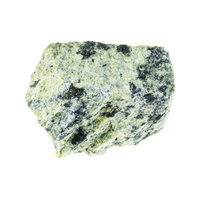
- Migmatite
Migmatite is a mixed rock showing both igneous and metamorphic features. It forms under extreme heat when rocks partially melt, creating a blend of solid and molten textures.
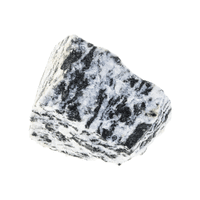
- Dunite
Dunite is an ultramafic igneous rock composed mainly of olivine. It forms deep in the Earth’s mantle and is important for studying mantle composition and geological processes.
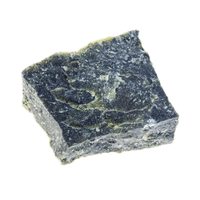
- Peridotite
Peridotite is a dense, coarse-grained igneous rock rich in olivine and pyroxene. It originates from the Earth’s mantle and is a primary source of magma.
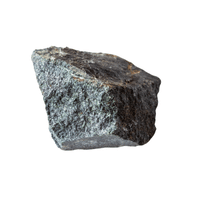
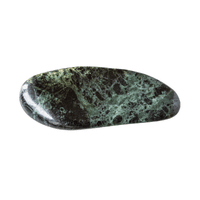
- Komatiite
Komatiite is a rare volcanic rock formed from very hot magma in the early Earth. It contains high magnesium content and provides insight into ancient geological conditions.
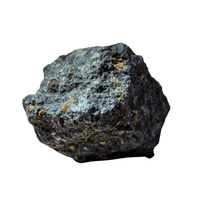
- Kimberlite
Kimberlite is a volcanic rock known for carrying diamonds from deep within the Earth’s mantle to the surface. It forms in narrow pipes and is important in diamond mining.
Different Types of Rocks Names in English and Their Images
List of Rocks with Names in English
- Granite
- Basalt
- Limestone
- Sandstone
- Marble
- Slate
- Obsidian
- Pumice
- Gabbro
- Diorite
- Rhyolite
- Andesite
- Quartzite
- Schist
- Gneiss
- Conglomerate
- Breccia
- Chalk
- Flint
- Shale
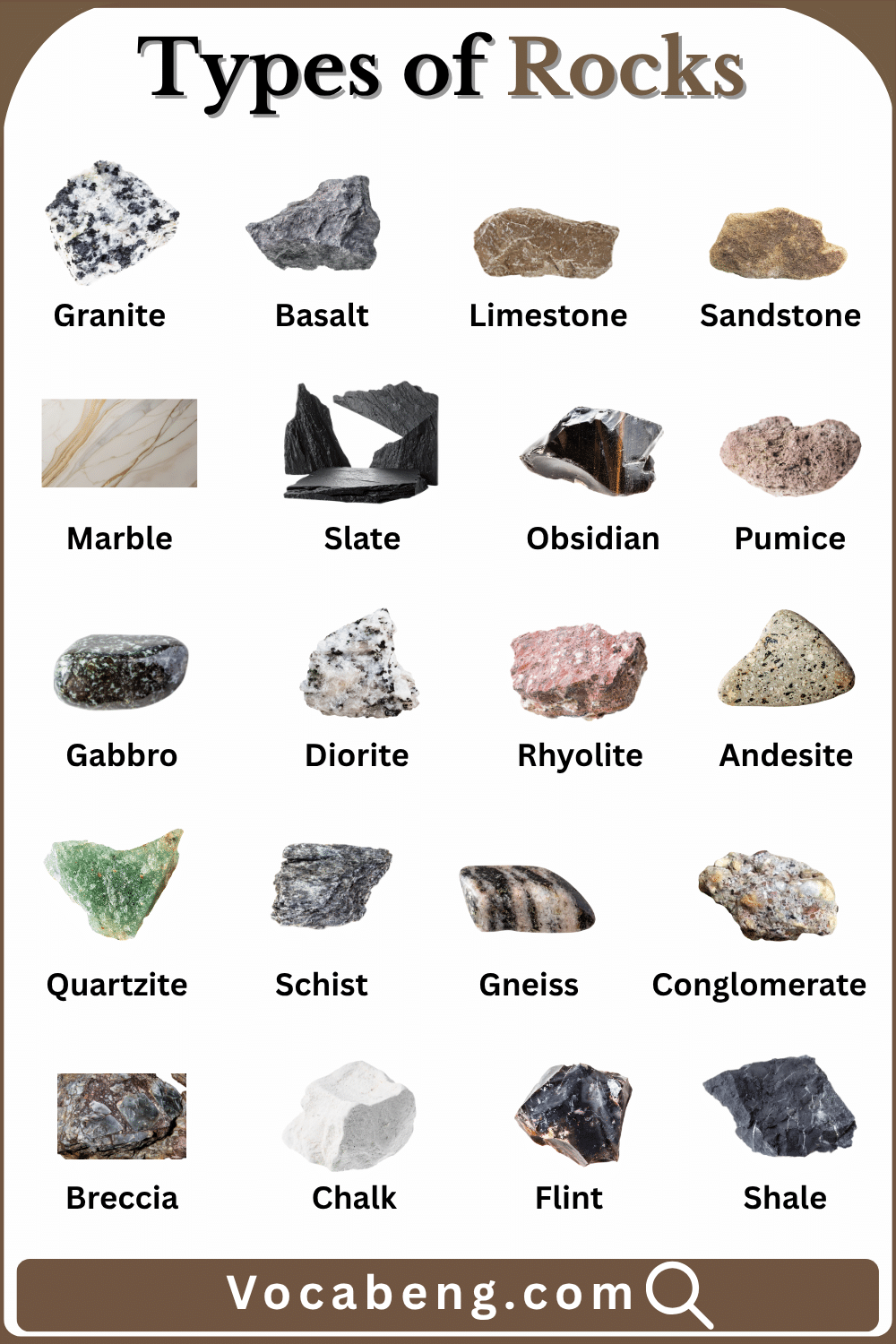
Types of Rocks With Names in English and Pictures
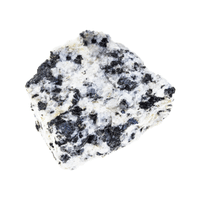
- Granite
Granite is a hard, coarse-grained igneous rock formed from slowly cooled magma beneath the Earth’s surface. It contains minerals like quartz and feldspar and is widely used in construction and decorative stonework.
- Basalt
Basalt is a dark, fine-grained igneous rock formed from rapidly cooled lava. It is commonly found in volcanic regions and ocean floors, and is widely used in road construction and building materials.
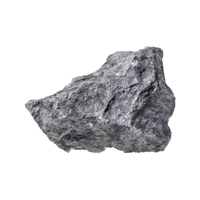
- Limestone
Limestone is a sedimentary rock mainly composed of calcium carbonate. It forms in marine environments from shells and skeletons, and is widely used in construction, cement production, and agriculture.
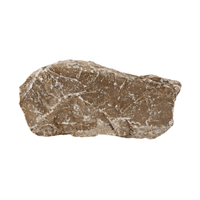
- Sandstone
Sandstone is a sedimentary rock made of compacted sand grains. It forms in deserts, rivers, and beaches, and is commonly used in building, paving, and decorative structures.
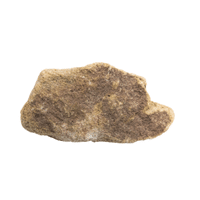
- Marble
Marble is a metamorphic rock formed from limestone under heat and pressure. It has a smooth texture and is widely used in sculpture, flooring, and decorative construction.
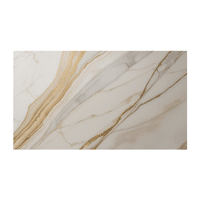
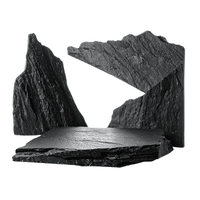
- Slate
Slate is a fine-grained metamorphic rock formed from shale. It splits into thin layers and is commonly used for roofing, flooring, and writing boards.
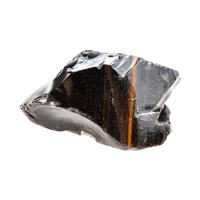
- Obsidian
Obsidian is a natural volcanic glass formed when lava cools very quickly. It has a smooth, shiny surface and was historically used to make sharp tools and ornaments.
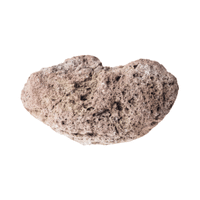
- Pumice
Pumice is a light, porous volcanic rock formed from gas-rich lava. It can float on water and is commonly used for cleaning, polishing, and lightweight construction materials.
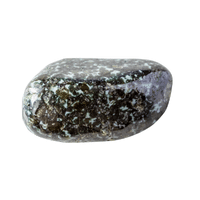
- Gabbro
Gabbro is a coarse-grained igneous rock formed deep beneath the Earth’s surface. It is rich in iron and magnesium and is used in construction and as a decorative stone.
- Diorite
Diorite is a coarse-grained igneous rock with a mix of light and dark minerals. It forms underground and is used in building, road construction, and decorative stonework.
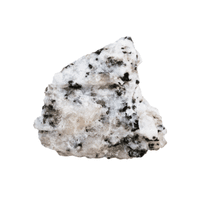
- Rhyolite
Rhyolite is a light-colored igneous rock formed from volcanic lava rich in silica. It cools quickly and is often found in volcanic regions.
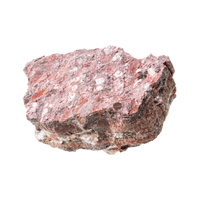
- Andesite
Andesite is a fine-grained volcanic rock formed from lava with moderate silica content. It is commonly found in mountain ranges and volcanic arcs.
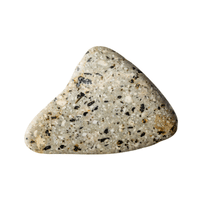
- Quartzite
Quartzite is a hard metamorphic rock formed from sandstone under heat and pressure. It is very durable and used in construction, flooring, and decorative applications.
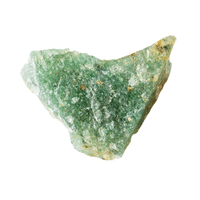
- Schist
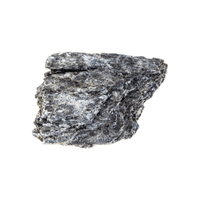
Schist is a metamorphic rock with visible layers of minerals. It forms under high pressure and temperature and is known for its flaky texture.
- Gneiss
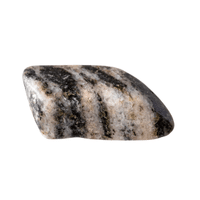
Gneiss is a metamorphic rock with distinct light and dark bands. It forms under intense heat and pressure and is used in construction and as a decorative stone.
- Conglomerate
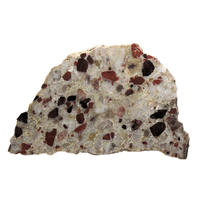
Conglomerate is a sedimentary rock made of rounded stones and gravel held together by cement. It forms in riverbeds and is used in construction.
- Breccia
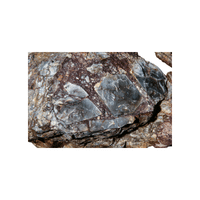
Breccia is a sedimentary rock made of broken, angular rock fragments cemented together. It forms from landslides or volcanic activity and is used as decorative stone.
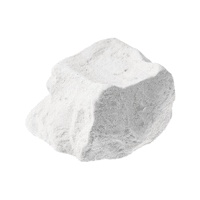
- Chalk
Chalk is a soft, white sedimentary rock made of calcium carbonate. It forms from marine organisms and is used in writing, agriculture, and construction.
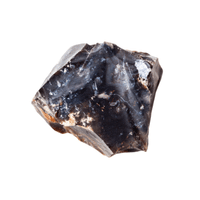
- Flint
Flint is a hard, fine-grained form of chert. It breaks into sharp edges and was historically used for making tools and starting fires.
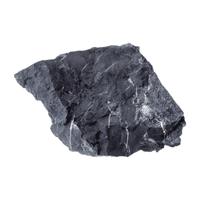
- Shale
Shale is a fine-grained sedimentary rock made from clay and silt. It forms in calm water environments and splits easily into thin layers.
Types of Rocks With Names in English and Pictures
Explore Rock Name in English
- Laterite
- Bauxite
- Ironstone
- Claystone
- Tillite
- Lignite
- Marl
- Coquina
- Oolite
- Evaporite
- Lapilli
- Ignimbrite
- Porphyry
- Diabase
- Skarn
- Novaculite
- Cataclasite
- Mylonite
- Metaconglomerate
- Metasandstone
Learn Name of Rock in English With Their Pictures
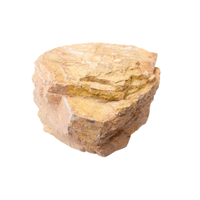
- Laterit
Laterite is a reddish soil-like rock rich in iron and aluminum, formed in hot and wet climates through intense weathering. It is commonly used in construction and is also a source of certain minerals.
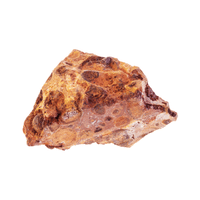
- Bauxite
Bauxite is a sedimentary rock that is the main source of aluminum. It forms in tropical regions through weathering of rocks and contains high amounts of aluminum minerals.
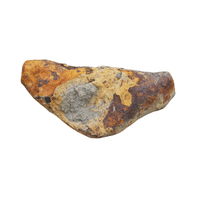
- Ironstone
Ironstone is a sedimentary rock rich in iron minerals. It forms in marine or freshwater environments and is often used as an iron ore for producing steel.
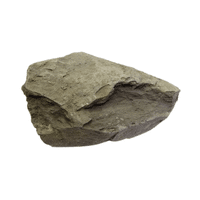
- Claystone
Claystone is a fine-grained sedimentary rock made mostly of clay particles. It forms in calm environments and has a smooth texture, often used in ceramics and construction.
- Tillite
Tillite is a sedimentary rock formed from glacial deposits. It contains a mix of clay, sand, and stones left behind by glaciers and provides evidence of ancient ice ages.
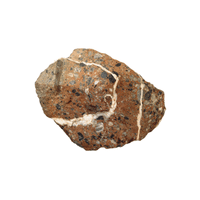
- Lignite
Lignite is a soft, brown form of coal formed from compressed plant material. It has lower carbon content and is mainly used as a fuel for electricity generation.
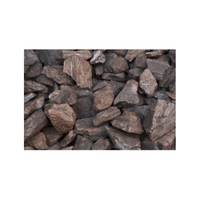
- Marl
Marl is a sedimentary rock made of clay and calcium carbonate. It forms in freshwater or marine environments and is often used in agriculture to improve soil quality.

- Coquina
Coquina is a sedimentary rock composed mainly of broken shell fragments. It forms in coastal areas and is often used as a building material due to its lightweight nature.
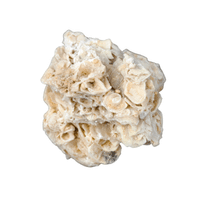
- Oolite
Oolite is a sedimentary rock made of small, rounded grains called ooids. It forms in warm, shallow marine waters and is often used as a building stone.
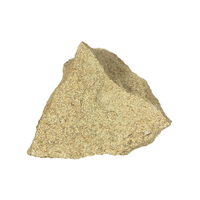
- Evaporite
Evaporite is a sedimentary rock formed when water evaporates, leaving behind minerals like salt and gypsum. It forms in dry environments such as lakes and seas.
- Lapilli
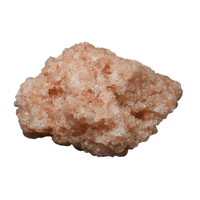
Lapilli are small volcanic rock fragments ejected during eruptions. They range in size and settle around volcanoes, later forming rock layers through compaction.
- Ignimbrite
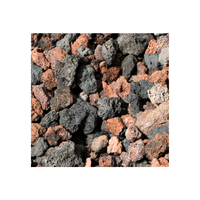
Ignimbrite is a rock formed from volcanic ash and debris deposited by fast-moving hot clouds. It becomes solid after cooling and is common in volcanic regions.
- Porphyry
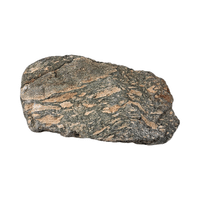
Porphyry is an igneous rock with large crystals set in a fine-grained background. It forms from magma that cools in two stages and is often used as a decorative stone.
- Diabase
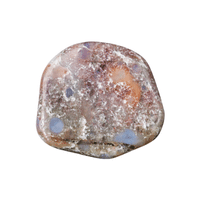
Diabase is a dark, fine to medium-grained igneous rock similar to basalt. It forms beneath the Earth’s surface and is used in construction and road building.
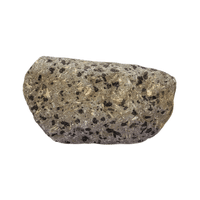
- Skarn
Skarn is a metamorphic rock formed when magma interacts with limestone. It contains valuable minerals and is often associated with ore deposits.
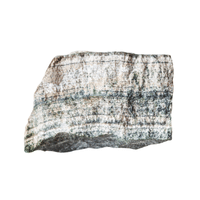
- Novaculite
Novaculite is a hard, fine-grained metamorphic rock made of silica. It is used for sharpening tools and is known for its durability and smooth texture.
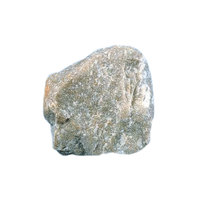
- Cataclasite
Cataclasite is a fault rock formed by crushing of rocks along faults. It has a fragmented texture and forms under low to moderate temperature conditions.
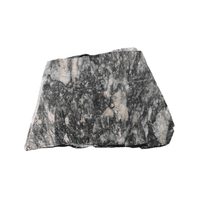
- Mylonite
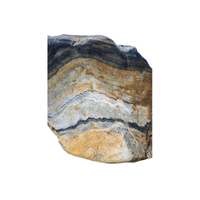
Mylonite is a fine-grained metamorphic rock formed by intense deformation along faults. It develops under high pressure and shows a layered or streaked appearance.
- Metaconglomerate
Metaconglomerate is a metamorphic rock formed from conglomerate. It contains rounded stones that have been compressed and altered by heat and pressure.
- Metasandstone
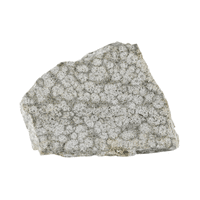
Metasandstone is a metamorphic rock formed from sandstone. It becomes harder and more compact due to heat and pressure, often resembling quartzite in texture.

Learn Name of Rock in English With Their Pictures
Learn more helpful articles