
Types of Lizards with Names in English
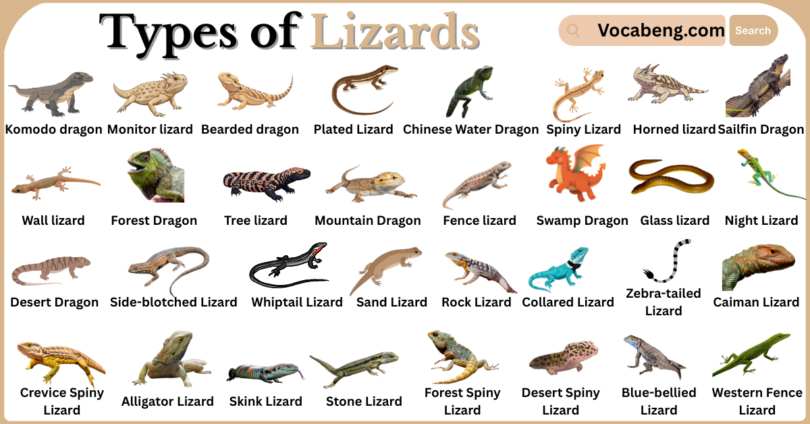
- Komodo dragon
- Bearded dragon
- Plated lizard
- Chinese Water Dragon
- Spiny lizard
- Horned lizard
- Sailfin dragon
- Wall lizard
- Forest dragon
- Tree lizard
- Mountain dragon
- Fence lizard
- Swamp dragon
- Glass lizard
- Night lizard
- Desert dragon
- Side-blotched lizard
- Whiptail lizard
- Sand lizard
Different Types of Lizards Names in English and Pictures
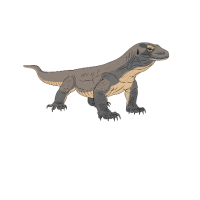
- Komodo dragon
The world’s largest lizard, native to Indonesia. It has powerful limbs, sharp teeth, and venom, hunting deer and pigs, and living in dry forests and grasslands.
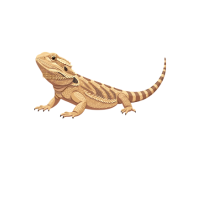
- Bearded dragon
A medium-sized Australian lizard with a spiny throat that darkens when stressed. It is calm, ground-dwelling, eats insects and plants, and basks frequently in sunlight.
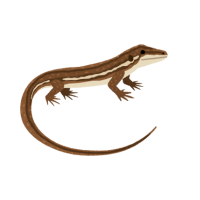
- Plated lizard
A large, flat-bodied lizard with heavy, armor-like scales. Found in Africa, it lives in grasslands and rocky areas, feeding on insects, plants, and small animals.
- Chinese Water Dragon
A bright green lizard native to China and Southeast Asia. It lives near water, swims well, climbs trees, and feeds on insects, small animals, and plants.

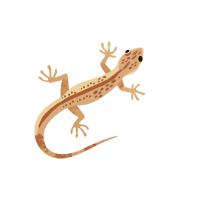
- Spiny lizard
A rough-scaled lizard with pointed, spiny scales for protection. Found mainly in North America, it lives on rocks and trees and feeds on insects.
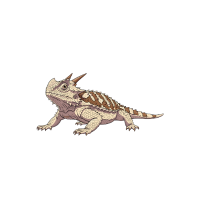
- Horned lizard
A flat-bodied desert lizard with horn-like spikes on its head. It feeds mostly on ants and uses camouflage and defensive behaviors to avoid predators.
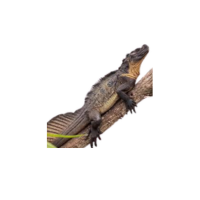
- Sailfin dragon
A large semi-aquatic lizard with a tall sail-like crest. Found in Southeast Asia, it swims strongly, lives near rivers, and eats plants, insects, and small animals.
- Wall lizard
A small, fast-moving lizard commonly seen on walls and rocks. Native to Europe and Asia, it adapts well to human areas and feeds on insects.

- Forest dragon
A tree-dwelling lizard found in tropical forests. It has a slender body, camouflage coloring, climbs well, and feeds mainly on insects and small invertebrates.
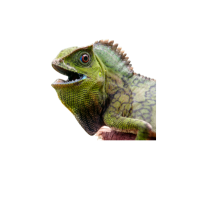
- Tree lizard
A slender lizard adapted for climbing trees and shrubs. Found in warm regions, it uses camouflage, basks on branches, and feeds on insects.
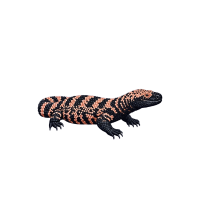
- Mountain dragon
A lizard adapted to cooler, high-altitude habitats. It lives among rocks and vegetation, basks to warm itself, and feeds on insects and small invertebrates.
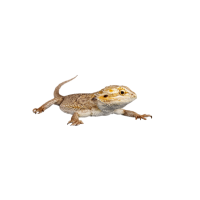
- Fence lizard
A small spiny lizard often seen on fences and logs in North America. It basks in sunlight, has rough scales, and feeds mainly on insects.
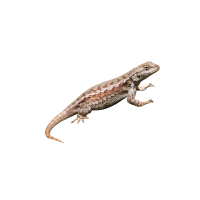
- Swamp dragon
A lizard adapted to wet, marshy environments. It lives near water, swims when needed, and feeds on insects, small animals, and aquatic prey.
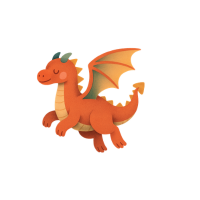
- Glass lizard
A legless lizard resembling a snake but with eyelids and ear openings. It can shed its tail to escape predators and feeds on insects and small animals.
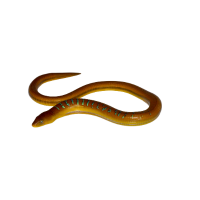
- Night lizard
A secretive lizard active mostly at night. Found in the Americas, it hides under rocks or bark during day and feeds on insects and small invertebrates.

- Desert dragon
A lizard adapted to dry desert climates. It tolerates extreme heat, shelters in burrows or shade, and feeds mainly on insects and sparse vegetation.
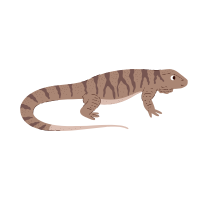
- Side-blotched lizard
A small, fast lizard with a dark spot behind each front leg. Found in North American deserts, it feeds on insects and shows varied behaviors.
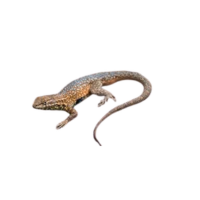
- Whiptail lizard
A slender, fast-running lizard with a long tail. Found in the Americas, it is active in sunlight and feeds mainly on insects and small invertebrates.
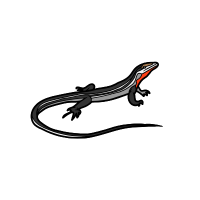
- Sand lizard
A medium-sized lizard found in sandy habitats of Europe and Asia. It burrows easily, basks often, and feeds on insects and small arthropods.
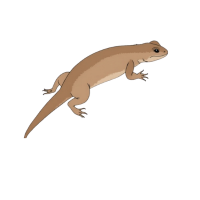

Different Types of Lizards Names in English and Pictures
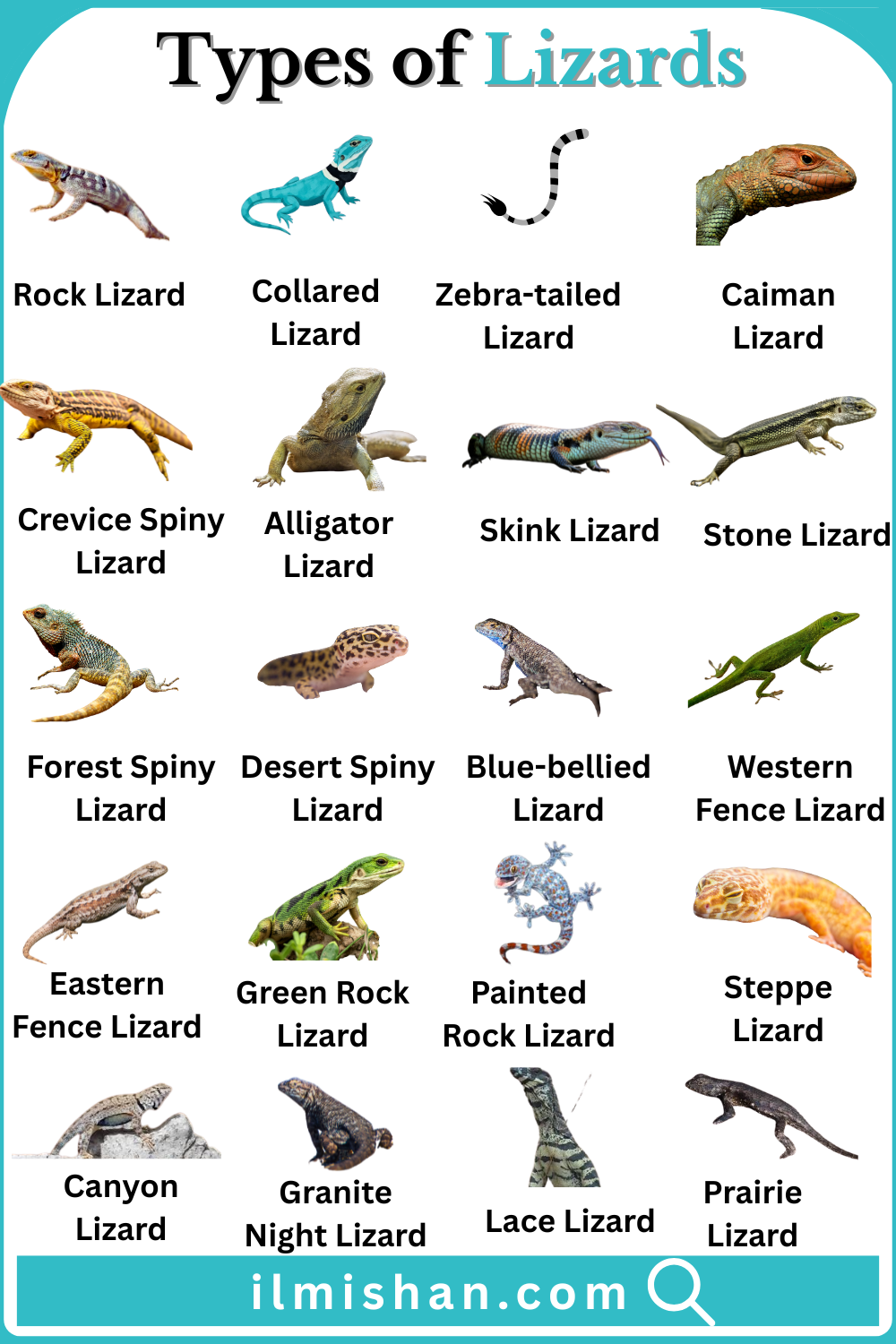
Lizard Name List in English
- Rock Lizard
- Collared Lizard
- Zebra-tailed Lizard
- Caiman Lizard
- Crevice Spiny Lizard
- Alligator Lizard
- Skink Lizard
- Stone Lizard
- Forest Spiny Lizard
- Desert Spiny Lizard
- Blue-bellied Lizard
- Western Fence Lizard
- Eastern Fence Lizard
- Green Rock Lizard
- Painted Rock Lizard
- Steppe Lizard
- Canyon Lizard
- Granite Night Lizard
- Lace Lizard
- Prairie Lizard
Common Types of Lizards Breeds Names in English
- Rock Lizard
A rock lizard is a fast-moving reptile commonly found on rocky hills, cliffs, and dry areas. It uses strong legs and sharp claws for climbing. This lizard feeds on insects and hides between stones for safety and protection.
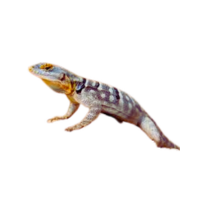
- Collared Lizard
A collared lizard is a colorful reptile known for the dark collar-like bands around its neck. It lives in dry rocky regions and hunts insects and small animals. This lizard can run quickly on its back legs when escaping danger.
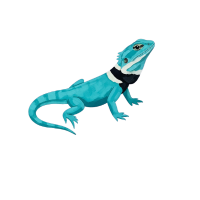
- Zebra-tailed Lizard
A zebra-tailed lizard is recognized by its striped tail that looks similar to zebra patterns. It lives in deserts and sandy regions. This active reptile uses speed and quick movements to escape predators and catch small insects.

- Caiman Lizard
A caiman lizard is a large semi-aquatic reptile mainly found near rivers and wetlands in South America. It has rough scales similar to a caiman. This strong lizard feeds mostly on snails, insects, and other small water animals.
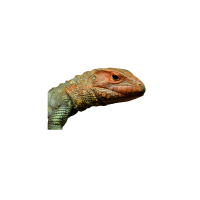
- Crevice Spiny Lizard
A crevice spiny lizard is a rough-scaled reptile that lives in rocky cracks and narrow spaces. Its flattened body helps it hide from predators. This lizard mainly feeds on insects and enjoys warm sunny areas during daytime activities.
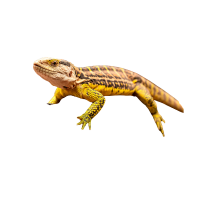
- Alligator Lizard
An alligator lizard is a long-bodied reptile with tough scales and a shape similar to a small alligator. It lives in forests, grasslands, and rocky habitats. This lizard eats insects, spiders, and other tiny creatures for survival.
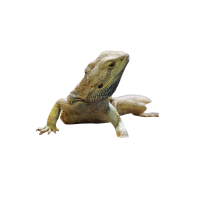
- Skink Lizard
A skink lizard is a smooth-scaled reptile with a shiny body and short legs. Many skinks can move quickly through grass or soil. They commonly feed on insects, worms, and small invertebrates found in warm natural environments.
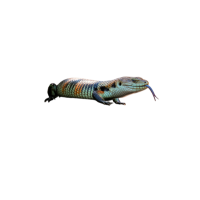
- Stone Lizard
A stone lizard is a small reptile commonly seen around stones, rocky walls, and dry landscapes. Its body color often matches nearby rocks for camouflage. This lizard survives by eating insects and hiding quickly from natural predators.
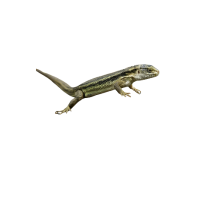
- Forest Spiny Lizard
A forest spiny lizard is a rough-scaled reptile that lives in wooded and forested habitats. It spends time climbing trees and rocks while searching for insects. Its spiny scales provide protection from predators in wild environments.
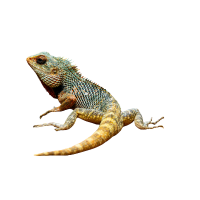
- Desert Spiny Lizard
A desert spiny lizard is adapted to hot and dry desert conditions. It has rough protective scales and strong climbing abilities. This reptile usually feeds on insects and remains active during warm daylight hours in rocky desert areas.
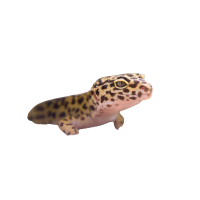
- Blue-bellied Lizard
A blue-bellied lizard is a small reptile famous for the bright blue color on its underside. It is commonly found in grassy and rocky habitats. This lizard feeds on insects and often basks under sunlight for warmth.
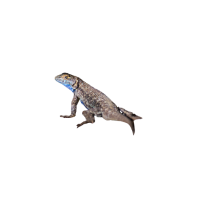
- Western Fence Lizard
A western fence lizard is a common reptile found in forests, grasslands, and rocky places of western North America. It has rough scales and quick movements. This lizard mainly eats insects and enjoys resting on fences or rocks.
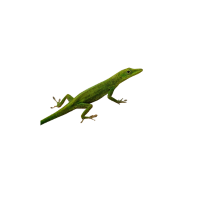
- Eastern Fence Lizard
An eastern fence lizard is a rough-scaled reptile native to eastern regions of North America. It often lives on tree trunks, fences, and logs. This insect-eating lizard uses camouflage and fast movement to avoid predators effectively.
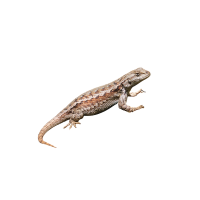
- Green Rock Lizard
A green rock lizard is a brightly colored reptile commonly found in rocky mountainous areas. Its green body helps it blend with plants and mossy stones. This agile lizard feeds mainly on insects and enjoys sunny environments.
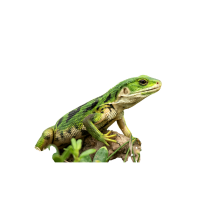
- Painted Rock Lizard
A painted rock lizard is known for its colorful patterns and attractive markings across the body. It usually lives among rocks and dry landscapes. This reptile feeds on insects and uses natural camouflage for protection from predators.
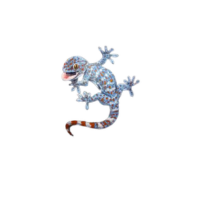
- Steppe Lizard
A steppe lizard is a reptile adapted to open grasslands and dry plains called steppes. It moves quickly across the ground while searching for insects. This lizard survives well in warm climates with little vegetation and shelter.
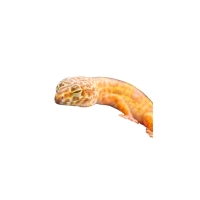
- Canyon Lizard
A canyon lizard is a small reptile commonly found in rocky canyons, cliffs, and desert valleys. Its flat body helps it move through narrow spaces. This lizard feeds on insects and stays active during warm daytime conditions.
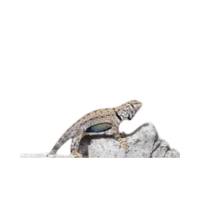
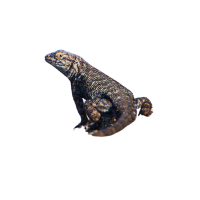
- Granite Night Lizard
A granite night lizard is a secretive reptile that lives in rocky granite areas and remains active mostly at night. It hides in cracks during the day. This lizard feeds on insects and prefers cool sheltered environments.
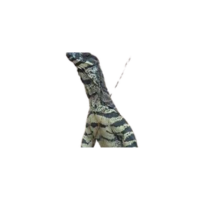
- Lace Lizard
A lace lizard is a patterned reptile known for its lace-like markings across the body. It commonly lives in rocky and dry habitats. This active lizard feeds on insects and uses speed and camouflage for protection.
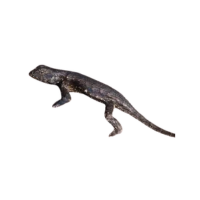
- Prairie Lizard
A prairie lizard is a small reptile commonly found in open prairies, grasslands, and dry fields. It enjoys warm sunlight and hunts insects for food. This lizard uses quick movement and natural colors to avoid predators effectively.
Common Types of Lizards Breeds Names in English
Difference Between Lizards and Snakes
| Lizards | Snakes |
|---|---|
| Usually have four legs | No legs |
| Movable eyelids | No movable eyelids |
| External ear openings | No visible ears |
| Can often regrow tails | Cannot regrow tails |
| Usually shorter body | Long body |
Where Do Lizards Live?
Lizards are found almost everywhere except Antarctica. Different species prefer different habitats.
- Rainforests
- Deserts
- Mountains
- Grasslands
- Wetlands
- Gardens
- Houses
- Rocky areas
What Do Lizards Eat?
The diet of a lizard depends on its species.
Insect Eating Lizards
- Ants
- Flies
- Beetles
- Crickets
- Spiders
Plant Eating Lizards
- Leaves
- Flowers
- Fruits
- Vegetables
Meat Eating Lizards
- Birds
- Fish
- Eggs
- Frogs
- Small mammals
Importance of Lizards
Lizards play an important role in maintaining healthy ecosystems.
- Control insect populations
- Help balance food chains
- Serve as food for larger animals
- Some help spread seeds
- Support scientific research
Interesting Facts About Lizards
- There are more than 7,000 known species of lizards.
- Geckos can walk on walls and ceilings.
- Chameleons move both eyes independently.
- Komodo Dragons are the world’s largest lizards.
- Basilisk Lizards can run across water.
- Some lizards can regrow their tails after losing them.
- Most lizards are harmless to humans.
Vocabulary Related to Lizards
| Word | Meaning |
|---|---|
| Reptile | A cold-blooded animal with scales |
| Habitat | Natural place where an animal lives |
| Scales | Hard covering on a reptile’s body |
| Tail | The long back part of an animal |
| Venom | Poison used by certain animals |
| Camouflage | Blending into surroundings |
| Predator | Animal that hunts others |
| Prey | Animal hunted by predators |
| Cold-blooded | Body temperature depends on the environment |
| Claws | Sharp nails used for climbing and catching prey |
Tips for Learning Lizard Names in English
- Learn a few names every day.
- Match each lizard with its picture.
- Practice the pronunciation aloud.
- Group lizards by their habitat.
- Use flashcards for revision.
- Watch wildlife documentaries to hear the names in context.
Learn More Helpful Articles