
Eggs are one of the most common and useful foods around the world. People use them in breakfast, baking, desserts, fast food, and traditional dishes. But many readers don’t realize that eggs are not all the same — they come from different birds and animals, and each type has its own name, size, taste, and use in cooking. Knowing the different types of eggs with Names in English helps you understand recipes better, choose the right egg for your meal, and improve general food knowledge. In this article, you will learn about various types of eggs with their English names, explained in a simple and clear way so anyone can easily understand and remember them.
What Are Eggs?
Eggs are natural oval-shaped objects laid by female birds, reptiles, fish, and some other animals. They contain a developing embryo and provide all the nutrients needed for its growth. Many types of eggs, especially bird eggs, are also eaten as healthy food because they are rich in protein, vitamins, and minerals.
In everyday English, the word egg usually refers to a chicken egg, but many other animals also lay eggs that people eat.
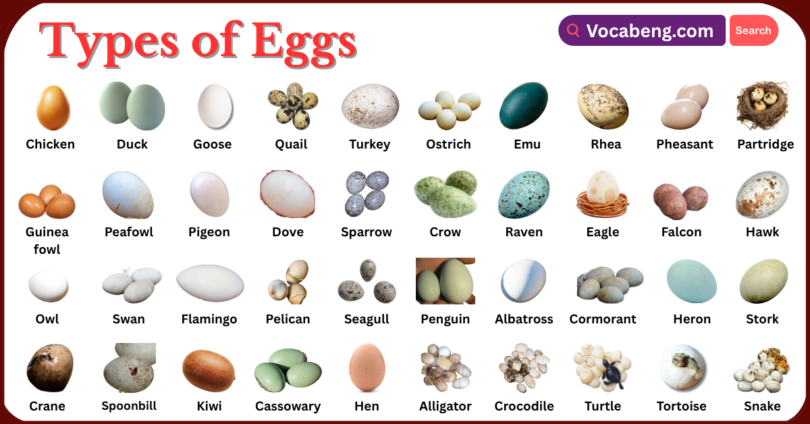
List of Eggs Names in English
- Chicken egg
- Duck egg
- Goose egg
- Quail egg
- Turkey egg
- Ostrich egg
- Emu egg
- Rhea egg
- Pheasant egg
- Partridge egg
- Guinea fowl egg
- Peafowl egg
- Pigeon egg
- Dove egg
- Sparrow egg
- Crow egg
- Raven egg
- Eagle egg
- Falcon egg
- Hawk egg
Types of Egg for Cooking with Name in English and Pictures
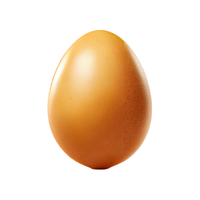
- Chicken egg
An oval, hard-shelled egg laid by hens, commonly eaten worldwide and used for food, baking, and cooking.
- Duck egg
A larger, richer egg laid by ducks, known for its thick shell, higher fat content, and stronger flavor.
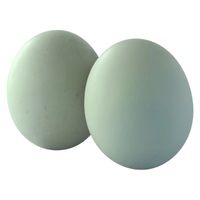
- Goose egg
A very large egg laid by geese, with a thick shell and rich yolk, traditionally used in cooking and baking.
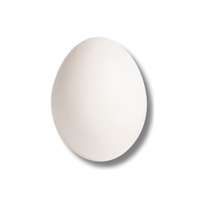
- Quail egg
A small, speckled egg laid by quails, often boiled and eaten as a delicacy in many cultures.
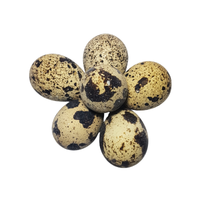
- Turkey egg
A medium-to-large egg laid by turkeys, similar to chicken eggs but less commonly consumed.
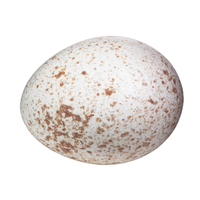
- Ostrich egg
The world’s largest egg, laid by ostriches, with an extremely hard shell and enough yolk to feed many people.
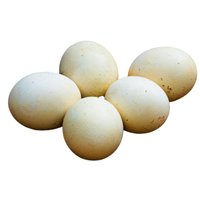
- Emu egg
A large, dark green egg laid by emus, valued for its thick shell and high nutritional content.
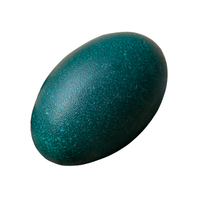
- Rhea egg
A large egg laid by rheas, similar to ostrich eggs but smaller, with a hard shell.
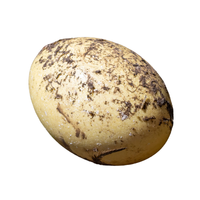
- Pheasant egg
A small, slightly tinted egg laid by pheasants, commonly used in gourmet cooking.
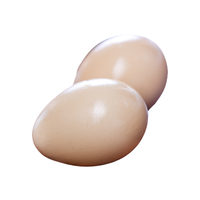
- Partridge egg
A small egg laid by partridges, delicate in flavor and sometimes used in traditional dishes.
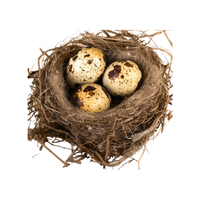
- Guinea fowl egg
A small, very hard-shelled egg laid by guinea fowl, rich in nutrients and flavor.
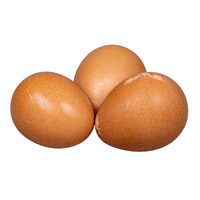
- Peafowl egg
A large egg laid by peahens, similar to turkey eggs but rarely eaten.

- Pigeon egg
A small, white egg laid by pigeons, usually kept in nests and rarely harvested for food.
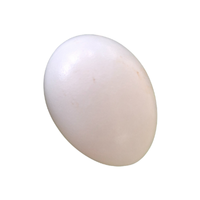
- Dove egg
A small, smooth white egg laid by doves, typically incubated by both parents.
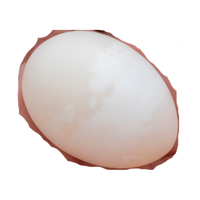
- Sparrow egg
A tiny, speckled egg laid by sparrows, usually hidden in nests for protection.
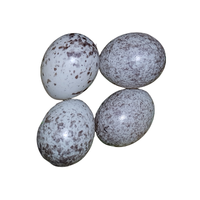
- Crow egg
A medium-sized egg laid by crows, usually bluish or greenish with dark markings.

- Raven egg
A large egg laid by ravens, similar to crow eggs but bigger and darker.
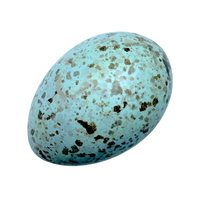
- Eagle egg
A large, strong-shelled egg laid by eagles, carefully protected in high nests.
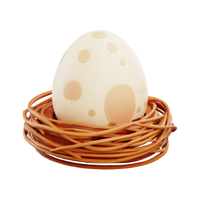
- Falcon egg
A medium-sized egg laid by falcons, often reddish-brown and incubated on cliffs.
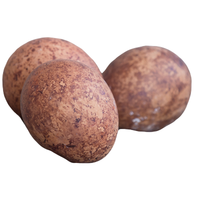
- Hawk egg
A pale-colored egg laid by hawks, usually found in tree nests.
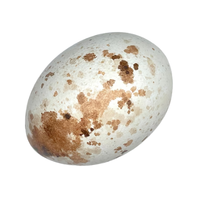

Types of Egg for Cooking with Name in English and Pictures
Common Eggs Names List in English
- Owl egg
- Swan egg
- Flamingo egg
- Pelican egg
- Seagull egg
- Penguin egg
- Albatross egg
- Cormorant egg
- Heron egg
- Stork egg
- Crane egg
- Ibis egg
- Spoonbill egg
- Kiwi egg
- Cassowary egg
- Hen egg
- Rooster fertilized egg
- Alligator egg
- Crocodile egg
- Turtle egg
Different Types of Eggs with Names in English and Images
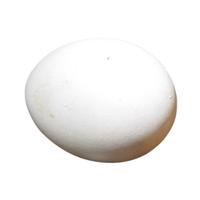
- Owl egg
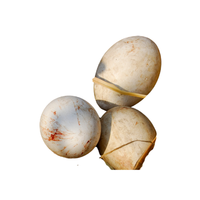
A white, round egg laid by owls, typically laid in sheltered nesting places.
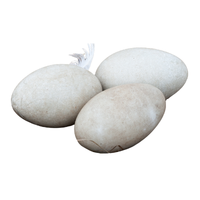
- Swan egg
A large white egg laid by swans, incubated in nests near water.
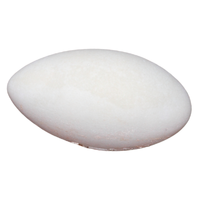
- Flamingo egg
A single chalky white egg laid by flamingos on mud mound nests.
- Pelican egg
A large egg laid by pelicans, incubated by both parents in colonies.
- Seagull egg
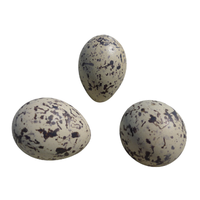
A speckled egg laid by seagulls, commonly found near coastal areas.
- Penguin egg
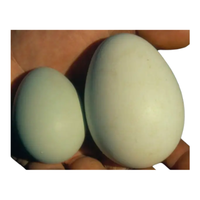
A thick-shelled egg laid by penguins, carefully balanced on feet or nests in cold regions.
- Albatross egg
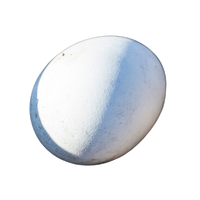
A single large egg laid by albatrosses, slowly incubated over long periods.
- Cormorant egg
A pale blue egg laid by cormorants, usually found in colonies near water.
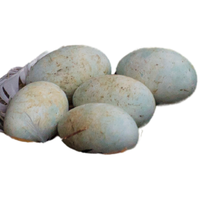
- Heron egg
A light blue egg laid by herons, placed in large nests called rookeries.
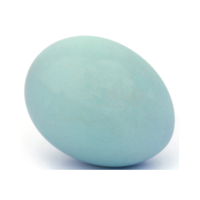
- Stork egg
A large white egg laid by storks, often incubated on rooftops or tall structures.
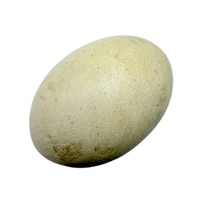
- Crane egg
A speckled egg laid by cranes, usually found in wetland nests.
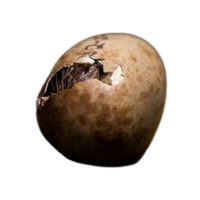
- Ibis egg
An oval egg laid by ibises, typically found in trees near wetlands.
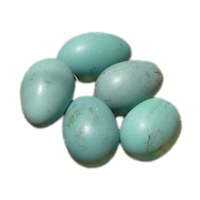
- Spoonbill egg
A white egg laid by spoonbills, incubated in nests built over water.
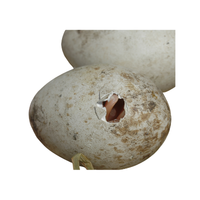
- Kiwi egg
An extremely large egg relative to body size, laid by kiwis underground.
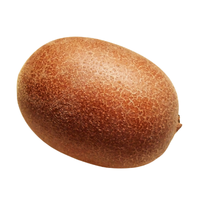
- Cassowary egg
A large green egg laid by cassowaries, incubated by the male bird.

- Hen egg
A common farm egg laid by female chickens, widely used as human food.
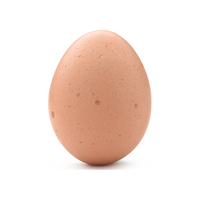
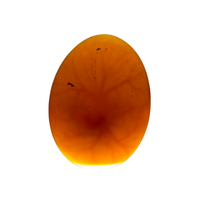
- Rooster fertilized egg
An egg fertilized by a rooster, capable of developing into a chick under proper conditions.
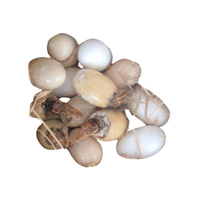
- Alligator egg
A leathery egg laid by alligators in nests made from vegetation.
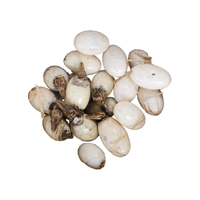
- Crocodile egg
A hard-shelled egg laid by crocodiles, buried in sand or soil for incubation.
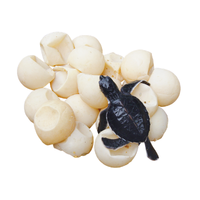
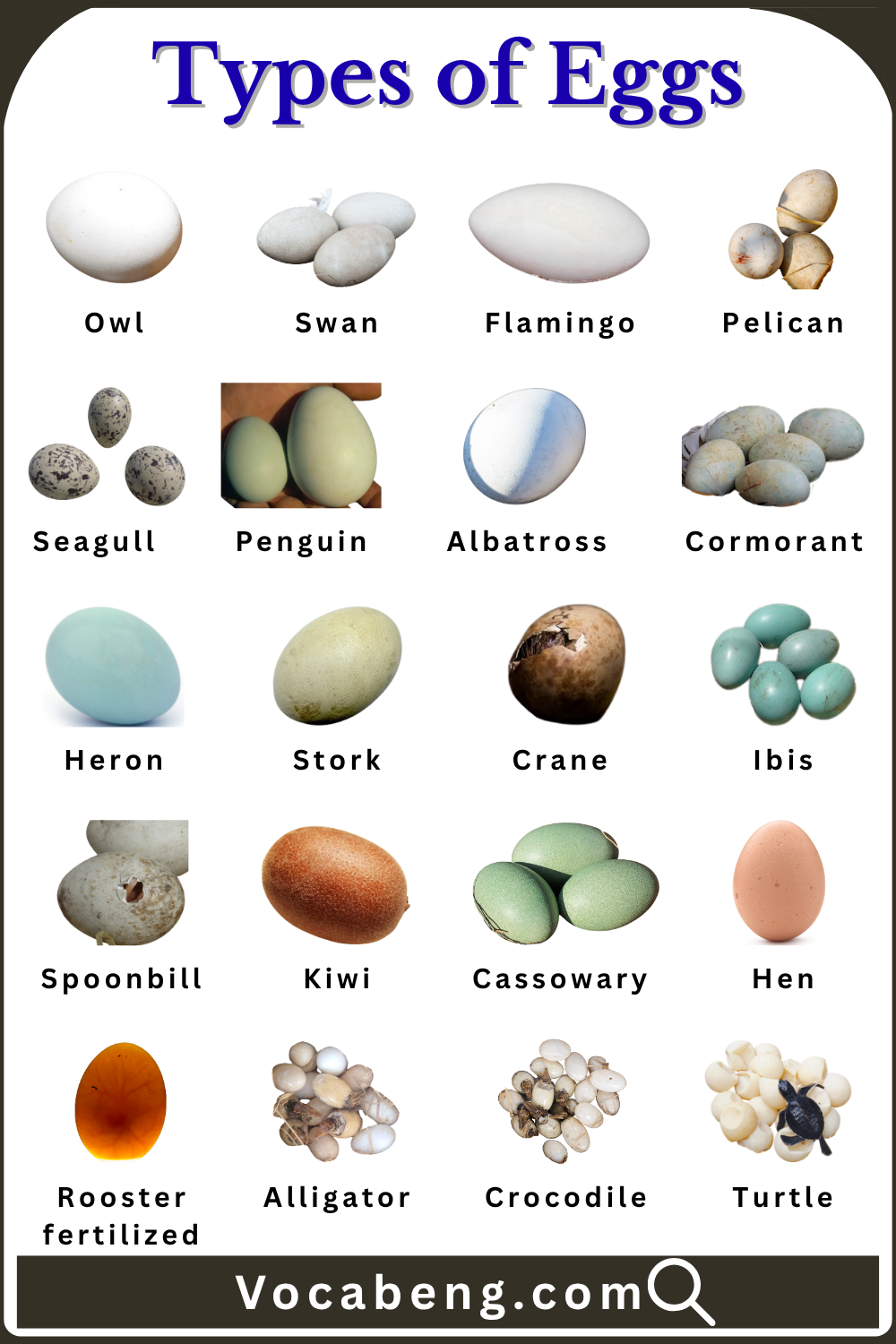
- Turtle egg
A soft, round egg laid by turtles, usually buried in sand.
Different Types of Eggs with Names in English and Images
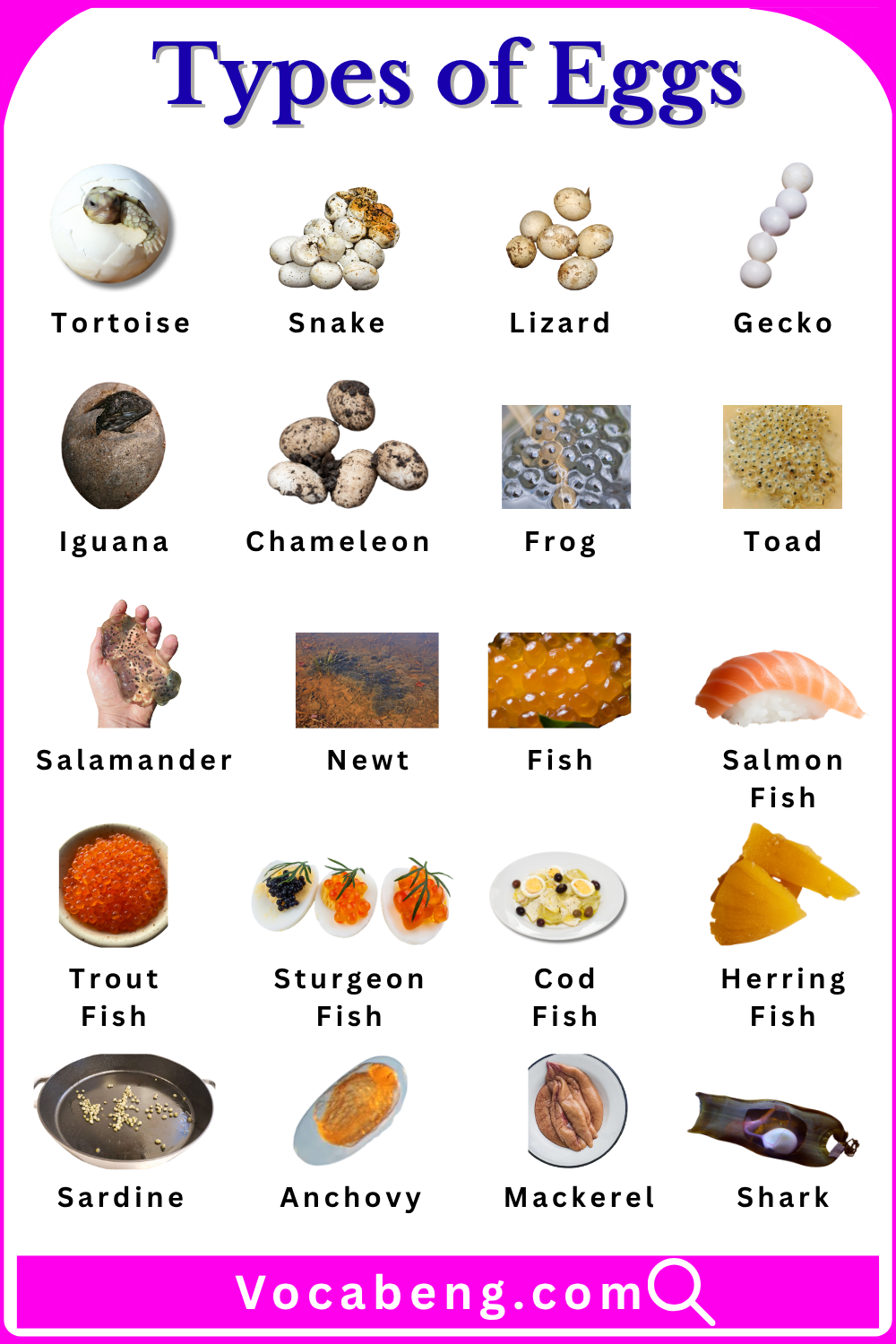
20 Names of Eggs in English
- Tortoise egg
- Snake egg
- Lizard egg
- Gecko egg
- Iguana egg
- Chameleon egg
- Frog egg
- Toad egg
- Salamander egg
- Newt egg
- Fish egg
- Salmon egg
- Trout egg
- Sturgeon egg
- Cod egg
- Herring egg
- Sardine egg
- Anchovy egg
- Mackerel egg
- Shark egg
Common Types of Eggs with Names in English
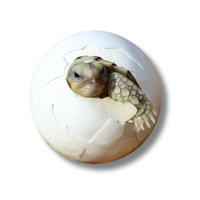
- Tortoise egg
A small, hard-shelled egg laid by tortoises on land.
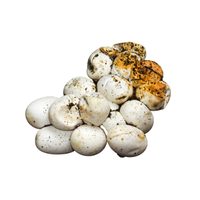
- Snake egg
A leathery or soft-shelled egg laid by many snake species, often hidden.
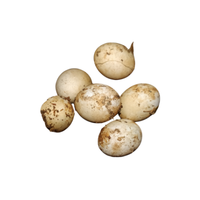
- Lizard egg
A small, soft egg laid by lizards, typically buried in soil.
- Gecko egg
A hard, round egg laid by geckos, often attached to surfaces.
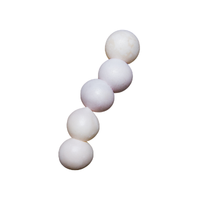
- Iguana egg
A leathery egg laid by iguanas, buried in warm soil.

- Chameleon egg
A small egg laid by chameleons, buried to protect from predators.
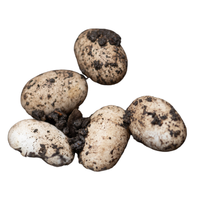
- Frog egg
A jelly-like egg laid by frogs in water, often in clusters.

- Toad egg
A long, string-like egg mass laid by toads in water.
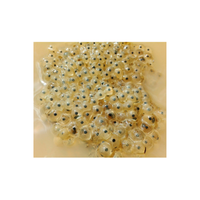
- Salamander egg
A soft egg laid by salamanders, often attached to underwater plants.
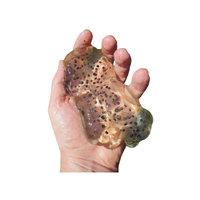
- Newt egg
A single egg wrapped in plant leaves by newts for protection.
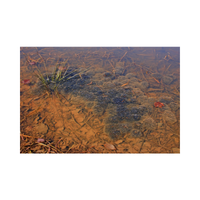
- Fish egg
A small egg laid by fish, usually fertilized in water.

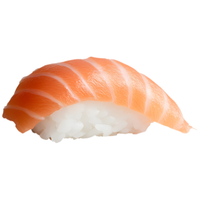
- Salmon egg
A bright orange fish egg, laid in freshwater streams.
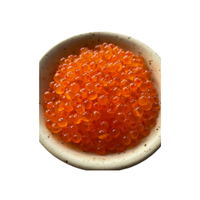
- Trout egg
A small, round egg laid by trout, developing in cold water.
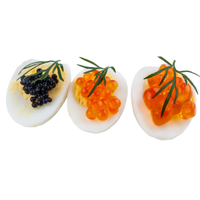
- Sturgeon egg
A large fish egg, processed into caviar for food.
- Cod egg
A tiny floating egg laid by cod in seawater.
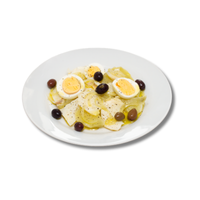
- Herring egg
A small egg laid in massive numbers by herring.

- Sardine egg
A microscopic egg laid by sardines in open water.
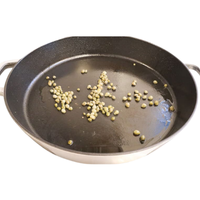
- Anchovy egg
A transparent egg laid by anchovies, floating freely in the ocean.
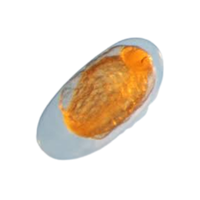
- Mackerel egg
A floating egg laid by mackerel, developing in seawater.
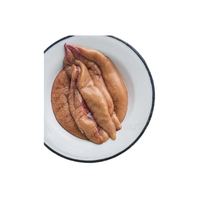
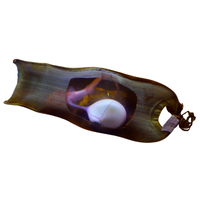
- Shark egg
A tough, leathery egg case laid by some shark species.
Common Types of Eggs with Names in English
Most Common Types of Egg Names
- Ray egg
- Skate egg
- Octopus egg
- Squid egg
- Cuttlefish egg
- Crab egg
- Lobster egg
- Shrimp egg
- Prawn egg
- Oyster egg
- Mussel egg
- Clam egg
- Scallop egg
- Snail egg
- Slug egg
- Ant egg
- Bee egg
- Wasp egg
- Butterfly egg
- Moth egg
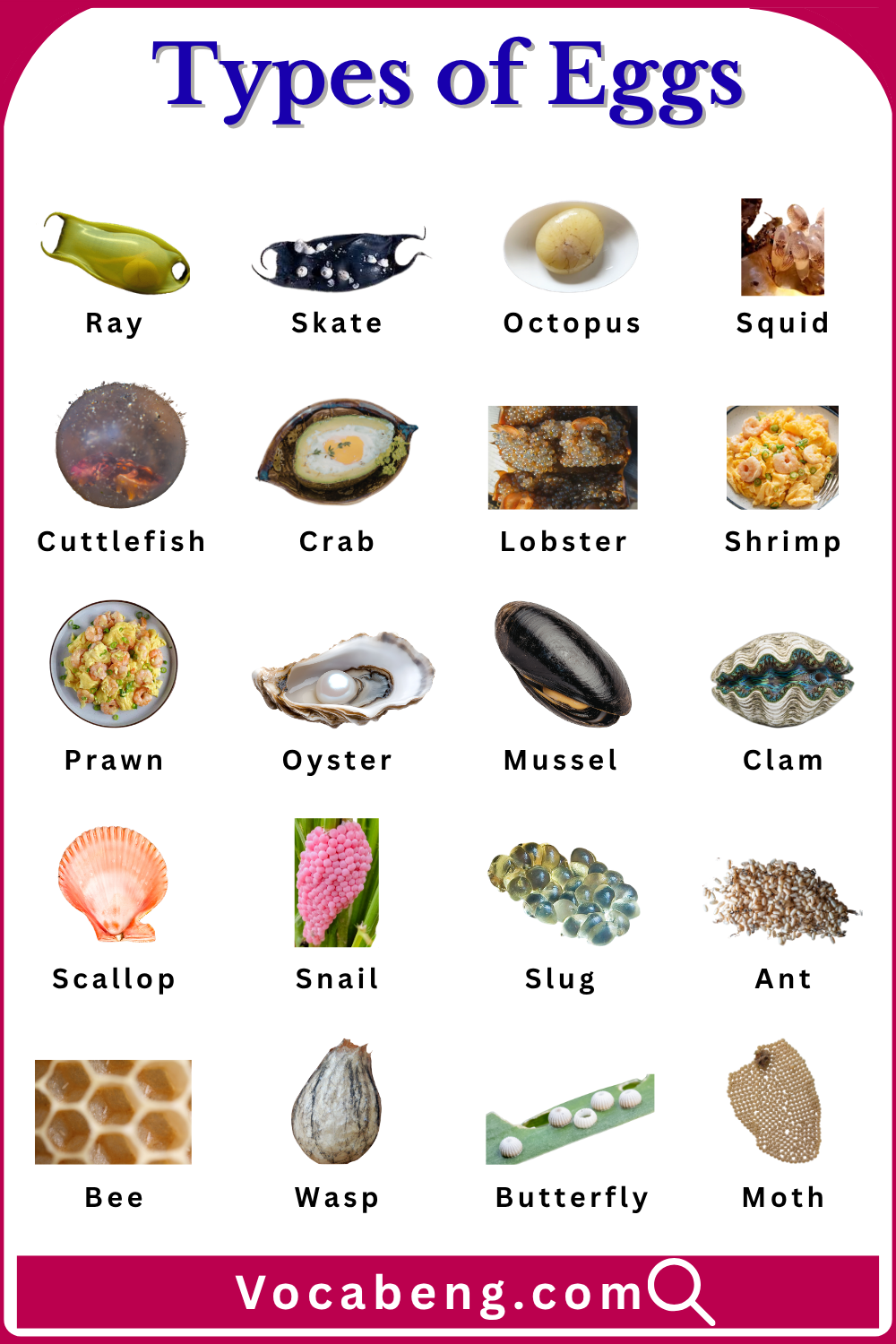
20 Varieties of Eggs Name with their Pictures
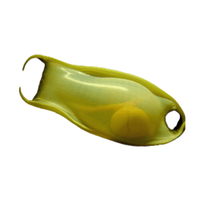
- Ray egg
A flat, leathery egg often called a mermaid’s purse.
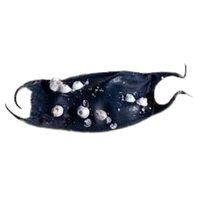
- Skate egg
A hard egg case laid by skates, commonly washed ashore.
- Octopus egg
A soft egg laid in clusters and guarded by the mother.
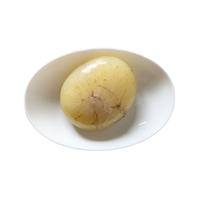
- Squid egg
A capsule-shaped egg laid in clusters underwater.
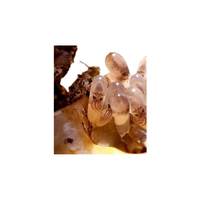
- Cuttlefish egg
A dark, grape-like egg cluster laid on the seabed.
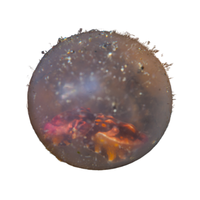
- Crab egg
Tiny eggs carried under a female crab’s abdomen.
- Lobster egg
Small eggs attached to the female lobster until hatching.
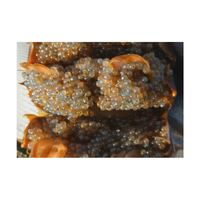
- Shrimp egg
Microscopic eggs released into water by shrimp.
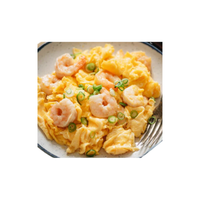
- Prawn egg
Tiny eggs carried or released by prawns in water.
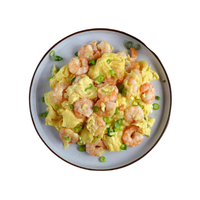
- Oyster egg
A microscopic egg released into water during spawning.

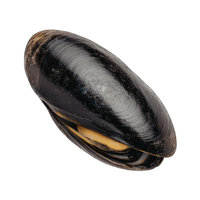
- Mussel egg
A tiny egg released into water, later becoming larvae.
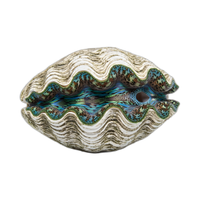
- Clam egg
A small egg released freely into seawater.
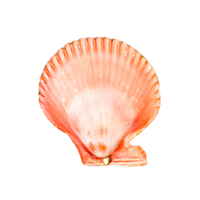
- Scallop egg
A floating egg released during spawning seasons.
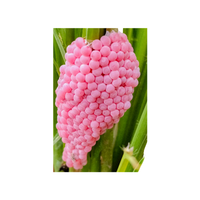
- Snail egg
A soft, round egg laid in moist soil.
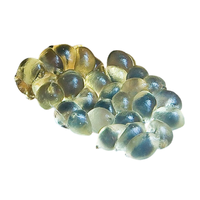
- Slug egg
A clear, jelly-like egg laid in damp environments.
- Ant egg
A small white egg laid by the ant queen.
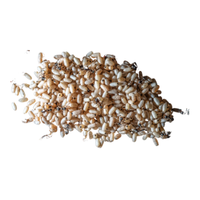
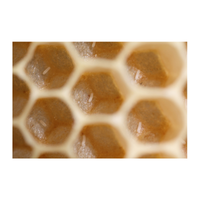
- Bee egg
A tiny egg laid by a queen bee in honeycomb cells.
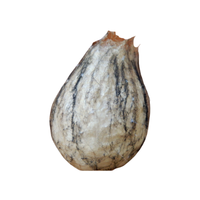
- Wasp egg
A small egg laid inside nests or hosts.
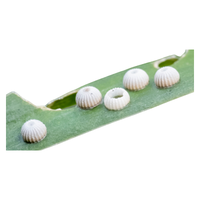
- Butterfly egg
A tiny egg laid on plant leaves for caterpillars.
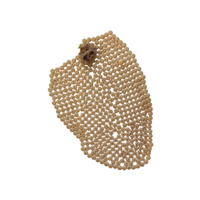
- Moth egg
A small egg laid on surfaces near food sources.
20 Varieties of Eggs Name with their Pictures
Names List of Eggs in English
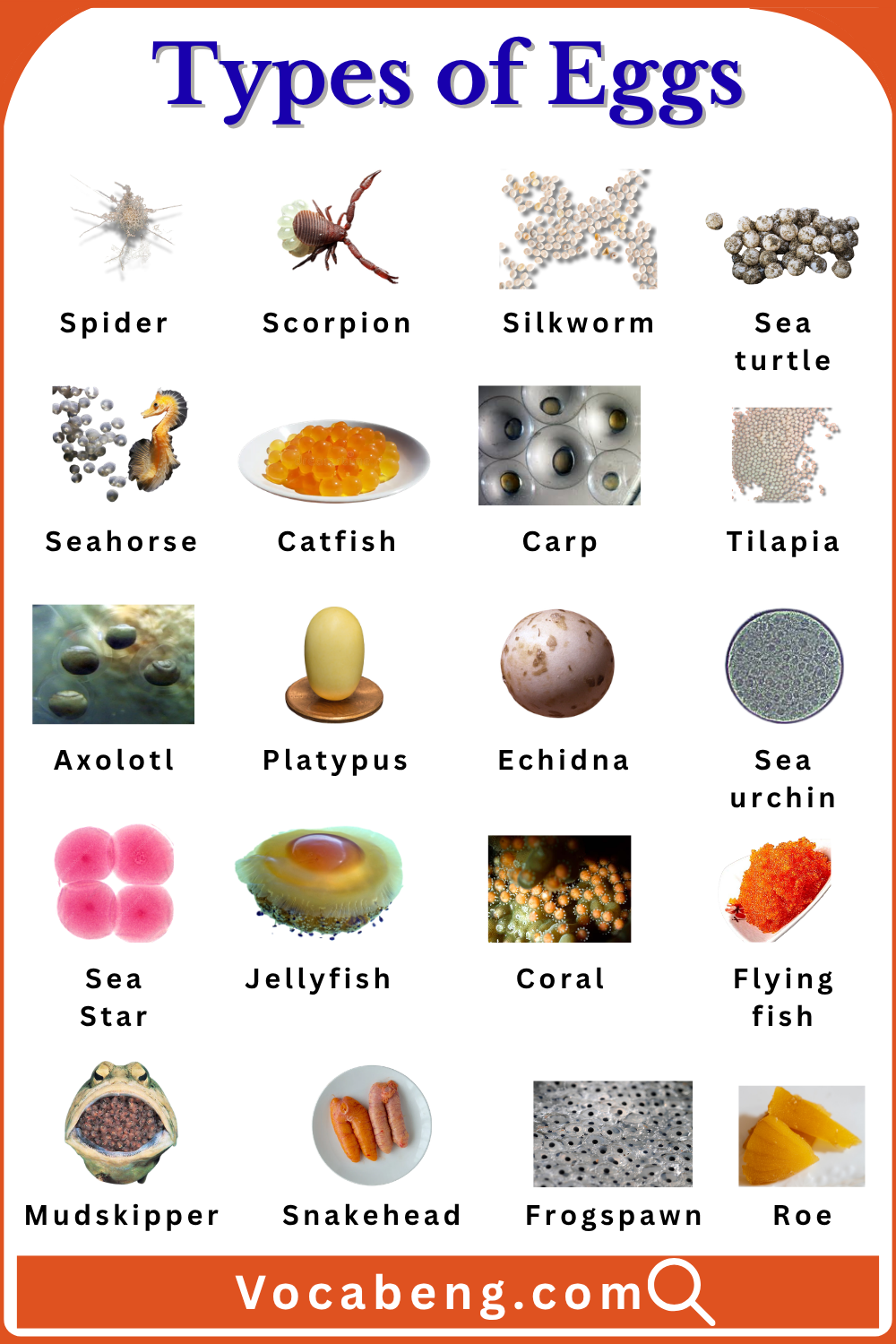
- Spider egg
- Scorpion egg
- Silkworm egg
- Sea turtle egg
- Seahorse egg
- Catfish egg
- Carp egg
- Tilapia egg
- Axolotl egg
- Platypus egg
- Echidna egg
- Sea urchin egg
- Sea star egg
- Jellyfish egg
- Coral egg
- Flying fish egg
- Mudskipper egg
- Snakehead egg
- Frogspawn egg
- Roe
Unique Egg Names in English and Pictures
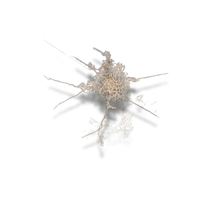
- Spider egg
Many eggs wrapped together in a silk egg sac.
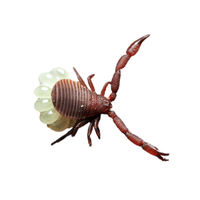
- Scorpion egg
Eggs that develop inside the mother before birth.
- Silkworm egg
A tiny egg laid by silkworm moths, used in silk production.

- Sea turtle egg
A soft-shelled egg buried in beach sand.
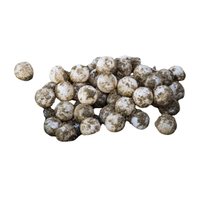
- Seahorse egg
Eggs placed by females into the male’s brood pouch.
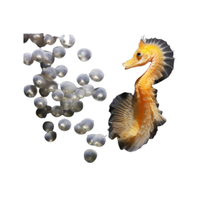
- Catfish egg
Sticky eggs laid on surfaces underwater.
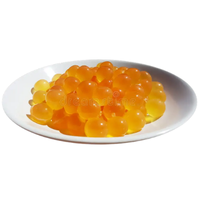
- Carp egg
Small adhesive eggs laid among plants.
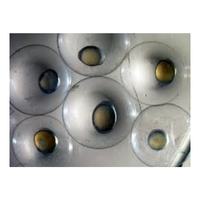
- Tilapia egg
Eggs carried in the female’s mouth for protection.
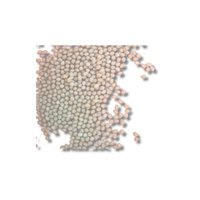
- Axolotl egg
A jelly-like egg attached to plants underwater.
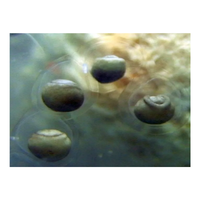
- Platypus egg
A leathery egg laid by platypus in burrows.
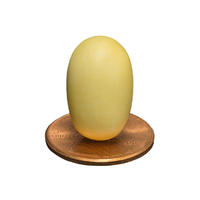
- Echidna egg
A soft egg laid into a temporary pouch.
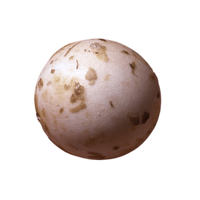
- Sea urchin egg
Microscopic eggs released into seawater.

- Sea star egg
Tiny eggs released into the ocean during spawning.
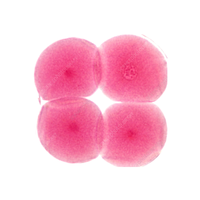
- Jellyfish egg
A microscopic egg developing into free-swimming larvae.
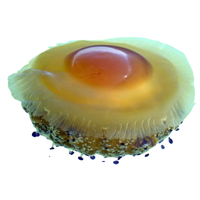
- Coral egg
Eggs released in synchronized mass spawning events.
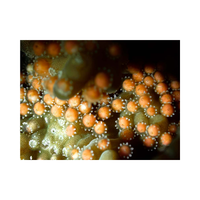
- Flying fish egg
Sticky eggs attached to floating objects.
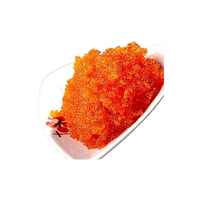
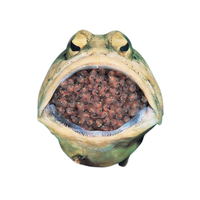
- Mudskipper egg
Eggs laid in burrows filled with air pockets.
- Snakehead egg
Floating eggs guarded by parent fish.

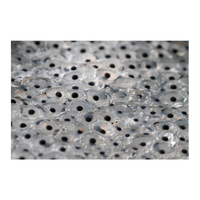
- Frogspawn egg
A mass of jelly-covered frog eggs floating in water.
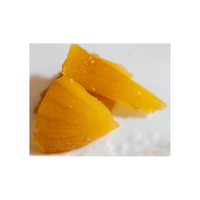
- Roe
A general term for edible fish eggs, commonly used as food.
Unique Egg Names in English and Pictures
Most Popular Edible Eggs
Chicken Egg
The chicken egg is the most widely eaten egg in the world. It is affordable, nutritious, and used in thousands of recipes.
Common uses:
- Boiled eggs
- Fried eggs
- Omelets
- Cakes
- Cookies
- Bread
- Desserts
Duck Egg
Duck eggs are larger than chicken eggs and have richer yolks. Many bakers prefer them because they make cakes and pastries softer.
Characteristics:
- Larger size
- Thick shell
- Rich flavor
- Higher fat content
Quail Egg
Quail eggs are very small but highly nutritious. They are popular in salads, snacks, and Asian dishes.
Characteristics:
- Small size
- Brown-spotted shell
- Mild flavor
- Soft texture
Goose Egg
Goose eggs are much larger than chicken eggs and contain more yolk.
They are suitable for baking and feeding several people with one egg.
Turkey Egg
Turkey eggs are nutritious but less common because turkeys are mainly raised for meat rather than egg production.
Ostrich Egg
An ostrich egg is the largest bird egg in the world.
One ostrich egg can weigh around 1.5 kilograms and is equal to nearly 20–24 chicken eggs.
Emu Egg
Emu eggs are famous for their beautiful dark green shells. Their thick shells are often used in decorative artwork after the egg is emptied.
Types of Eggs Based on Farming Methods
Besides the bird species, eggs are also classified by how hens are raised.
| Type | Meaning |
|---|---|
| Free-Range Eggs | Eggs from hens that can move outdoors. |
| Cage-Free Eggs | Eggs from hens kept indoors without cages. |
| Organic Eggs | Eggs from hens fed organic food without synthetic chemicals. |
| Pasture-Raised Eggs | Eggs from hens that spend most of their time on pasture. |
| Conventional Eggs | Eggs produced in standard commercial farms. |
Types of Eggs by Shell Color
Eggshell color depends on the breed of the bird.
White Eggs
Produced by many white-feathered chicken breeds.
Brown Eggs
Produced by many brown-feathered chicken breeds.
Blue Eggs
Laid by breeds such as Araucana and Ameraucana chickens.
Green Eggs
Produced by some mixed chicken breeds.
Important: Shell color does not significantly change the nutritional value of the egg.
Nutritional Value of Eggs
Eggs are considered one of the most nutritious foods.
They provide:
- High-quality protein
- Healthy fats
- Vitamin A
- Vitamin D
- Vitamin B12
- Riboflavin
- Selenium
- Iron
- Phosphorus
- Choline
These nutrients support muscle growth, brain function, healthy bones, and overall body health.
Common Uses of Eggs
Eggs are used in many ways around the world.
Cooking
- Boiled eggs
- Fried eggs
- Scrambled eggs
- Omelets
- Curries
Baking
Eggs improve the texture and structure of baked foods.
Examples include:
- Cakes
- Muffins
- Cookies
- Bread
- Brownies
Food Production
Eggs are also used in:
- Mayonnaise
- Custards
- Ice cream
- Pasta
- Sauces
Difference Between Common Egg Types
| Egg Type | Size | Flavor | Most Common Use |
|---|---|---|---|
| Chicken Egg | Medium | Mild | Everyday cooking |
| Duck Egg | Large | Rich | Baking |
| Quail Egg | Small | Mild | Salads and snacks |
| Goose Egg | Very Large | Rich | Baking |
| Turkey Egg | Large | Mild | Cooking |
| Ostrich Egg | Extra Large | Mild | Special occasions |
| Emu Egg | Very Large | Rich | Cooking and decoration |
Interesting Facts About Eggs
- The ostrich egg is the largest bird egg in the world.
- Quail eggs cook much faster than chicken eggs.
- Eggshell color depends on the bird’s breed.
- Fresh eggs usually sink in water, while old eggs float.
- Most edible eggs contain complete protein.
- The yolk contains most of the vitamins and healthy fats.
- Eggs are used in cuisines across almost every country.
English Vocabulary Related to Eggs
| Word | Meaning |
|---|---|
| Eggshell | The hard outer covering of an egg. |
| Yolk | The yellow center of an egg. |
| Albumen (Egg White) | The clear liquid part surrounding the yolk. |
| Hatch | To come out of an egg. |
| Nest | A place where birds lay eggs. |
| Incubation | The process of keeping eggs warm until they hatch. |
Learn More Helpful Articles