An airplane is made up of many important parts that work together to help it fly safely and efficiently. Each part has a specific function, from providing lift and control to carrying passengers and cargo. Learning the parts of a plane with names in English and pictures helps students, children, and English learners improve their vocabulary while understanding the basic structure of an aircraft. In this article, you will learn the names of the main airplane parts with simple explanations and clear pictures, making it easy to identify, remember, and understand the purpose of each component.
Parts of Plane with Names list
- Fuselage
- Cockpit
- Nose
- Wing
- Winglet
- Aileron
- Flap
- Slat
- Spoiler
- Engine
- Jet intake
- Exhaust nozzle
- Propeller
- Landing gear
- Wheel
- Tire
- Brake
- Strut
- Tail
- Vertical stabilizer
Common Parts of Plane with their Names and Pictures
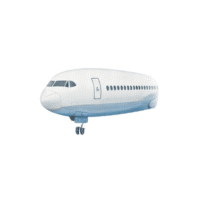
- Fuselage
Main body of the airplane that holds passengers, crew, cargo, and important systems, connecting wings, tail, and cockpit into one strong structure.
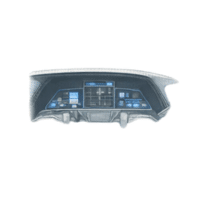
- Cockpit
Front control area where pilots sit, containing flight controls, instruments, and displays used to operate, navigate, and monitor the aircraft safely.
- Nose
Front section of the airplane that improves aerodynamics and often houses radar, sensors, or avionics equipment.

- Wing
Large flat surface that creates lift when air flows over it, allowing the airplane to rise, stay airborne, and support flight.
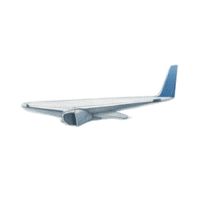
- Winglet
Small vertical extension at the wing tip that reduces air drag, improves fuel efficiency, and enhances overall flight performance.
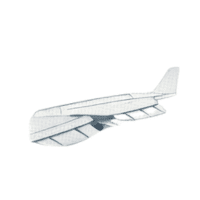
- Aileron
Movable control surface on the wing that helps the aircraft roll left or right, enabling smooth turning during flight.

- Flap
Adjustable wing surface that increases lift and drag, used during takeoff and landing to allow slower, safer speeds.
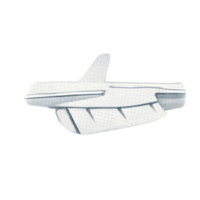
- Slat
Leading-edge wing device that improves airflow at low speeds, helping prevent stalling during takeoff and landing.
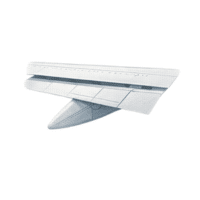
- Spoiler
Panel on the wing that reduces lift and increases drag, used to slow the airplane or assist braking after landing.
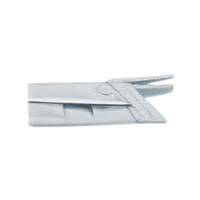
- Engine
Power unit that produces thrust, pushing the airplane forward so wings can generate lift for flight.
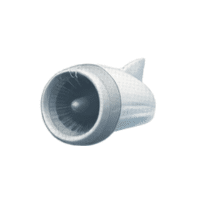
- Jet intake
Opening that draws air into a jet engine, supplying oxygen needed for combustion and thrust generation.

- Exhaust nozzle
Rear engine outlet that directs high-speed gases backward, creating forward thrust according to action and reaction.

- Propeller
Rotating blades that pull or push air backward, creating thrust for propeller-driven aircraft.
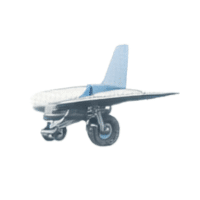
- Landing gear
Support structure with wheels that allows the airplane to take off, land, and move safely on the ground.

- Wheel
Circular component of landing gear that rolls on runways, supporting aircraft weight during ground movement.
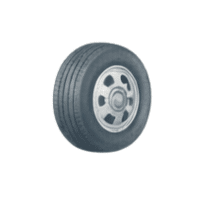
- Tire
Rubber covering on aircraft wheels that absorbs impact, provides grip, and ensures smooth landings.

- Brake
System that slows or stops wheel rotation after landing, helping the airplane reduce speed safely.
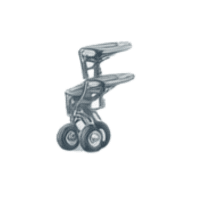
- Strut
Strong support part of landing gear that absorbs shock and supports aircraft weight during landing.
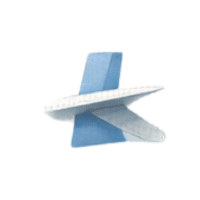
- Tail
Rear section of the airplane that provides stability and control during flight.

- Vertical stabilizer
Upright tail fin that keeps the airplane stable and prevents unwanted side-to-side movement.


Common Parts of Plane with their Names and Pictures
Explore Plane parts and Name
- Horizontal stabilizer
- Rudder
- Elevator
- Fin
- Cabin
- Passenger seat
- Overhead bin
- Window
- Door
- Emergency exit
- Fuel tank
- Fuel line
- Avionics bay
- Control panel
- Instrument cluster
- Radar dome
- Antenna
- Pitot tube
- Navigation light
- Oxygen mask
Plane Parts Names in English with there Pictures
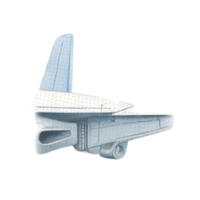
- Horizontal stabilizer
Flat tail surface that provides pitch stability, helping the airplane stay level and balanced during climbing, cruising, and descending flight.
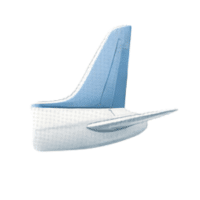
- Rudder
Movable vertical tail surface that controls left and right yaw, allowing coordinated turns and directional stability.
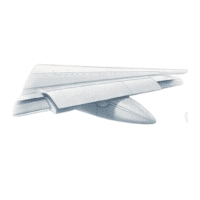
- Elevator
Hinged control surface on the horizontal stabilizer that moves up or down to control the airplane’s nose position.
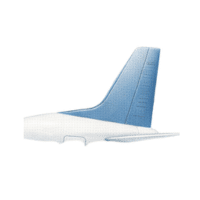
- Fin
Fixed vertical tail structure that supports the rudder and keeps the aircraft stable against sideways motion.
- Cabin
Enclosed interior space where passengers travel, designed for comfort, safety, and controlled air pressure during flight.
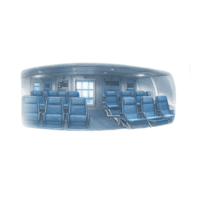
- Passenger seat
Individual seating unit secured to the cabin floor, providing support, safety restraints, and comfort for travelers.

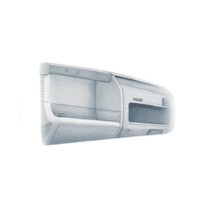
- Overhead bin
Storage compartment above passenger seats used to hold carry-on luggage and personal items securely.
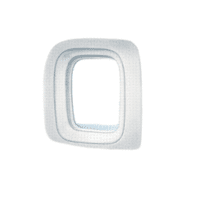
- Window
Strong transparent opening that allows passengers to see outside while maintaining cabin pressure and safety.
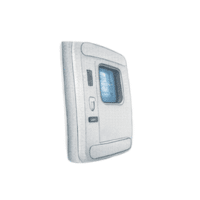
- Door
Sealed entry and exit opening used for boarding, unloading, and emergency evacuation when needed.
- Emergency exit
Specially designed door or hatch that allows fast passenger evacuation during emergencies.

- Fuel tank
Container that safely stores aviation fuel, usually located in wings or fuselage.

- Fuel line
Pipe or tube that carries fuel from tanks to engines in a controlled and safe manner.

- Avionics bay
Compartment that houses electronic systems like navigation, communication, and flight control equipment.

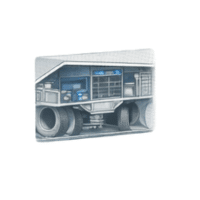
- Control panel
Pilot interface area containing switches, knobs, and buttons to manage aircraft systems.
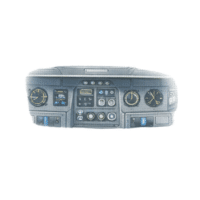
- Instrument cluster
Group of flight instruments that display speed, altitude, direction, and engine information to pilots.
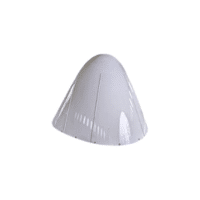
- Radar dome
Protective nose covering that houses weather radar, helping pilots detect storms and obstacles.
- Antenna
Device mounted on the aircraft that sends and receives communication and navigation signals.

- Pitot tube
Small external tube that measures air pressure to calculate the aircraft’s airspeed.

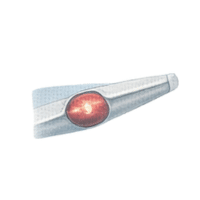
- Navigation light
Colored exterior lights that indicate aircraft position and direction, especially during night flights.
- Oxygen mask
Safety device that supplies breathable oxygen to passengers and crew during low-pressure emergencies.

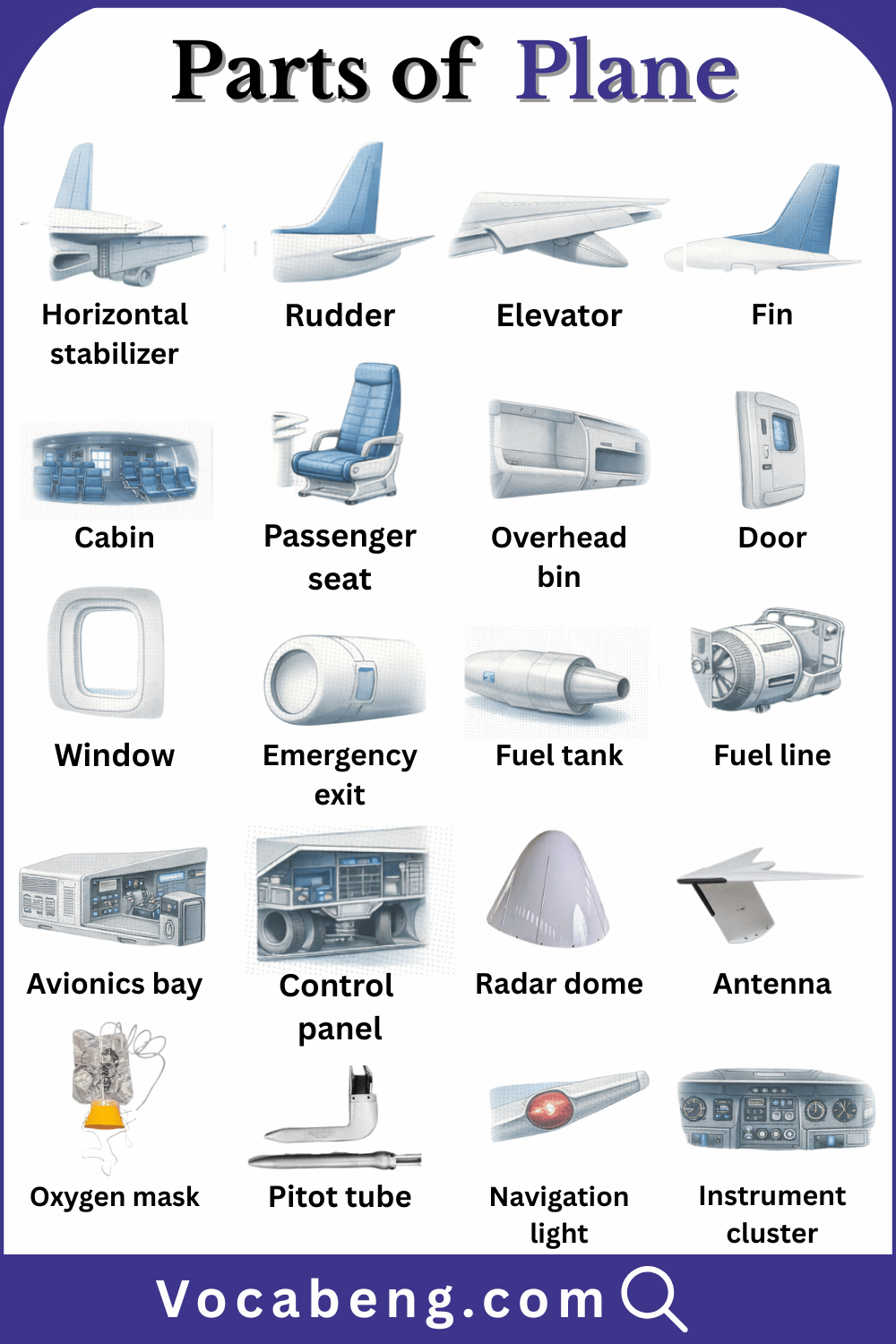
Plane Parts Names in English with there Pictures
Learn More Helpful Articles